



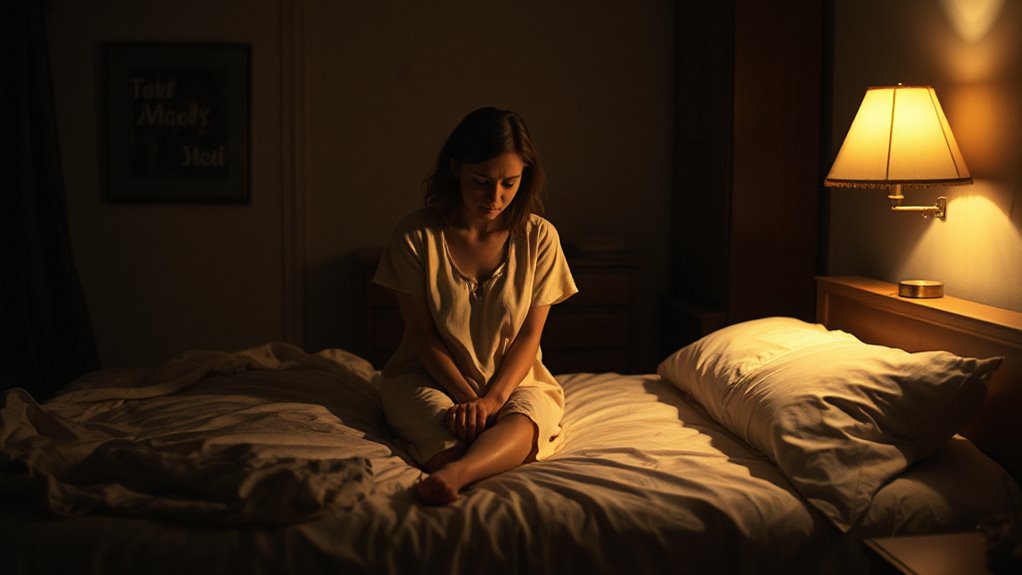
What Happens to Hormones in Your 40s?
The 40s are not the beginning of the end, but the body does start sending some unmistakable signals.
Perimenopause typically begins mid-decade, and the hormonal picture gets complicated fast.
Perimenopause doesn’t wait for permission. It arrives mid-40s and immediately makes the hormonal landscape unrecognizable.
Estrogen stops behaving predictably—it spikes, drops, then spikes again.
Progesterone starts declining even earlier, often in the late 30s, leaving estrogen without its usual counterbalance.
FSH climbs as the brain pushes the ovaries harder, demanding more output from a system with less to give.
Cycles grow irregular.
Symptoms feel random because the hormones actually are random.
None of this is dramatic.
It is just biology doing what biology does.
For most women, this transitional phase lasts an average of three to four years, though it can stretch to nearly a decade.
Irregular or skipped periods are often the first sign that this transition has begun.
Because fertility changes during this time, the monthly fertile window still exists but chances of conception decline with age.
Why Vaginal Dryness and Pain Kill Your Sex Life
For women in their 40s, sex can start to feel less like pleasure and more like a problem to manage. Dropping estrogen thins vaginal tissue, cuts natural lubrication, and turns penetration into something that burns or tears.
Nearly two-thirds of women in menopausal-age studies report dryness, and over half report pain. That is not a minor nuisance.
The cycle is brutal: dryness causes pain, pain kills desire, and avoidance makes everything worse. Symptoms rarely fix themselves. They tend to compound.
Recognizing what is actually happening physically is step one, because effective treatments exist and waiting only makes the damage harder to reverse. Regular medical checkups help catch related health issues early and connect patients with appropriate therapies. Research evaluating these treatments follows structured systematic review methodology, comparing hormonal, non-hormonal, and energy-based interventions to determine what actually works.
In one large prospective study, vaginal dryness prevalence rose from roughly 19 percent in early midlife to 34 percent by the late fifties and sixties, with the most rapid rise around the final menstrual period.
How Hot Flashes and Sleep Loss Crush Your Sex Drive
Vaginal dryness gets most of the attention, but hot flashes and wrecked sleep are quietly doing just as much damage to a woman’s sex life.
Hot flashes alone accounted for over 27% of nighttime wakefulness in perimenopausal women.
Chronic sleep loss tanks desire, satisfaction, and arousal—fast.
- Hot flashes directly fragment sleep, creating a cycle of fatigue that kills sexual interest
- Sleeping five hours or less is statistically linked to lower sexual satisfaction
- Insomnia triggers stress responses that crowd out erotic focus entirely
Bad sleep isn’t just exhausting.
It rewires how women experience intimacy altogether. Falling progesterone levels weaken the brain’s sedative drive, making it harder to fall and stay asleep in the first place. In a study of over 93,000 postmenopausal women, higher insomnia scores were directly associated with lower odds of sexual satisfaction. Couples who face disrupted sleep often need to discuss expectations about intimacy and rest to prevent resentment.
Why Your Sex Drive Disappears in Perimenopause
Perimenopause doesn’t just quietly lower the volume on a woman’s sex drive—it rewires the whole system.
Estrogen gets erratic, then drops.
Testosterone fades too.
Together, they gut arousal pathways, reduce genital blood flow, and make the body less responsive.
Spontaneous desire—that out-of-nowhere urge—often disappears entirely.
What replaces it is context-dependent desire, meaning nothing happens without the right conditions and direct stimulation.
Add vaginal dryness, painful sex, and unpredictable hormones, and the body starts associating sex with discomfort.
That kills interest fast.
This isn’t a motivation problem.
It’s a biology problem.
And biology problems have real solutions.
Medications like antidepressants, along with other medical conditions, can interfere with sexual function and pile onto the hormonal disruption already underway.
Vasomotor symptoms disrupt sleep in up to 60% of perimenopausal women, and poor sleep reduces desire in ways that compound every other hormonal shift already happening.
Regular exercise and lifestyle changes can help improve blood flow, mood, and sexual function, supporting other treatments.
How Relationship Stress Piles Onto Menopause Sex Changes
Menopause doesn’t arrive alone—it usually shows up right in the middle of a life already under pressure.
Menopause rarely arrives quietly—it shows up when life is already full and something has to give.
Relationship stress doesn’t politely wait its turn.
It stacks directly on top of hormonal shifts, sleep problems, and physical discomfort, making everything harder to manage.
- Unhappy marriages are linked to worse menopausal symptoms, not just worse moods
- A partner’s sexual changes can create painful mismatches that breed resentment
- Conflict, financial stress, and caregiving responsibilities all suppress sexual desire
Relationship health may actually matter more than hormones for some women.
That’s not a small detail—that’s the whole story.
Sleep disruption is the most commonly cited contributor to negative relationship changes since entering perimenopause, reported by nearly half of partnered midlife women.
Among postmenopausal women, depression was found to be the strongest predictor of sexual dysfunction, outweighing stress and anxiety as a driver of declining sexual function.
Many women who are ready to work on relationship issues show clear emotional readiness and are better positioned to improve sexual wellbeing.