


Why Hating Your City Doesn’t Kill Your Dating Life
Plenty of people despise the city they live in—the traffic, the weather, the vibe—and still manage to build active dating lives anyway.
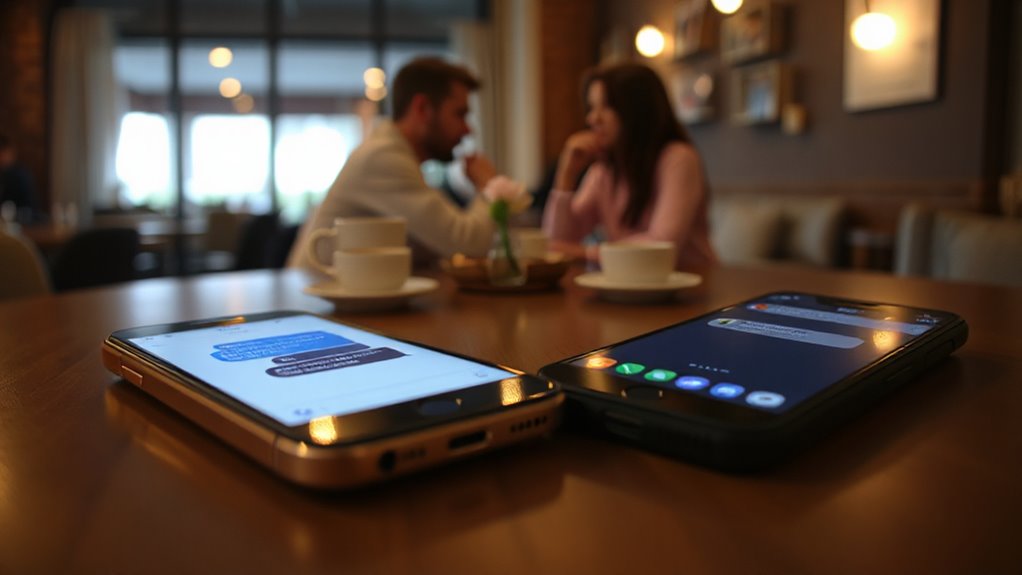
Turns out, location hate doesn’t translate to romantic drought. Forty percent of urban dwellers report serious city dissatisfaction, yet dating app usage stays strong at 30% weekly. Apps don’t care about someone’s beef with their ZIP code. Algorithms prioritize compatibility over geography, boosting success rates by 20% even in places people can’t stand. Hating local weather or culture affects 35% of residents, yet date frequency doesn’t drop. Online dating usage statistics show consistent engagement even among dissatisfied residents.
The city’s vibe is irrelevant. Mindset isn’t. Relationships can form and thrive even when someone arrives in a new city reluctantly, as illustrated by meeting a partner just five months after moving to an unwanted location.
Does Having a Partner Actually Change Whether You Should Leave?
So a relationship enters the picture, and suddenly the city question gets complicated. Having a partner doesn’t automatically make a miserable city tolerable.
Resentment builds fast when someone moves purely for another person and never builds their own life there. That’s a recipe for bitterness, not romance.
The real question isn’t whether the relationship is worth it—it’s whether the city is livable independent of the partner. If the honest answer is no, love won’t fix that.
A good relationship needs two grounded people, not one happy person dragging along someone who secretly hates where they live. Relocation can trigger real stress and anxiety, and research even links moving to depression and anxiety that compound an already difficult adjustment. Experts recommend regular discussion of concerns and future plans so that resentment doesn’t quietly take root before it becomes impossible to address. Couples who experience major life changes should also be prepared for the challenges of rebuilding trust over time after betrayals or breaches of expectation.
How to Date Well in a City You Don’t Love
Staying in a city that grinds on a person’s nerves doesn’t mean the dating life has to suffer for it. Join a gym, a trivia league, or a dog park. Recurring faces become familiar fast. Hit local bars, festivals, and museums solo. Organic meetings happen when someone actually shows up. Use dating apps with the location dialed in. Ask new coworkers or friends for setups. Accept every reasonable introduction. Keep the first dates simple—parks, low noise, real conversation. People with at least one close relationship experience higher life satisfaction, so prioritize building connections even while you wait out the move.
Being the newcomer is an advantage, not a liability. Use it. The city is temporary. The connections might not be. Mention newcomer status in dating profiles to attract partners who are willing to show the area and make the adjustment feel less isolating. Apps like Tinder and Hinge allow location setting changes to browse profiles and connect with people before even arriving somewhere new.