





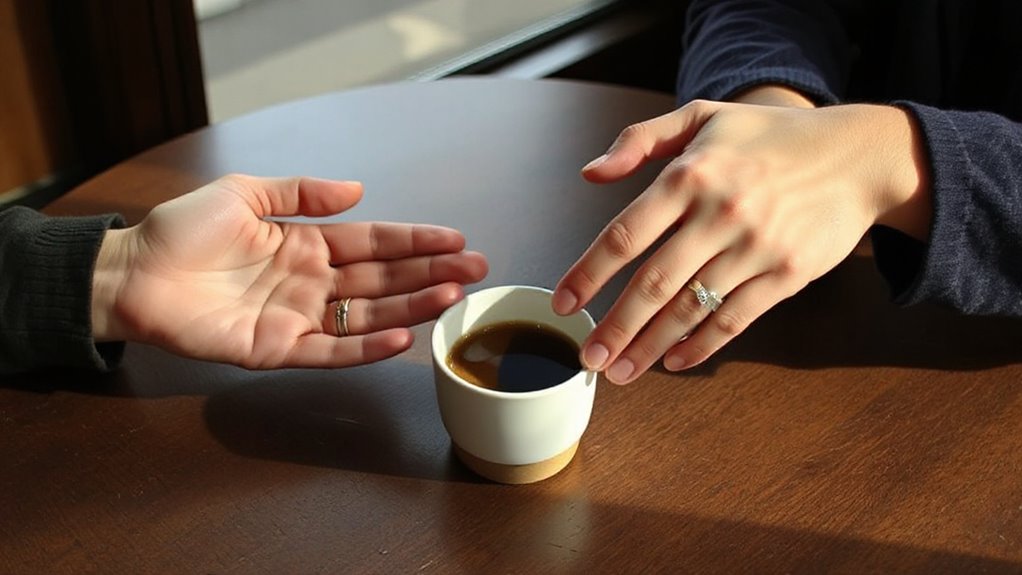



Why Your Brain Reads Effort as Insecurity
When a man tries too hard to impress a woman, his brain isn’t the only one working overtime—hers is too, and it’s not impressed.
The female brain treats mismatched effort as a warning signal.
When his attention feels uncalibrated to her actual interest level, something registers as off.
Excessive eagerness reads less like confidence and more like fear of rejection.
Research backs this up: overdisplaying interest signals dependency, not security.
The brain isn’t cruel—it’s just pattern-matching.
And the pattern it sees? Someone seeking approval instead of offering value.
That distinction matters more than most men realize. Studies show women are more likely than men to choose a secure, less attractive partner over an insecure one with standout physical appeal. This is because women tend to evaluate partners as a whole, weighing security as part of an overall package assessment that includes warmth and relational functioning.
Familiarity and repeated positive experiences also shift perceptions over time, so mere exposure can deepen attraction rather than initial flashes of effort.
Why Overly Polished Dating Profiles Backfire
The same instinct that pushes men to over-perform in person shows up just as clearly in their dating profiles—and it backfires just as hard.
Research confirms that overly polished profiles get read as strategic, not sincere.
Polished profiles don’t signal effort—they signal strategy, and women can tell the difference.
Women aren’t impressed; they’re suspicious.
Studies show that authenticity consistently outperforms perfection when it comes to trust and attraction.
Profiles heavy on curated highlights signal impression management instead of genuine interest.
Worse, highly polished presentations often make viewers assume the guy wants something casual, not serious.
A few real, slightly imperfect details? That builds more connection than a flawless highlight reel ever will.
Some profiles go beyond highlighting strengths—they feature photos that portray traits the person doesn’t actually possess but believes others desire, a pattern researchers call photo-to-self mismatch.
One study found that men driven by insecurity-based misrepresentation goals were more likely to craft profiles that masked their true personality rather than attracting genuinely compatible matches.
Updating photos and bio content regularly also boosts engagement, since current photos signal activity and authenticity.
How Trying Too Hard to Impress Kills Chemistry on a Date
What kills chemistry on a date isn’t bad breath or awkward silences—it’s the performance.
When a man arrives rehearsed, optimized, and laser-focused on impressing, the whole interaction stiffens.
Women pick up on that immediately.
It stops feeling like a conversation and starts feeling like a pitch meeting.
Research backs this up: hypermanaged presentation creates expectations that real-life interaction simply can’t match.
Chemistry depends on live moments, not polished delivery.
When everything feels scripted, spontaneity dies.
The fix isn’t charm school—it’s less control.
Show up present, not perfect.
Studies on impression management in dating found that strategic self-presentation actually increased most when partners showed only moderate interest, suggesting men calibrate their performance to perceived opportunity rather than genuine connection.
Mutual engagement beats a highlight reel every single time.
Flirtation often depends on subtle behavioral patterns like tone and proximity, so overperforming can drown out the real signals that build attraction.
Confidence Attracts, but Desperation Repels
Killing the chemistry with a scripted performance is bad enough—but there’s a deeper problem underneath it.
Desperation. It doesn’t show up wearing a sign, but women feel it.
Constant approval-seeking turns a date into an audition nobody asked for.
It signals fear, not interest.
Confidence works because it communicates something simple: *I’m interested, but I’m not desperate for your approval.*
That distinction matters.
A calm, grounded man leaves room for genuine connection.
A desperate one fills every gap with noise.
Confidence keeps both people choosing freely.
Desperation makes one person feel responsible for managing the other’s emotional state.
Big difference.
Pretending to like what she likes or performing emotions rather than expressing them honestly creates doubt about authenticity.
Once a woman senses show-off intent, her interest drops regardless of how impressive the gestures actually are.
Dating involves frequent small rejections like ghosting, so pacing yourself and building resilience matters, and understanding rejection as information helps keep perspective.
What Actually Builds Attraction Instead
So if trying too hard kills attraction, what actually builds it?
Proximity, consistency, and showing up without an agenda.
Research points to shared values, genuine warmth, and reciprocal interest as the real drivers.
Not grand gestures.
Not a rehearsed personality.
Women respond to men who listen, engage honestly, and make interaction feel easy rather than transactional.
Mutual self-disclosure builds more connection than any performance.
Humor helps.
Relaxed confidence helps more.
The formula isn’t complicated—be someone she actually enjoys talking to, show real interest without desperation, and let familiarity do its quiet, underrated work. Studies show that mere exposure effect increases positive feelings toward someone the more they are encountered over time. Research also shows that smiling and eye contact primarily function to build trust and rapport rather than direct attraction, making them powerful tools in early interactions. Building emotional intimacy requires consistent effort and genuine vulnerability over time.