
Why Dating Apps Feel Like a Second Job
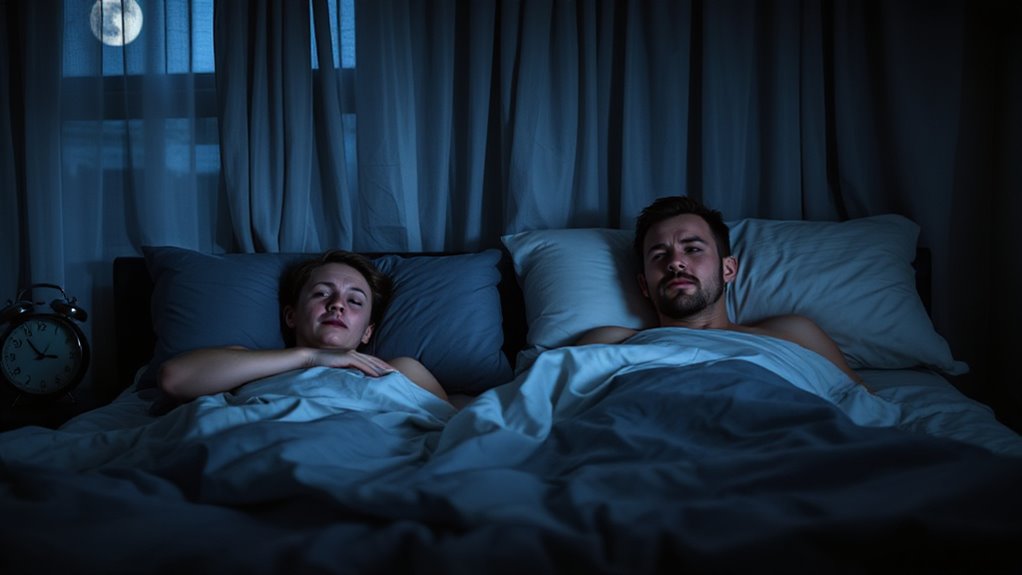
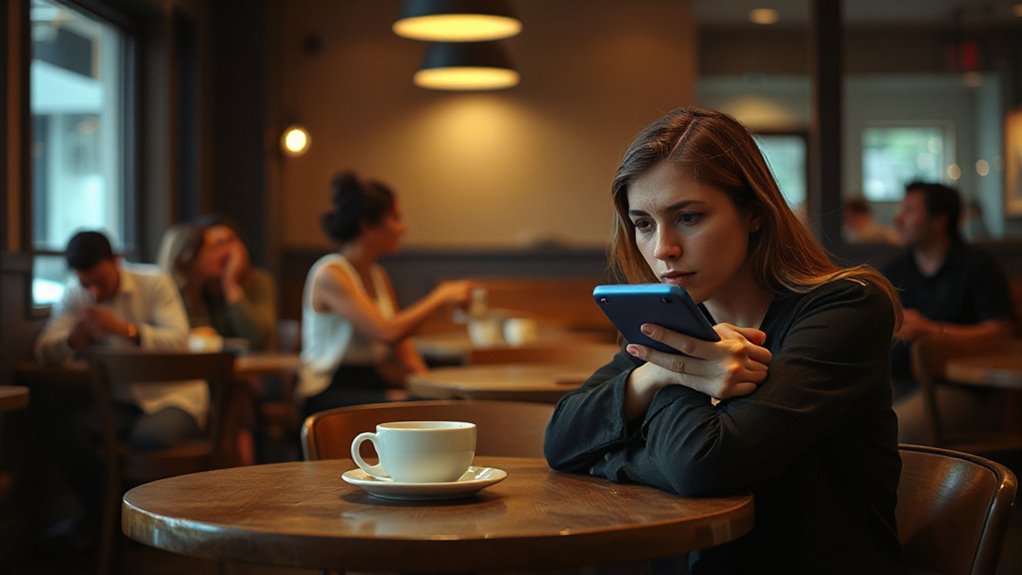
Dating apps were supposed to make meeting people easier, but somewhere along the way they turned into a part-time job nobody applied for.
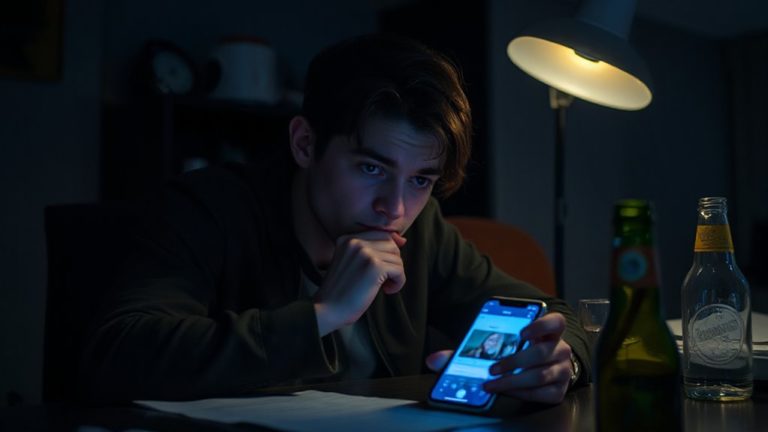
Every match kicks off a new task. Reply, follow up, keep the conversation alive long enough to actually meet.
Dead-end chats pile up like unread emails.
New conversations demand fresh energy every single time.
It stops feeling like dating and starts feeling like inbox triage.
The searching is only half of it.
Sustaining momentum until someone agrees to meet is its own exhausting project.
No wonder people burn out.
The work never really stops. A bottomless pool of profiles traps users in a loop of dead-end conversations, forgettable dates, and starting over from scratch.
Users are spending 51 minutes a day swiping, the equivalent of a full workday every single week. This constant effort is intensified by the need to maintain responsive communication across many matches.
The Swipe Mechanic That Turns People Into Products
Swiping left or right sounds simple enough, but the mechanic itself is the problem.
The swipe UI was built for speed, not depth. Profiles appear one at a time, approved or rejected in under a second.
That deck-of-cards layout trains your brain to scan, not reflect. Repeat that action a few hundred times and something shifts.
The swipe interface doesn’t teach you to think. It teaches you to sort.
People start feeling like inventory.
Human traits get compared like product specs.
Attraction gets reduced to a binary.
The format doesn’t encourage curiosity about someone; it encourages verdict.
Fast appraisal becomes the habit.
Slow evaluation never gets a chance.
Research links this to real psychological cost: studies show that profile-first evaluation requires sub-second visual judgments repeated at high volume, increasing the risk of dehumanization by stripping away the voice, presence, and humor that physical-world attraction actually depends on.
Tinder has accumulated over 600 million downloads since its release, making it a cultural artifact that normalized this verdict-based interaction at a massive scale.
This rapid, surface-level processing undermines the role of familiarity and repeated contact in allowing attraction to evolve over time.
The Research on Dating App Burnout Is Bleak
Most people using dating apps feel burned out by them—and the research backs that up completely.
Two separate surveys found roughly 80% of users reported emotional exhaustion from swiping.
That’s not a niche problem.
That’s basically everyone.
The symptoms mirror workplace burnout: exhaustion, cynicism, and the creeping feeling that nothing is working.
A meta-analysis pulling 17 years of data found app users reported worse mental health than non-users—more depression, more anxiety, more loneliness.
Younger users get hit hardest, especially the 25–34 crowd.
Women report slightly higher burnout than men.
The feedback loop between distress and app use makes everything worse.
Research tracking users across 12 weeks found that emotional exhaustion and inefficacy both increased over time.
Despite all of this, 72% of people are still actively using these apps in search of long-term partnerships.
The industry’s growth and normalization of meeting online—with millions preferring algorithms to chance encounters—helps explain why many keep returning to apps despite burnout, especially among those who believe in algorithmic matching.
How Dating App Burnout Starts With the Match, Not the Swipe
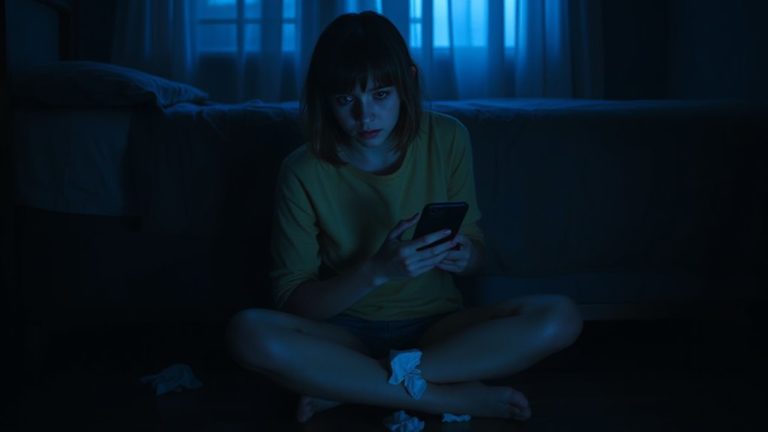
The match is supposed to feel like progress. Instead, it often marks the start of something worse. The silence after matching hits harder than rejection before it, because now there’s expectation involved.
Here’s where burnout actually begins:
- Nearly half of all messages sent to matches never get a reply
- Unanswered openers turn a positive signal into a stalled queue
- Repeated ghosting builds negative reinforcement fast
One bad interaction isn’t the problem. It’s the pattern. Match after match leading nowhere trains the brain to expect failure before the conversation even starts. The delete and redownload cycle has become a common response to this exhaustion, as users step away only to return and repeat the same experience. A 2022 US study found that four in five adults experienced some degree of emotional fatigue or burnout from online dating. Many people also experience rejection sensitivity that makes each no feel more consequential and accelerates burnout.
Why Deleting Dating Apps Is Becoming the Rational Choice
Quitting the apps isn’t giving up—it’s starting to look like the smarter move.
A 2026 survey found 58% of people deleted a dating app because it felt emotionally draining.
Average satisfaction scored 3.7 out of 10. That’s not a bad patch. That’s a broken system.
When 44% of users would rather meet someone in a low-pressure setting, the market has spoken.
Add in the scams, the unwanted messages, the endless repetitive texting, and staying starts to look irrational.
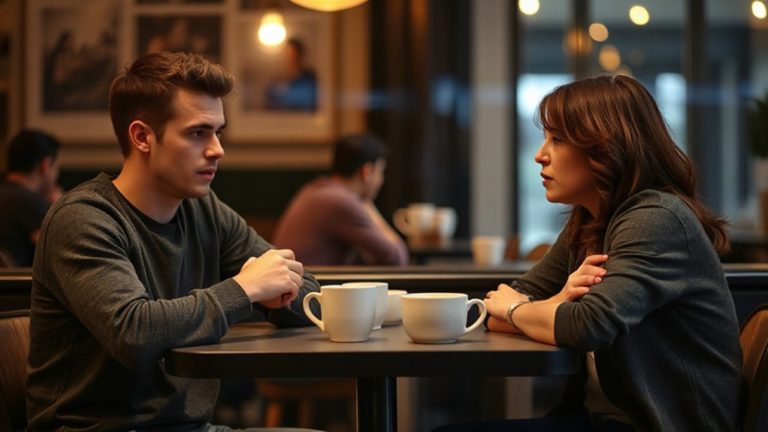
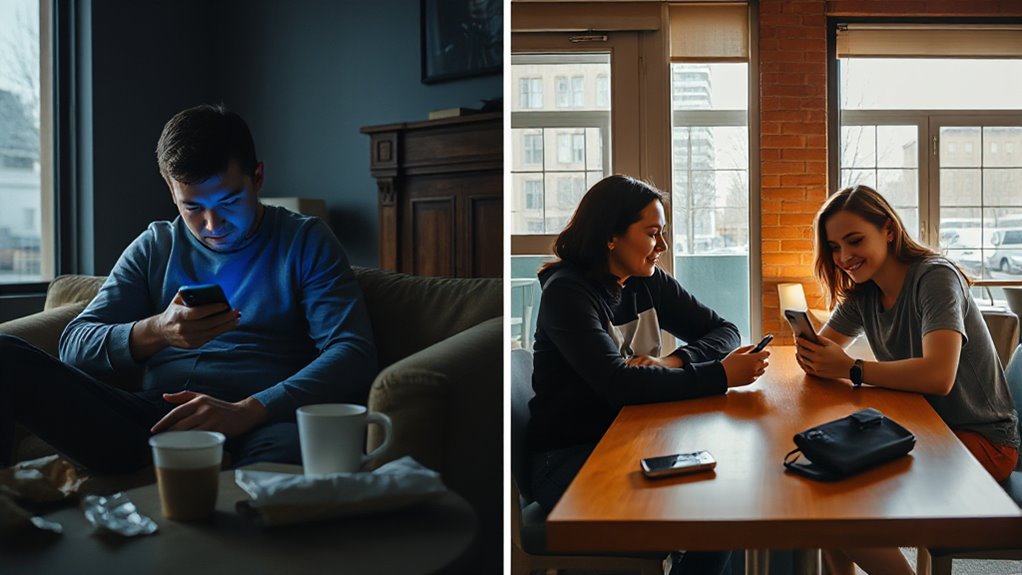
Deleting the apps, asking friends for introductions, showing up in real life—that’s not retreat. A longitudinal study found that emotional exhaustion and perceived inefficacy both increased over time among active dating-app users tracked across 12 weeks. That’s recalibration.
Deleting the apps isn’t giving up. It’s choosing a smarter, more human way to find connection.
Dating app burnout has reached a decade-high level, signaling that the frustration driving people off these platforms isn’t a personal failure—it’s a systemic one.
Many users also reported concerns about personal information exposure on these platforms, which only adds to the incentive to log off.