Why Dating Apps Make You Feel Invisible
Feeling invisible on a dating app is not a personal failing—it is often just math.
Algorithms rank profiles by activity and engagement, not by how genuinely interesting someone is.
New accounts get a short visibility boost, maybe 48 hours, then drop into the regular queue.
After that, highly active users crowd out everyone else.
Meanwhile, attention is scarce.
People swipe fast, decide faster, and most profiles never even get seen.
Add hard filters like age and distance, and whole categories of people become invisible to each other by default.
The app is not ignoring you.
It is just built that way.
For men, the odds are especially steep—on average, only about 7.5% of messages sent ever get a reply.
Some apps are starting to change that, with platforms like Gettit showing a response rate badge on every profile so you know before messaging whether someone is likely to reply at all.
Being cautious about personal information and keeping conversations on the app can also protect you while you navigate these dynamics.
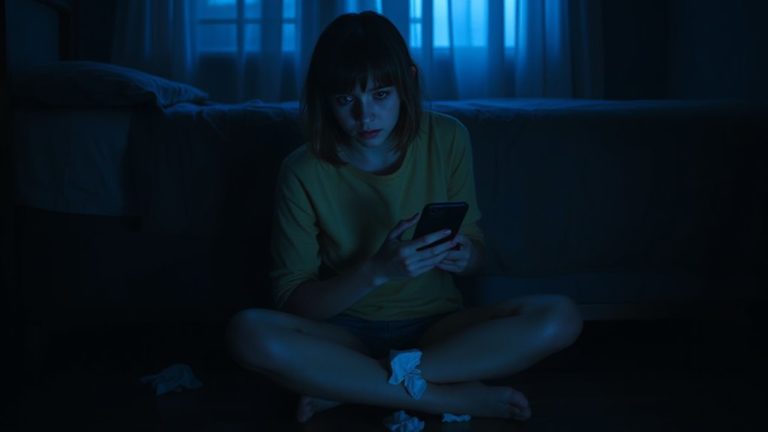
How Swiping Erodes Your Self-Worth Over Time
There is nothing wrong with wanting validation—everyone does. But swiping hands that need over to an algorithm. Every swipe becomes a tiny vote on a person’s worth.
Research backs this up: moving through large numbers of profiles actually lowers self-esteem. Unmatches threaten belonging, trigger rumination, and chip away at how valuable someone feels as a partner. Recent data show that for many people under 30, meeting partners online is common, which can intensify these dynamics for younger daters higher online use.
Swiping through profiles doesn’t just waste time—it quietly dismantles how worthy you feel of love.
Quick, gut-level swiping produces lower self-worth than slower, structured evaluation. Do it long enough, and the math feels personal. Physical attractiveness is the most predictive factor in swiping behavior, outweighing job status, biography, or perceived intelligence.
The app isn’t judging anyone—but the brain doesn’t know that. It just keeps score, and the score rarely feels good. A systematic review of 45 studies found that most reported negative effects on body image among dating app users.
What “Undateable” Actually Tells You About App Design
The damage to self-worth doesn’t happen in a vacuum—it happens inside a system built to keep people swiping, not succeeding.
Feeling undateable is often the system talking, not reality.
Apps are designed around engagement, not outcomes.
Unlimited profiles create overload.
Overload creates paralysis.
Paralysis feels personal, but it isn’t.
Algorithms decide who gets seen.
Some users stay invisible by design, not by deficiency.
The abundance model makes searching feel endless, which plants doubt after every dry spell.
Decision fatigue degrades the quality of choices, meaning users swiping through dozens of profiles make worse decisions the further they go.
Platforms offering daily limits and curated shortlists consistently outperform unlimited feeds precisely because constrained choice produces more satisfaction, not less.
Small, consistent habits like improving sleep and exercise can help restore a sense of agency and confidence.
How Dating Apps Make Loneliness Worse, Not Better
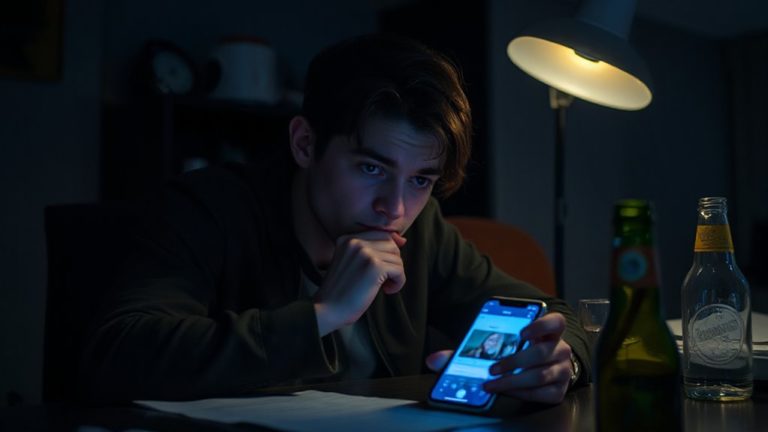
Most people download a dating app expecting to feel less alone. That’s not what the research shows happening.
A meta-analysis covering roughly 26,000 people found that dating app users consistently reported worse mental health than non-users—more depression, more anxiety, more loneliness. Not slightly worse. Far worse.
And heavier use made things worse, not better. More swiping didn’t produce more belonging. It produced more distress.
Multiple studies across different countries point the same direction. So the app isn’t just failing to fix loneliness—it’s actively feeding it. Younger users in some surveys report that AI tools often fail to substantially improve profiles or chats.
That’s worth sitting with before opening the app again tonight. People already struggling when they join are hit hardest, with research showing that pre-existing difficulties are exacerbated by app use and lead to faster burnout.
The research also found that outcomes varied depending on factors like platform type, relationship status, sexual orientation, and cultural context, suggesting the experience of harm is not uniform across all users.
How to Rebuild Your Self-Worth After Dating Apps
Rebuilding self-worth after heavy app use isn’t complicated, but it does require one uncomfortable admission: somewhere along the way, a person let their match rate become their report card. That’s a problem.
Likes don’t measure value. Neither do response rates. Real self-worth ties to skills, relationships, and roles that exist completely offline.
Likes don’t measure your worth. Neither does his reply rate. Real value lives entirely offline.
Stop checking notifications obsessively. Reduce swiping time. Building emotional resilience through offline routines helps reduce the sting of rejection.
Pick up something that has nothing to do with romantic approval.
Research confirms that stable routines and broader support networks actually buffer rejection’s sting. Among those seeking validation on apps, 42% report low trait self-esteem, suggesting the app was never the source of confidence to begin with.
The app isn’t the judge. Treating it like one is the whole mistake. Studies using ecological momentary assessment found that increased time on dating apps predicted higher craving, creating a feedback loop that pulls users back regardless of how the experience made them feel.