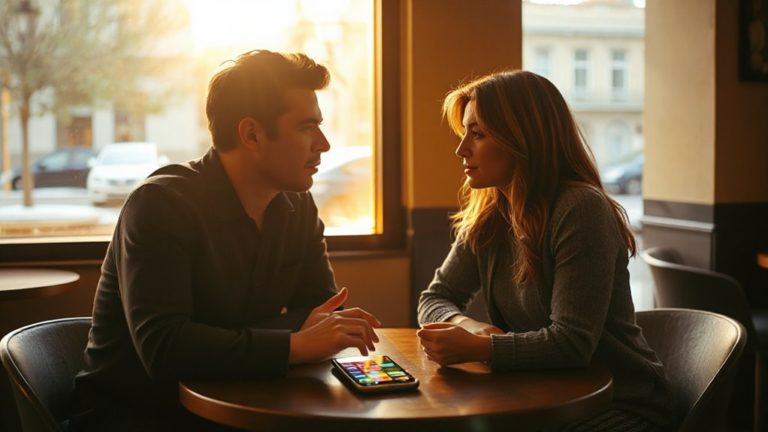




In the space between wanting a real partner and refusing to follow the old playbook, modern singles are carving out something new. They’re walking a tightrope—craving connection while rejecting the relationship templates their parents followed. It’s messy, it’s complicated, and it’s happening everywhere.
Modern singles crave deep connection but refuse outdated relationship rules—they’re rewriting commitment on their own terms.
Ninety percent of Coffee Meets Bagel users want serious relationships or marriage. At the same time, 48% of singles are open to parallel relationships that split physical and emotional needs between different people. That’s the paradox in action. People aren’t abandoning commitment—they’re rewriting what it looks like.
Gen Z and Millennials are leading this charge. Seventy-one percent aim to reinvent their dating lives entirely. They want depth, not surface-level swipes. Eighty-four percent of Gen Z seek deeper connections through new methods. They’re filtering for partners who’ve been to therapy, practicing “Truecasting” by being authentic on dates, and demanding emotional honesty upfront. No more guessing games.
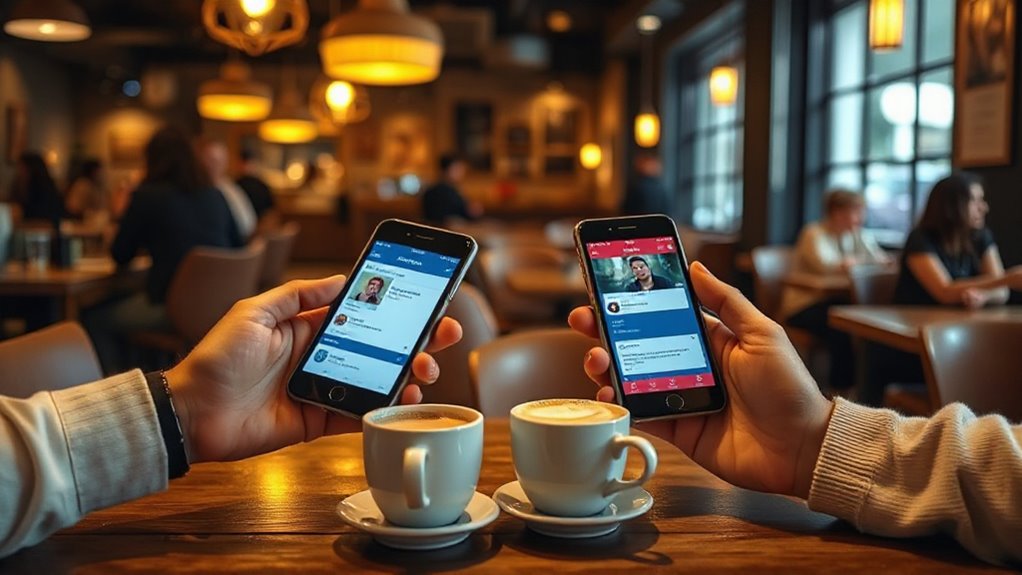
But here’s the twist: they’re also pulling back from traditional structures. Nearly half are open to arrangements that older generations might not recognize as “real” relationships. Sugar arrangements with clear boundaries, undefined partnerships, monogamy on their own terms—all of it counts if the expectations are crystal clear from the start. One in five young adults met their partners online, showing how central apps have become to modern partnering.
Meanwhile, older singles are rejecting unfulfilling partnerships too. Divorce rates for adults over 50 have doubled. They’re seeking second-chapter love with genuine affection, not just cohabitation. Longer lifespans mean nobody’s settling anymore.
The tools are changing too. Professional matchmaking is replacing endless app swiping. Group hangs and double dates are taking pressure off one-on-one dinners. Tinder’s Double Date feature attracts 90% of users under 30. Even dating has become a community activity, with friends weighing in through group chats and DatingTok. Singles are also expressing a desire for more empathy from potential partners, expecting listeners who remember details before commitment is even on the table. Users increasingly treat apps as high-value assets, prioritizing meaningful connections over collecting matches for validation.
What ties it all together? Emotional honesty. Zero tolerance for ghosting. Labeled intentions from day one. Singles are dropping rigid checklists but holding firm on transparency. They want partners who share values, timelines, and relationship goals upfront—even if those goals look nothing like convention.