


What Widowhood Loneliness Actually Does to You
Losing a spouse doesn’t just break a heart—it breaks down the body and mind in ways most people aren’t warned about.
Losing a spouse doesn’t just break a heart—it dismantles the body and mind from the inside out.
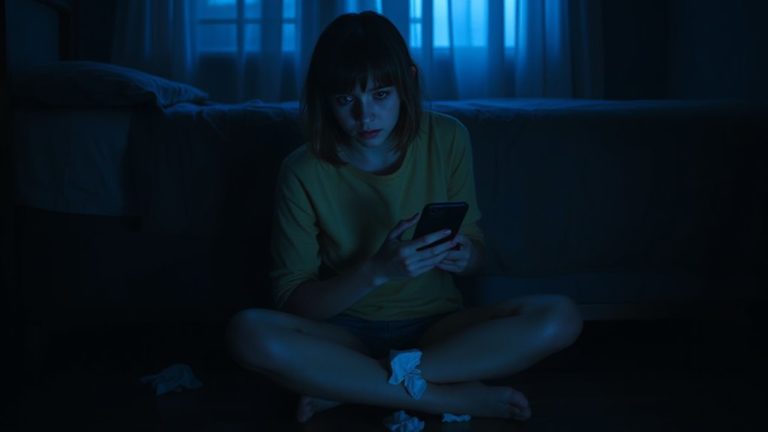
Widowhood ranks as the single greatest life crisis older adults face. Depression rates spike nearly nine times higher than in married peers. Loneliness surges almost universally, hitting women twice as hard, men three times harder, in year one.
And it lingers. Two years out, loneliness stays 50% higher for women. The body follows suit—dementia risk doubles, cardiovascular disease climbs, physical function declines.
This isn’t just grief. It’s a full-system shutdown nobody talks about honestly enough. Community and family social capital can buffer these psychological effects, offering widowed older adults a meaningful path toward stability and resilience. Trust recovery is often essential for rebuilding meaningful connections and support after such a loss.
Chronic loneliness carries consequences that extend well beyond emotional pain, with chronically lonely women found to be more than twice as likely to develop dementia.
The Hidden Pain of Living Without Someone Who Knew You
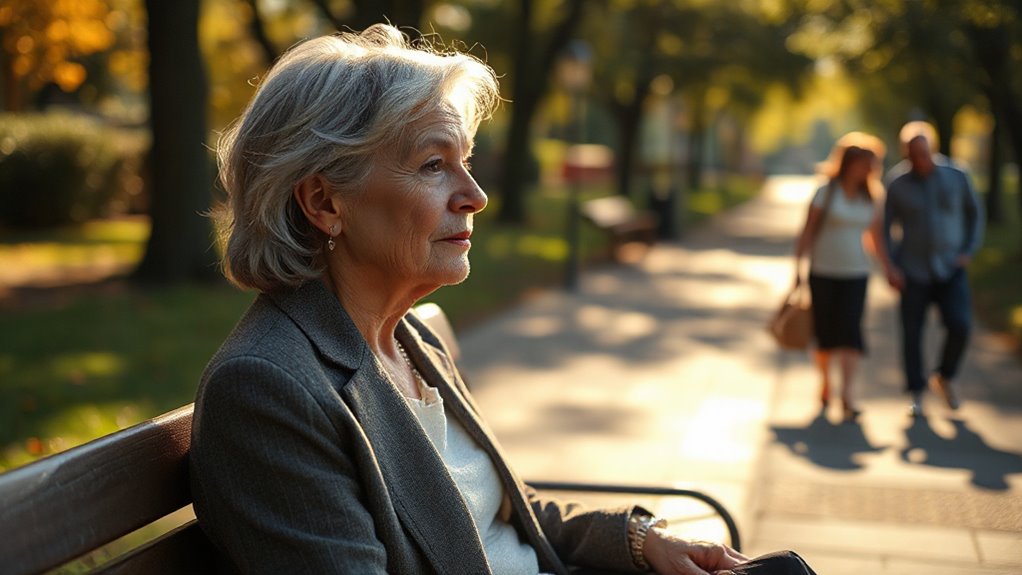
Not just your name. Your patterns, your quirks, your history. When that person dies, something invisible disappears with them. No one else holds that version of you anymore. Recovery often starts by reconnecting with supportive people and self-care practices, including rebuilding support.
Widowed women often hide this pain quietly, compensating through busyness, overeating, or simply being “easy” around others.
Why? Because admitting this grief feels illegitimate. Nobody hands out permission slips for mourning a witness.
But the absence is real, and pretending otherwise costs plenty. These compulsive distractions—busyness, food, social performance—can quietly replace awareness of the pain itself over time. This pain can also resurface unexpectedly at life milestones—graduations, anniversaries, becoming a grandparent—because grief revisits repeatedly across the lifespan long after the loss first occurred.
Small Steps That Genuinely Ease the Loneliness
Loneliness doesn’t evaporate; it responds to movement. Small, deliberate movement. Smiling at the barista. Attending one local meetup. Inviting an acquaintance to coffee. Sounds embarrassingly minor, right? It isn’t.
The brain locates what it prioritizes, so shifting focus toward connection—however tiny—actually rewires expectation. A hand on the chest, slow breath, one solo walk to somewhere familiar. These aren’t cures. They’re cracks in the wall. Start there.
Many widows lose approximately 75% of their social network within a year of a spouse’s death, which means rebuilding must be intentional, not accidental. Reaching out and joining community activities can reduce feelings of isolation by fostering new bonds and routines, especially when people are open to structured social groups.
Challenging the thought “I don’t belong” and replacing it with “I’m human and I belong here” is one of the most direct ways to stop loneliness from compounding itself.
How Widowed Women Build Connections That Actually Last
Somewhere between surviving the grief and actually rebuilding a life, widowed women face a quieter problem: the connections they manage to form don’t stick. Casual friendships fade. People stop calling. And one-on-one relationships buckle under pressure. Building emotional intimacy requires intentional vulnerability and time, and creating emotional safety in groups helps women open up authentically.
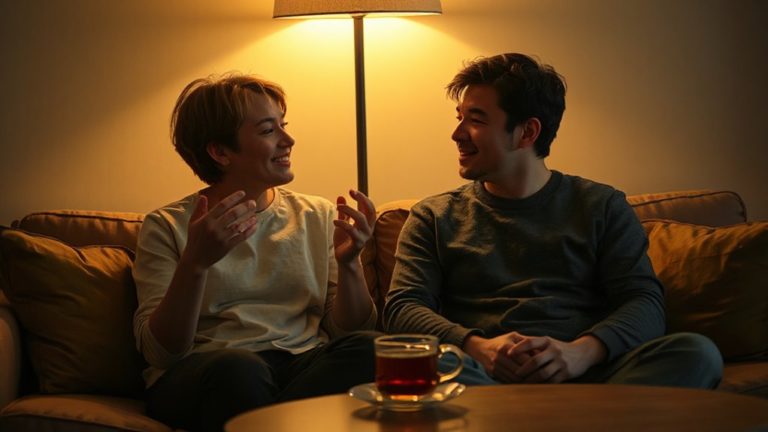
What actually works? Structure and consistency. Widow-specific communities eliminate exhausting explanations. Everyone already understands the terrain. Weekly video meetings, small-group breakouts, peer support threads between sessions—these create rhythm. Rhythm creates trust. Trust creates something real. Programs like the Joyful Widows Collective run for six months and include twenty group sessions, giving connections genuine time to take root.
Multiple connections matter, too. Leaning entirely on one person is a setup for disappointment. Spread it out. Show up regularly. That’s how lasting bonds actually form. Resources like the Widow Empowerment Quiz help women identify where they are in the process and match them with the right communities and support from the start.
Why Grief Makes It Hard to Let Anyone Close Again
Grief doesn’t just hurt—it rewires how a person relates to everyone around them.
Many widowed women unconsciously believe that letting go of pain means abandoning their partner. So they hold on. The suffering becomes the connection.
Meanwhile, the mind builds walls, quiet and efficient, pushing people away before anyone gets too close. This withdrawal can mirror patterns seen when someone isn’t emotionally ready to date again, prolonging isolation and hesitation to reconnect.
Friends pull back too, uncomfortable, unsure what to say, accidentally creating distance when presence was what mattered. So isolation compounds.
And here’s the brutal irony: the very love that made her who she is now makes trusting anyone new feel almost impossible. Grief can also resurface without warning, waxing and waning across the years in ways that make healing feel like starting over each time.
Partners, too, may quietly disappear, interpreting withdrawal and mood shifts as a permanent personality change rather than a natural response to devastating loss.