


Why So Many Senior Men End Up Alone
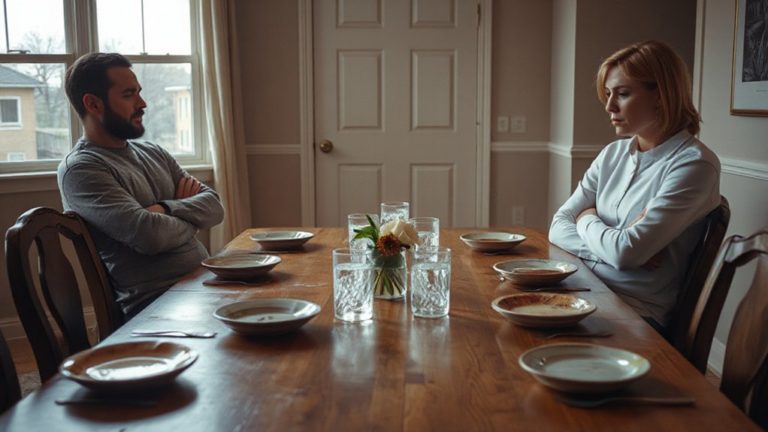
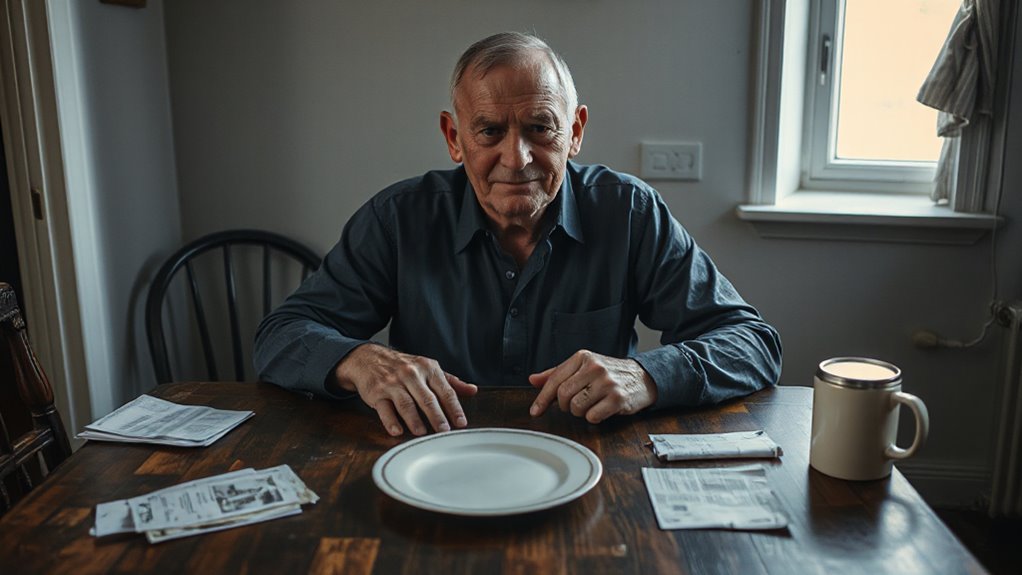
Many senior men don’t end up alone by accident—they get there gradually, one quiet decision at a time.
A divorce happens.
A divorce happens. Not with a dramatic finish, but with paperwork, silence, and an empty side of the bed.
A long partnership ends.
Suddenly, solo life becomes the default, and nobody pushes back hard enough to change it.
Emotional exhaustion from past relationships makes starting over feel pointless.
Why repeat something painful?
So they don’t.
Routines get comfortable.
Independence feels easier than compromise.
Years pass.
What started as a reasonable break becomes a permanent arrangement nobody consciously chose.
That’s the part worth paying attention to—most of these men didn’t decide to be alone.
Seeking professional help can change that trajectory and improve chances of rebuilding trust and connection.
The Health Risks of Social Isolation in Older Men
Staying single and staying isolated aren’t the same thing, but for a lot of older men, they travel together. And that combination is quietly dangerous.
Social isolation raises the risk of heart disease, stroke, dementia, and early death. Not marginally—one analysis found a 26% higher risk of dying overall. Another found isolated older adults lost nearly 70 days of life on average.
The immune system weakens. Inflammation climbs. The brain starts slipping.
Loneliness also raises risks for depression and anxiety. Research tracking older adults over seven years found that loneliness lost significance as a mortality predictor once baseline mental and physical health were accounted for.
Nobody’s saying a man needs a wife to survive. But he does need people. That part isn’t optional. Engaging in meaningful activities with others has been linked to longer life and improved mood. A significant portion of people also carry relationship baggage from past connections, which can make forming new social ties harder.
What Loneliness Does to the Heart and Brain
Behind the vague feeling of being lonely, there’s actual biology happening—and it’s not subtle.
Research links loneliness to a 29% higher risk of heart attack and a 32% higher stroke risk. That’s not a rounding error.
Loneliness raises heart attack risk by 29% and stroke risk by 32%. The body keeps score.
Chronic loneliness activates the stress system—sympathetic nervous system, cortisol spikes, inflammation—and the damage accumulates quietly. Broken heart syndrome can also arise from intense emotional stress and directly injure the heart.
The brain takes hits too.
The amygdala stays on high alert. Threat detection ramps up. Positive social signals barely register.
Over time, cognitive decline accelerates. For men already living with coronary heart disease, loneliness makes the prognosis even worse—including higher risk of recurrent stroke and early death.
Studies on socially isolated animals show greater atherosclerotic lesion areas compared to group-housed animals, even when plasma lipid concentrations remain unchanged.
How Senior Men Living Alone Can Rebuild Social Connection
The good news is that isolation isn’t a life sentence.
Senior men living alone can rebuild social connection through small, deliberate steps.
Start with one daily check-in—a text, call, or quick conversation with a cashier. Regular check-ins build habits that lead to deeper bonds and reduce feelings of loneliness.
Video chat keeps faces connected when distance is a problem.
Volunteer work creates structure and genuine relationships, not just small talk.
Walking clubs, senior center programs, and library classes put men around people with shared interests.
Schedule something social every single day, even something brief.
Put it on the calendar.
Treat it like a doctor’s appointment.
Because honestly, it matters just as much.
Research consistently links strong social bonds to profound improvements in health and longevity, making connection one of the most powerful tools available to older men living alone.
For older adults who need additional support, the Eldercare Locator connects people to trusted local resources, state and local agencies on aging, and community-based organizations by calling 800-677-1116.
Why Living Alone Can Also Drain Your Finances
Living alone costs more than most men expect, and the math doesn’t care about their feelings.
Every bill lands on one income. Rent, utilities, groceries, broadband — nobody splits anything.
Research shows solo renters can pay over $10,000 extra annually compared to shared households.
Singles spend roughly 28% more on food and 22% more on core essentials.
Utilities run 32% higher per person when unshared.
The result? People living alone spend 92% of disposable income just covering basics.
That leaves almost nothing for emergencies, repairs, or savings.
One unexpected expense and the whole financial picture gets ugly fast. In the UK, almost 8 million people face this same financial squeeze living on their own.
Financial guidance sites can sometimes be inaccessible due to Cloudflare security protections blocking users before they can access money-saving resources.
Many seniors also face increased vulnerability to online scams, so it’s important to protect personal information and accounts to avoid financial loss.