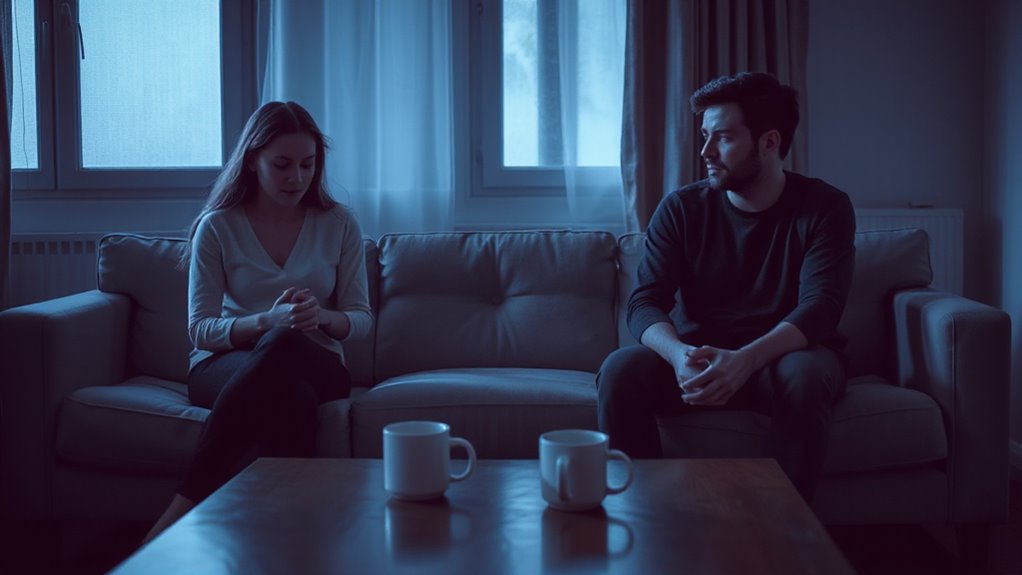


Proving your worth in dating backfires because trying hard to look confident reads as doubt. Confidence behaviors that actually build dating attraction are quieter: staying curious, stating preferences once, and sharing in proportion. People who keep chasing self-worth validation tend to signal uncertainty, while calm presence signals value.
Why Proving Your Worth Kills Attraction
Trying hard to look worthy is the fastest way to look like you doubt it. Across six studies, high self-esteem targets were rated more attractive and more desirable as partners than low self-esteem ones. Confidence reads as value, while overt proof reads as repair work, and people notice when someone chases reassurance.
Constant self-justification also shifts the focus from mutual fit to acceptance. Dating becomes status management instead of connection, and authenticity drops. So what does the person who keeps proving themselves actually signal? Uncertainty.
Secure people don’t audition for approval. They show up, stay curious, and let consistent presence do the work.
How Proving Yourself Comes Across as Needy
Proving yourself reads as needy because it tells the other person that their reaction decides how you feel about yourself. That’s pressure, and they feel it the moment you do. It usually shows up in three ways:
- Over-explaining, as if every single choice needs a defense.
- Over-texting, because silence feels like a final verdict.
- Over-trying, with jokes and polished stories built to impress.
Each move says, “I need a response to feel okay.” Desire becomes need, and the interaction carries too much weight. Obvious neediness can be an instant turn-off that short-circuits a connection before it even starts.
Fear of rejection looks like desperation, not confidence. Neediness often grows from suppressed needs, since a real need that gets pushed down tends to come out later as manipulative, punishing, or passive aggressive behavior.
The fix is to express yourself instead of auditioning. Want them, don’t need them. Small, consistent self-care and confident body language, like good posture, help shift need into authentic presence.
Why Over-Polished Dating Profiles Feel Fake
The same auditioning instinct that ruins a conversation also ruins a dating profile. When every photo is flawless and every line optimized, readers notice. Research links authenticity to realism and consistency, while “overly perfect” photos trigger skepticism. Studies of queer women on dating apps similarly find that building a profile means negotiating between authentic self-expression and strategic impression management.
A profile that looks like one photoshoot reads like a curated persona, not a person. Bios written like marketing copy sound like a brand pitch. Research on Tinder shows that users often choose pictures validated on social media, such as those with many Facebook likes or approved by friends, which can push profiles toward a uniform polish. That polish also raises doubts about who actually wrote the profile.
Small imperfections build trust: a candid photo, an ordinary detail, a specific quirk. Nobody swipes right on a press release. People want someone real, not just a highlight reel. Newer evidence even suggests that profiles with short bios receive significantly more matches than those without.
Where Honest Sharing Becomes Oversharing
Honesty works in dating until it turns into a data dump. Moderate sharing wins because mystery still matters, and too much too soon feels like pressure, not intimacy. Research on online dating profiles found that moderate self-disclosure attracted potential partners more effectively than very high self-disclosure.
Before hitting send, check three things:
- Stage: Does the topic fit how well you know each other?
- Purpose: Does it add clarity, or just vent?
- Readiness: Has the listener shown interest and left room to respond?
Trauma on date one is too much. Listeners end up as unpaid therapists, pushed to reciprocate without consenting. Profiles with very little information can also backfire, since sparse profiles often suggest low effort, guardedness, or limited interest in commitment.
Chasing relief or validation isn’t connection. Share what’s specific, relevant, and proportionate, and save the rest for trust. A consistent positive mindset and self-worth work can reduce the urge to overshare and strengthen attraction.
How to Show Confidence Without Proving Your Worth
Confidence isn’t a résumé, and nobody falls for a person who recites theirs. State preferences directly, then stop arguing for them. Mention an accomplishment once, briefly, and hand the spotlight back.
Ask real questions, because people who ask more get liked more. When you’re curious about the whole person, you’re less likely to chase the feeling of being chosen and more likely to know whether you actually like them.
Body language matters too. Relaxed posture and a steady tone say more than any justification. Messaging at the right times and referencing profile details can also boost engagement, especially on Sunday evenings.
If approval doesn’t arrive right away, sit with the uncertainty. Chasing admiration looks like need, while calm looks like value. Research suggests that people who are overconfident come across as more confident but also as more arrogant, so the two effects tend to cancel out romantically.
How to Stop Proving Your Worth in Dating
- State a preference once, then stop defending it.
- Mention an accomplishment briefly and hand the spotlight back.
- Ask real questions and stay curious about the whole person.
- Check stage, purpose and readiness before sharing something personal.
- Keep your profile specific and slightly imperfect: a candid photo, a short bio, a real quirk.
- When silence or uncertainty shows up, sit with it instead of texting or explaining more.
Common Questions About Proving Your Worth in Dating
Is it bad to mention my achievements on a date?
No. Mention an accomplishment once, briefly, and then hand the spotlight back. Reciting a list of them is what turns confidence into a résumé.
What should I do if I don’t get a reply right away?
Sit with the uncertainty instead of over-texting or over-explaining. Chasing approval looks like need, while calm looks like value.
Can being too confident hurt my chances?
It can. People who are overconfident come across as more confident but also as more arrogant. Pairing confidence with real curiosity about the other person works better than confidence alone.
Staying Curious Instead of Auditioning
Attraction grows when the other person can tell you aren’t waiting on their verdict. Next time you feel the urge to justify or impress, ask a question instead.