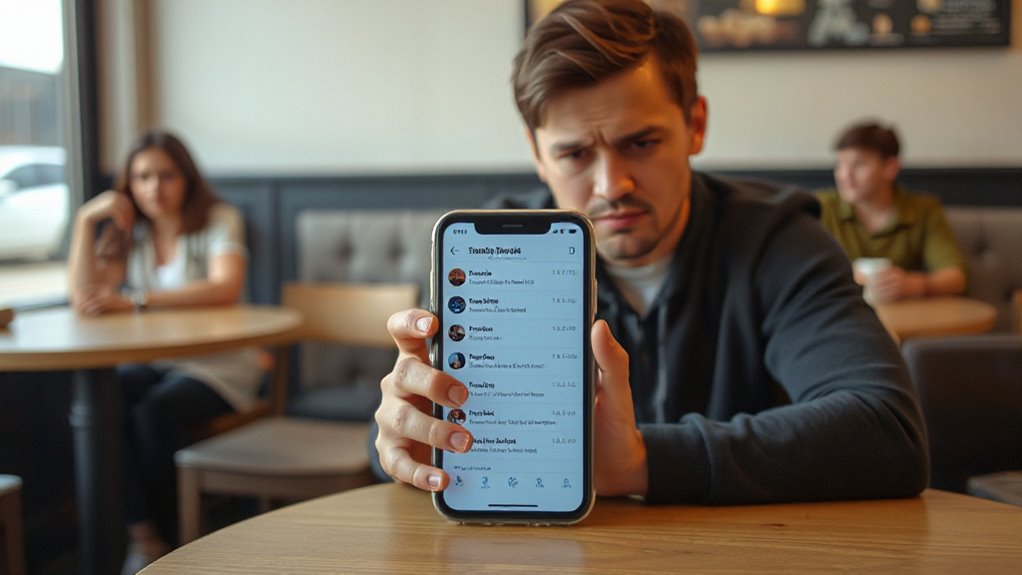




Why Married Couples Stop Dating
Marriage has a funny way of making couples forget the very thing that brought them together.
Dating stops because life gets loud — bills, kids, careers, and chores eat the calendar whole.
Couples assume living together replaces intimacy.
It doesn’t.
Comfort kills effort fast.
Why plan a date when you’re already sharing a bed?
Then familiarity creeps in, and those cute quirks start grinding nerves.
Energy shifts toward work and personal goals.
Emotional connection quietly erodes.
Nobody announces it.
One day, partners realize they’ve traded romance for routine, and love has slowly downgraded into something closer to tolerance. Without intentional couple time, children become the priority over the marriage, and reconnecting later becomes far harder than it needed to be. Experts suggest that committing to at least two dates per month is enough to keep the bond alive and both partners feeling genuinely loved and appreciated. Research shows that consistent reciprocal effort in small, regular gestures predicts greater long-term relationship stability.
What Happens to Your Marriage When Romance Fades?
Romance doesn’t leave a marriage all at once — it slips out quietly, like air from a slow leak.
Then one day, both partners wonder where the connection went.
When romance fades, walls grow.
Distance builds.
Partners stop feeling curious about each other, stop wanting to spend time together, and start feeling quietly dissatisfied.
That dissatisfaction doesn’t stay quiet forever.
A marriage without romantic behaviors is generally not a happy one.
The excitement dims, the desire shrinks, and loneliness moves in — even with someone sleeping right beside you.
Commitment can survive.
Happiness is harder to hold onto.
Romance is only one of four kinds of love that hold a marriage together.
Falling out of love is not an accident — it follows predictable patterns that quietly erode the connection both partners once shared.
Couples who maintain even brief, meaningful daily interactions — as little as 15–30 minutes — are more likely to keep their emotional bond strong.
How Skipping Dates Quietly Kills Your Sex Life
When couples stop dating, the bedroom is usually the first place that feels it.
Not because desire vanishes overnight, but because emotional intimacy quietly erodes first.
Unresolved resentment, shame, and lingering grudges build invisible walls.
Sex doesn’t disappear — connection does.
And without connection, desire follows.
Experts define a sexless marriage as fewer than nine encounters per year.
That’s not a rough patch.
That’s a pattern.
When one partner is fine with the drought and the other isn’t, that gap signals real trouble.
Skipping dates doesn’t just kill romance.
It starves the emotional foundation that sex actually runs on.
In long-term relationships, emotional connection powers sexual desire far more than hormones ever could.
Left unaddressed, ingrained intimacy dynamics rarely resolve on their own — and the longer they persist, the harder they become to reverse.
Rebuilding intimacy often requires consistent effort and ongoing vulnerability from both partners.
How Disengagement Puts Your Long-Term Commitment at Risk
Loss of sexual connection is bad enough.
But disengagement quietly dismantles something deeper — actual commitment.
Research shows disengaged partners report dramatically lower commitment levels, and lower commitment reliably predicts eventual breakdown.
This isn’t abstract.
It’s measurable and predictable.
Here’s what disengagement actually looks like:
- Talking less and sharing less meaningfully
- Investing attention and energy elsewhere — work, kids, screens
- Slowly stopping the fight for the relationship altogether
Once someone stops fighting for the marriage, dissolution becomes a real consideration.
Not a dramatic blowup.
Just a quiet fade.
That’s rather scarier.
Researchers identify three core components of disengagement: emotional indifference, behavioral distancing, and cognitive distancing.
A UCLA study of 172 couples found that willingness to sacrifice — not just wanting the relationship to continue — was the stronger predictor of lower divorce rates and slower deterioration over 11 years.
Couples who actively seek professional help when disengagement appears recover commitment more reliably than those who do not.
How to Start Dating Your Spouse Again : For Good
The good news is that disengagement isn’t a death sentence — it’s a choice, and choices can be reversed.
Start by treating the relationship like it’s new again.
Treat your relationship like it just started — because that curiosity and intentionality are exactly what it needs right now.
Ditch the usual dinner-and-a-couch routine.
Try something neither of you has done before.
Get out of town.
Rent a cabin.
Keep plans a surprise.
Dress like it matters, because it does.
Kill the phone notifications.
Arrange childcare.
Actually look at each other.
Send flirty texts.
Buy flowers for no reason.
Ask real questions.
Share what you genuinely appreciate about them.
Research confirms that doing something exciting together directly increases attraction between partners.
Small gestures like leaving a note or surprising your spouse with coffee take less than five minutes but go incredibly far.
Then schedule the next date before the current one ends.
Repeat.
Also, consider simple, budget-friendly options like casual coffee or pizza dates to keep pressure low and conversation flowing.