

Why Dating Apps Are Burning Gen Z Out
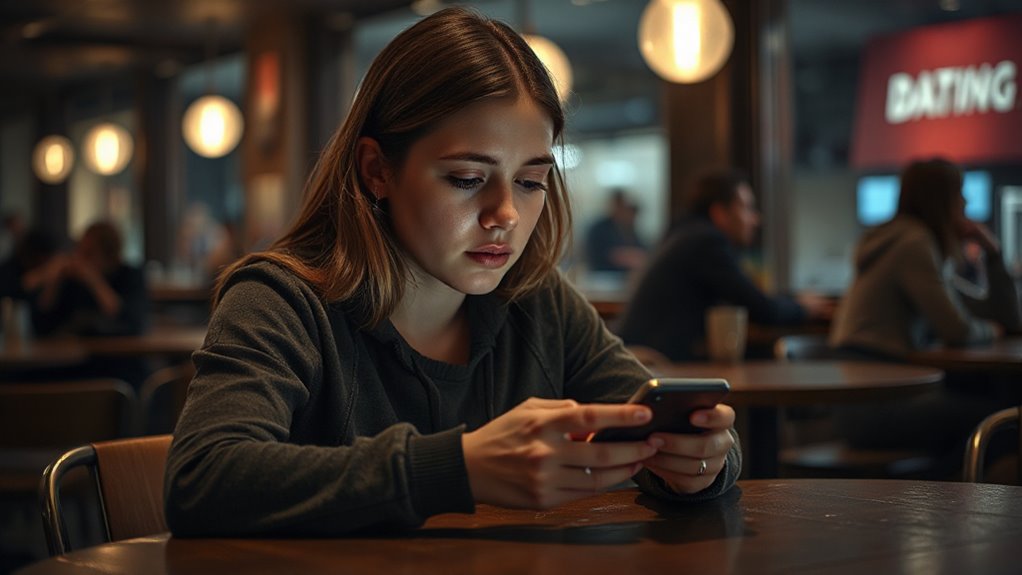
Dating apps were supposed to make finding love easier. Instead, they’re burning people out.
More than half of Gen Z feels exhausted from using them, the highest burnout rate of any generation.
Over 75% say they can’t find genuine connections on Hinge, Tinder, or Bumble.
3 in 4 Gen Z users say dating apps like Hinge, Tinder, and Bumble fail to deliver genuine connections.
That’s not a coincidence. These platforms aren’t designed to help users find compatible partners. They’re designed to keep users scrolling.
Algorithms reward engagement over actual compatibility, and meaningful features get locked behind paywalls.
Gen Z spends roughly 156 hours yearly on these apps and walks away with an average of six real connections.
Hardly worth it. Apps create a simulation of dating, not actual dating, leaving users passive, frustrated, and no closer to a real connection.
Adults today are having significantly less sex than they were in 1990, with the sharpest decline among Gen Z.
This trend aligns with broader data showing that about one in five couples under 30 now meet online, highlighting the rising online uptake.
Ghosting Is Getting Worse: Here’s Why
Ghosting didn’t come out of nowhere. Digital communication made disappearing easy, and an entire generation learned that avoiding discomfort beats having hard conversations.
Apps handed people endless options, so why bother explaining yourself when the next match is one swipe away?
Here’s what’s actually driving it:
- Digital platforms remove face-to-face accountability entirely
- Nearly one in three people ghost due to mental health struggles
- The “endless buffet” of dating apps makes people feel replaceable
- Gen Z was conditioned to cut ties at the first red flag
- 84% of Gen Z has been ghosted and hated it
And the cycle feeds itself. 67% of people who have been ghosted go on to ghost others, turning a painful experience into a repeated pattern.
TikTok trends like listing “icks” and red flags have normalized ending relationships instantly, with “laughing too hard” cited as a legitimate reason to walk away from a partner entirely.
Many of these behaviors are reflected in clear nonverbal signs of disinterest like avoiding eye contact and failing to mirror your movements, which often indicate body language cues rather than explicit rejection.
How Safety Risks on Dating Apps Are Killing the Desire to Connect
Ghosting stings, but at least it leaves people physically unharmed.
Dating apps carry darker risks.
Over a third of women surveyed reported sexual assault by someone met through a platform.
More than half of those assaults involved rape.
Meanwhile, 55% of users have encountered a cybersecurity threat while swiping, and 75% of major apps earned D or F grades for safety practices. Many users fail to enable basic protections like two-factor authentication, leaving accounts vulnerable.
Romance scams drained $1.3 billion in 2022 alone.
No wonder people are exhausted.
When an app can’t protect basic data or basic safety, wanting to connect starts feeling less like hope and more like gambling. None of the major apps — Tinder, Hinge, or Bumble — conduct criminal background checks on their users.
Nearly half of all online dating users say the platforms feel unsafe, and 62% of adults 65+ share that concern — a sign the anxiety spans generations.
Why Gen Z Keeps Ending Up in Situationships Instead of Relationships
The situationship didn’t sneak up on Gen Z—it was practically handed to them. A broken economy, app burnout, and rejection anxiety created the perfect conditions for low-commitment, no-label arrangements to thrive.
Here’s why Gen Z keeps landing here:
- Housing instability makes traditional milestones like moving in together feel impossible
- Fear of rejection stops 56% from pursuing anything real
- Dating apps reward swiping, not committing
- The “relationship escalator” feels outdated and suffocating
- Flexibility protects people who can’t afford emotional risk right now
It’s not laziness. It’s survival mode wearing a situationship’s face. Google searches for “situationship” hit an all-time high in 2022, reflecting just how widely this arrangement had taken hold across ethnicities, genders, and sexual orientations worldwide. According to YouGov research, half of people ages 18–34 have been in a situationship, underscoring just how normalized these undefined arrangements have become. New daters often enter these arrangements before they’ve fully processed past relationships, showing signs of emotional readiness or its absence.
How Gen Z Daters Are Ditching Apps for Something More Intentional
After years of swiping, ghosting, and paying $200 for a date that went nowhere, Gen Z is quietly pulling the plug on dating apps. The majority are now meeting partners in person—at school, at work, through chance encounters. No algorithm required.
Many are also turning to Instagram and TikTok, where interactions feel less gamified and more human. Some are skipping dating altogether through “solo-maxxing,” investing in themselves instead.
It sounds like giving up. It’s actually the opposite. They’re rejecting a broken system and demanding something real. Only 31% of young adults in the US are actively dating at least once a month. In fact, 79 per cent of Gen Z report feeling fatigued by dating apps altogether.
Intentional beats exhausting, every time. Community-based meetups and volunteering create natural opportunities to build lasting relationships in person.