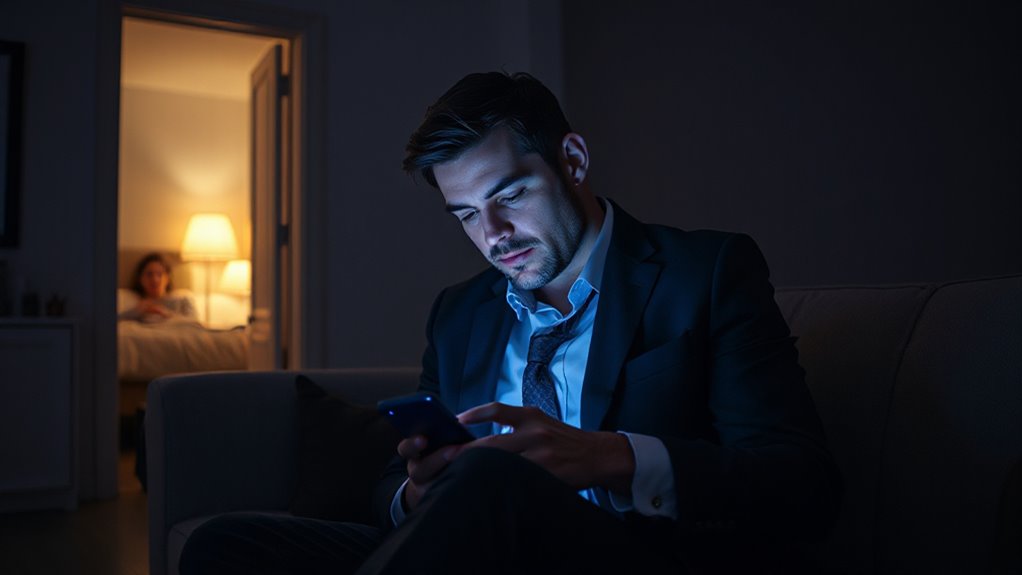


Dating feels harder now because the old script is gone and modern dating apps replaced it with endless options, which fuels choice overload and unrealistic romantic expectations. You can’t fix the environment, but you can narrow your choices, slow down, and judge people by consistent behavior rather than instant chemistry.
Why Dating Feels So Much Harder Than It Used To
Dating used to come with a script: meet someone, go on dates, figure it out. Now the script is gone, and nobody agreed on a replacement.
Psychologist Barry Schwartz calls the result the paradox of choice: more options, less satisfaction. Swipe through a hundred profiles and you can end up feeling worse about yourself. Studies show 65% of users experience anxiety from choice overload alone. Add hookup culture confusion, post-pandemic exhaustion and social media’s highlight reel, and you get a generation trying to find real connection inside a system designed to keep them scrolling. Dating isn’t harder because people changed. The environment did.
Gottman Institute research found that couples who stayed together responded positively to small emotional bids about 86–87% of the time. On the other side, each relationship that ends leaves the nervous system with new evidence that connection leads to loss.
Building social ties on purpose, by joining clubs, volunteering or attending community events, can make real relationships more likely, since shared interests foster conversation and trust.
How Dating Apps Rewired What You Expect From a Partner
Dating apps handed people an endless catalog of potential partners, and the brain adjusted. Now someone better always feels one swipe away, and that rewires expectations fast.
Users start believing they deserve perfect compatibility, not reasonable compatibility. Standards shift toward looks and novelty, because that’s what a three-second profile rewards. Validation becomes chemical: matches feel good, and silence feels like failure. App users report lower satisfaction with their relationship status than non-users. The pool got bigger, the patience got smaller, and real connection got harder to recognize when it showed up.
A systematic review of 70 empirical studies found that dating app use is consistently linked to lower condom use, higher rates of casual sex and compulsive usage patterns, particularly among people already struggling with loneliness. The swipe mechanic itself isn’t neutral: matches and likes trigger dopamine-driven reward responses, creating an intermittent reinforcement loop that makes the app feel compulsive rather than functional. Newer data also show that about 30% of U.S. adults use online dating, which changes how many people expect to find partners.
Why Having More Dating Options Makes You Feel Worse, Not Better
More options should feel like freedom, but they don’t. Research on 6,646 people across 50 countries found that online daters reported lower relationship satisfaction than people who met traditionally. In one study, people choosing from 24 potential partners were less satisfied than those choosing from just six.
More choices triggered more regret, more second-guessing and more “what if.” When reversing a selection was allowed, satisfaction dropped even further. The brain starts cataloging everything it didn’t pick, and the person right in front of you begins to feel like a consolation prize. More options don’t raise the floor. They raise the anxiety. Small confidence boosts from decisive action, such as better posture, can ease this by improving how you present yourself and engage socially.
The effect shows up in relationships too. Men already in relationships who perceived many other romantic options experienced greater regret and dissatisfaction with their current partner. That study, conducted by a doctoral candidate and an assistant professor, was published in Media Psychology.
Why Instant Chemistry Is a Trap That Kills Real Relationships
Instant chemistry feels like a sign, but it’s mostly pattern recognition: the brain clocking someone who resembles a familiar template from childhood. Add an adrenaline spike, and “familiar” feels like fate.
- The brain encodes early faces and voices as safe templates
- New matches trigger recognition, not genuine knowing
- Adrenaline mimics excitement but resembles fear more closely
- Dysfunctional past templates disguise red flags as attraction
- Overwhelming chemistry causes people to ignore obvious warning signs
Real compatibility builds slower. Calm feels boring until it feels like home. The dopamine reward system reacts to familiarity rather than how good someone actually is for you.
During early infatuation, the neural pathway for negative emotions temporarily deactivates, so fear and social judgment go quiet exactly when you need them most. Paying attention to consistent patterns of behavior, like nonverbal signals, helps distinguish true interest from fleeting chemistry.
How to Date Well Despite Choice Overload
- Build connections offline through clubs, volunteering or community events, where shared interests do some of the work.
- Aim for reasonable compatibility rather than a perfect match.
- Commit to a choice instead of keeping reversals open, since easy reversals lowered satisfaction.
- Don’t treat instant chemistry as proof; watch for consistent behavior over time.
- Notice small emotional bids from the person in front of you and respond to them.
Common Questions About Modern Dating Frustration
Is it my fault that dating feels so hard?
Mostly no. Dating isn’t harder because people changed; the environment did. Apps, endless options and social media shape expectations in ways that make satisfaction harder to reach.
Should I trust a strong spark on a first date?
Be careful. Instant chemistry is often the brain recognizing a familiar template, and adrenaline can disguise red flags as attraction. Look for consistent behavior over time instead.
Does having more matches improve my chances of finding someone?
Not necessarily. In one study, people choosing from 24 potential partners were less satisfied than those choosing from six, and more choices brought more regret and second-guessing.
Keeping Romantic Expectations Realistic
The goal isn’t to quit apps or distrust attraction. It’s to give fewer people more attention and let a connection prove itself over time, rather than by how it felt in the first hour.