






Why Repeated Hurt Burns You Out on Dating
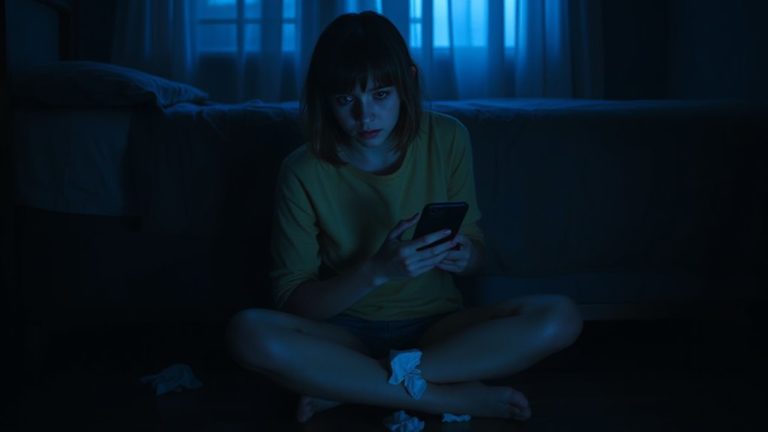
Dating after repeated hurt isn’t just emotionally exhausting—it’s neurologically draining.
Your brain literally changes.
Your brain doesn’t just feel different after repeated hurt. It actually, measurably, physically changes.
The amygdala kicks into overdrive, ramping up fear and avoidance.
Meanwhile, your prefrontal cortex, the part handling rational decisions, goes quiet.
Dopamine pathways dull, so new connections stop feeling rewarding.
Cortisol stays elevated, keeping your body locked in stress mode.
You’re not being dramatic.
You’re running on a system that’s been battered into self-protection.
Every disappointment chips away at your resilience until hope itself feels dangerous.
That’s not weakness—that’s biology responding logically to repeated damage.
Your brain is just trying to survive.
Repeated emotional activation from dating cycles places ongoing strain on your nervous system, making it harder to recover between disappointments.
Many people are now giving up on dating entirely, and it’s not hard to understand why—when every attempt ends in the same exhaustion, withdrawal stops feeling like defeat and starts feeling like survival.
People who repeatedly face manipulative patterns like love bombing are especially likely to experience these neurological changes.
Signs Your Dating Burnout Is More Than Just Fatigue
When the brain has been battered long enough, it stops signaling “be careful” and starts signaling “be done.” That shift is worth paying attention to.
Fatigue is temporary.
Burnout rewires behavior.
Dates start feeling like obligations.
Dread replaces anticipation.
Conversations go robotic.
Swiping happens on autopilot, without thought or intention.
Cynicism creeps in until every new person looks suspicious before they’ve said a word.
Then comes the contempt—dating stops feeling hard and starts feeling pointless.
Finally, emotional shutdown.
Past pain blocks everything incoming.
Trust disappears.
The desire for connection doesn’t just fade—it gets actively rejected.
That’s not tired.
That’s done.
Burnout occurs when the weight of repeated disappointment finally outpaces whatever emotional resources were left to draw from.
Research consistently links dating app use to lower self-esteem, as likes, matches, and responses quietly become metrics people use to measure their own worth.
Early warning signs like controlling behaviors often appear before more serious problems develop.
How to Recover From Dating Burnout Without Quitting on Love
Recovery doesn’t start with downloading a new app or forcing a better attitude. It starts with stepping away entirely.
Delete the apps for two weeks, minimum.
Kill the notifications.
Get quiet.
Redirect that swiping energy toward sleep, real food, hobbies, and people who already love them.
Then, actually reflect.
What patterns keep repeating?
What drained them most?
What do they actually want?
When they return, they return differently—strict time limits, fewer apps, quality over quantity.
No more chaos scrolling at midnight.
Each additional hour of scrolling decreases psychological well-being, increasing anxiety and emotional instability while chipping away at self-esteem.
Dating burnout isn’t a dead end.
It’s a forced reset.
Use it. Ghosting and breadcrumbing create vague, unresolved endings that keep the mind working overtime long after the conversation is gone.
Allow time to build a clear narrative reconstruction of what happened so you can transform lingering pain into usable insight.