



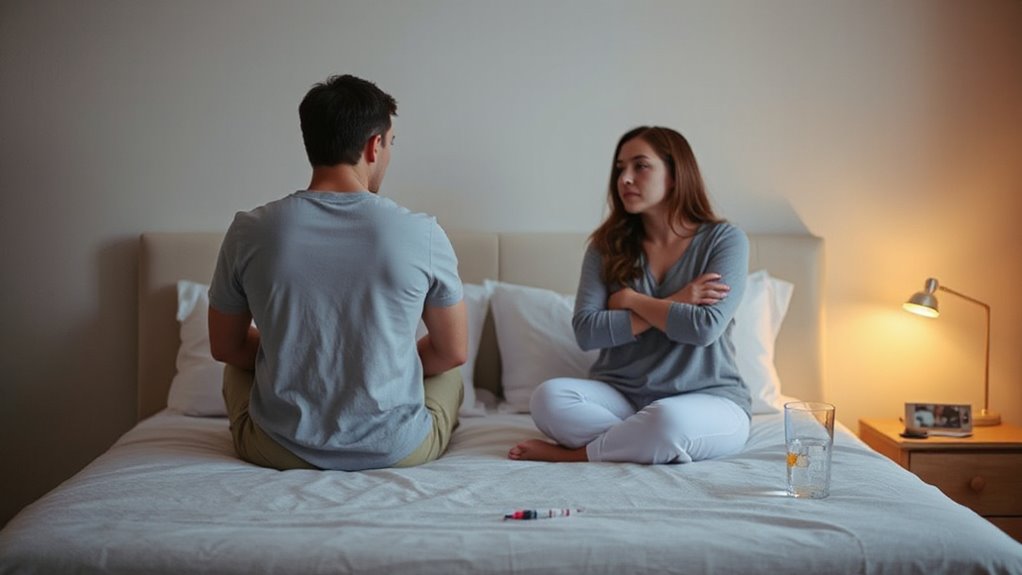
New weight loss drugs can cause sexual side effects, including libido loss, erectile problems and orgasm changes, but most people on GLP-1 drugs notice no negative change in sexual function. When problems do appear, they are often manageable. Dose adjustments, hormone checks and an honest talk with your doctor are the usual first steps.
How Common Are Sexual Side Effects From GLP-1 Drugs?
Sexual side effects from GLP-1 drugs rarely make the headline list of complaints. Most people start these medications and never notice a change in the bedroom, and the majority of users report no negative impact on sexual function at all.
Some even improve. About 18% of users report increased sexual desire, while 16% report a decrease, so the split isn’t dramatic. Weight loss and better metabolic health often push outcomes in a positive direction.
A small fraction experiences real problems, and rare doesn’t mean impossible. Sexual dysfunction as a side effect of GLP-1 agonists remains poorly characterized in the medical literature. Overall, 52% reported sex-life impacts among GLP-1 users surveyed, which suggests effects exist across a range of experiences but are far from universal or uniformly negative.
For context, average couples have sex about 54 times per year, which helps you gauge how much a reported change might matter.
Why Can GLP-1 Drugs Lower Your Sex Drive?
When GLP-1 drugs dial down libido, there are biological reasons behind it. These medications interact with hypothalamic receptors, disrupting the serotonin and dopamine pathways that fuel sexual desire and pleasure. Less dopamine means sex feels less rewarding.
GLP-1s can also cause vasoconstriction, which reduces blood flow to genital tissue and weakens physical arousal. Meeting partners through daily activities can help maintain intimacy outside medication effects.
Hormonal balance can also take a hit, particularly in non-diabetic users losing weight rapidly. Testosterone and estrogen levels can drop, pulling desire down with them. Men with diabetes already face a significantly elevated risk, as they are 3.5 times more likely to experience erectile dysfunction than their non-diabetic counterparts.
Erectile difficulties during GLP-1 therapy are also often driven by underlying conditions like diabetes, cardiovascular disease and hypertension rather than the medication itself.
Do GLP-1 Weight-Loss Drugs Cause Erectile Dysfunction?
For men, libido is just one piece of the puzzle. GLP-1 drugs and erectile dysfunction have a complicated, contradictory relationship. In diabetic men, these drugs actually appear to improve erectile function, which is good news.
Non-diabetic men using semaglutide for weight loss are a different story. Studies show a 26% higher risk of developing ED compared to non-users, though the overall rate stays relatively low at 1.5%. That number still matters if you’re the one experiencing it. Researchers aren’t certain why the effect flips between populations, and more research is needed.
A retrospective cohort study of men with type 2 diabetes and ED found that long-acting GLP-1 receptor agonists improved erectile function over the study period.
Erectile dysfunction is considered an early cardiometabolic marker, meaning the same biological pathways GLP-1 drugs target for weight loss are closely tied to sexual vascular health. Some differences may relate to body composition changes and how weight loss affects hormones and blood flow.
Why Do GLP-1s Disrupt Orgasms in Both Men and Women?
Orgasm is a full-body physiological event, and GLP-1 drugs can interfere with several systems involved. Blood flow drops, reducing genital engorgement. Dopamine signaling weakens, dulling the brain’s reward response. Pelvic floor muscles shrink alongside overall weight loss, meaning weaker contractions during climax. Familiarity and psychological factors can also shift how sexual reward is experienced over time, a pattern tied to the mere exposure effect.
The result can be less intensity, shorter duration, or sometimes no orgasm at all. Case reports and FDA adverse event filings confirm this happens. Insurance and pharmacy data analyses also suggested a possible increased risk of premature ejaculation in some men taking these medications.
Not everyone experiences this, and some people report better sex after losing weight. But for others, something that used to work simply stops. In one documented case, a woman’s orgasmic ability returned only after switching from semaglutide to tirzepatide.
Can GLP-1 Sexual Side Effects Be Reversed or Managed?
Most of these side effects aren’t permanent. Dose adjustments, smarter timing and basic lifestyle fixes handle a surprising number of complaints. Doctors can lower doses or extend injection intervals to ease libido dips, and tackling nausea, fatigue and dehydration helps more than people expect.
Hormonal testing can catch testosterone drops linked to rapid weight loss, and targeted therapy has shown real improvements. The FAERS data also shows erectile dysfunction risk remains low, and most patients stabilize once their bodies adjust.
A healthcare provider consultation can be especially valuable for navigating sexual health changes across multiple hormonal pathways.
What to Do About GLP-1 Sexual Side Effects
- Talk to your doctor about adjusting the dose or extending the injection interval.
- Ask about hormonal testing if your desire drops during rapid weight loss.
- Address nausea, fatigue and dehydration, and prioritize sleep and stress.
- Keep up exercise and nutrition.
- Talk honestly with your partner about what’s changing.
- Consider regular STD screening and shame-free conversations with clinicians to support your sexual wellbeing.
Common Questions About GLP-1 Sexual Side Effects
Should I stop my medication if my sex drive drops?
Don’t stop on your own. Talk to your doctor first, since dose changes, longer injection intervals or hormone testing can often ease the problem. In one documented case, switching drugs restored a woman’s orgasmic ability.
Is a drop in desire always caused by the drug?
No. Rapid weight loss can lower testosterone and estrogen, and erectile problems are often driven by underlying conditions like diabetes, cardiovascular disease and hypertension. A doctor can help sort out the cause.
Living With GLP-1 Sexual Side Effects
Most people on these drugs see little or no change, and many of those who do find it eases with adjustments. If something shifts in your sex life, treat it as a medical question worth raising early rather than something to endure quietly.