



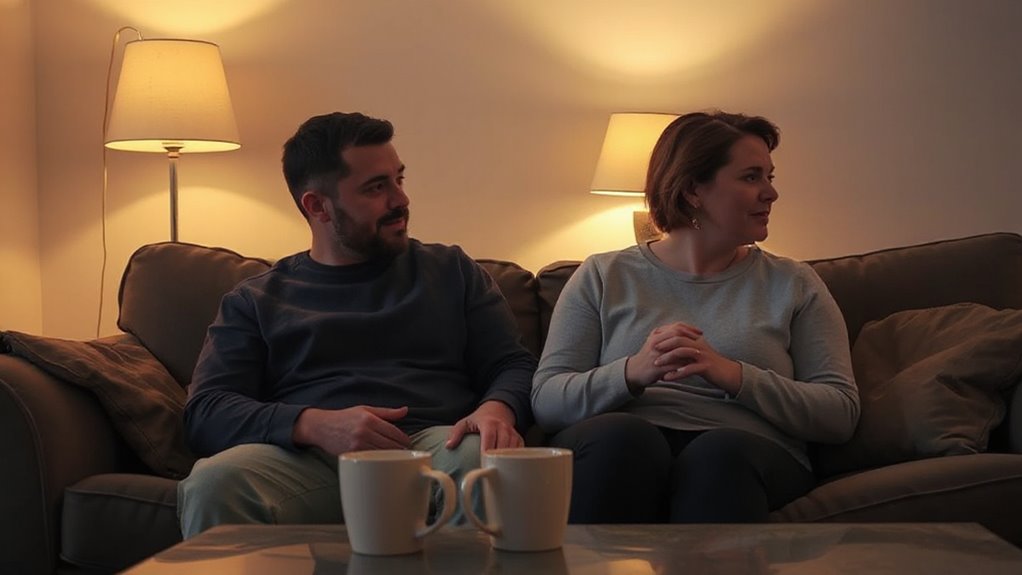
Do Couples Actually Need to Agree on Everything?
The short answer is no—couples do not need to agree on everything to have a healthy relationship.
Partners can remember the same event completely differently and still stay deeply connected.
Different feelings, priorities, and wants are not red flags.
They are just reality.
Healthy couples are not carbon copies of each other.
Disagreements will happen.
Conflicts will persist.
And the emotional bond can stay fully intact through all of it.
The real question is not whether couples fight—they will—but whether they can reconnect afterward.
That ability to come back is the actual sign of strength.
Couples who handle conflict well tend to disagree without insults or blame, keeping the emotional climate safe even when they are not on the same page.
Using “I” language helps each partner communicate clearly about their own experience without requiring the other person to agree.
Small, consistent signals of interest—like genuine smiles or timely follow-up—help partners feel valued and reconnect after disagreements.
Where You Actually Need to Be on the Same Page
While couples do not need to agree on everything, some things genuinely matter.
Not everything needs agreement. But some things do. And knowing the difference is what keeps a relationship standing.
Core values, shared vision, and mutual respect are non-negotiable.
Couples should sit down at least once a year and talk honestly about where each person wants to go.
Not a quick check-in—a real conversation.
Equal say in decisions matters too.
Both voices count, or resentment quietly builds.
Personal growth, financial direction, and how conflict gets handled also require alignment.
Not identical opinions, but enough common ground to move forward together.
Miss these, and no amount of compromise on small stuff saves the relationship. Disrespect toward the other person creates a problem that undermines the foundation and makes everything else harder to hold together.
Bringing in external support early can increase the chances of finding agreement when recurring issues persist.
How Couples Can Disagree Without Damaging the Relationship
Disagreement is not the problem—how couples handle it is.
Two people can clash without torching the relationship, but only if they’re actually trying to understand each other instead of win.
That means listening instead of reloading.
It means saying “help me understand” instead of “you always.”
It means taking a breath when emotions spike, not a cheap shot.
Attack the issue, not the person.
Find the common ground—it’s usually there.
Set ground rules.
Stay curious.
And accept that sometimes agreement isn’t coming, but respect still can.
When tension runs high, simply saying I can see why you’re upset can diffuse the moment and help both partners feel connected instead of cornered.
Avoiding conflict doesn’t build peace—it builds distance and resentment.
That’s not losing.
That’s the whole point.
Intentional vulnerability and emotional safety help partners stay connected through disagreement.
How to Stay Close When You Keep Seeing Things Differently
Some couples can disagree on nearly everything and still stay tight—not because they’ve figured out how to win, but because they stopped trying. Staying close through ongoing differences takes real strategy.
Name the strength inside the difference instead of scorekeeping.
Say appreciation out loud—”I know we see this differently, but I value what you bring.”
Ask what a partner contributes that you naturally wouldn’t.
Decide what’s good for “us,” not just “me.”
And when things heat up, make repair the priority.
Getting back to connection faster matters more than being right.
Full stop. Research shows that drifting apart—not constant fighting—is what quietly ends most relationships. Healthy couples are defined not by the absence of disagreement, but by learning to understand and respect differences without losing their bond.
Pay attention to early warning signs like controlling behaviors or emotional intimidation to protect the relationship and personal safety, especially if patterns of controlling behaviors appear.
The Daily Habits That Keep Disagreement From Becoming Distance
How a relationship handles the quiet Tuesday nights matters just as much as how it handles the big blowups. Small daily habits either build a bridge or quietly widen a gap.
Put phones down for ten minutes. Ask how the day actually went, then listen. When a partner walks through the door, stop and hug for six seconds—fully present, not distracted.
Follow through on small promises. Text back when agreed. These aren’t romantic gestures; they’re maintenance.
Disagreements don’t destroy relationships. Neglect does.
Consistent small actions signal safety, and safety is what keeps two people from drifting apart entirely. Unspoken grievances accumulate emotional weight over time, making regular check-ins not just thoughtful but necessary.
Research shows that 69% of conflicts between couples are unsolvable, centering on deeply held personality traits, values, and beliefs rather than everyday logistics. Additional work like consistent behavioral change over months is what helps rebuild safety after trust has been damaged.