
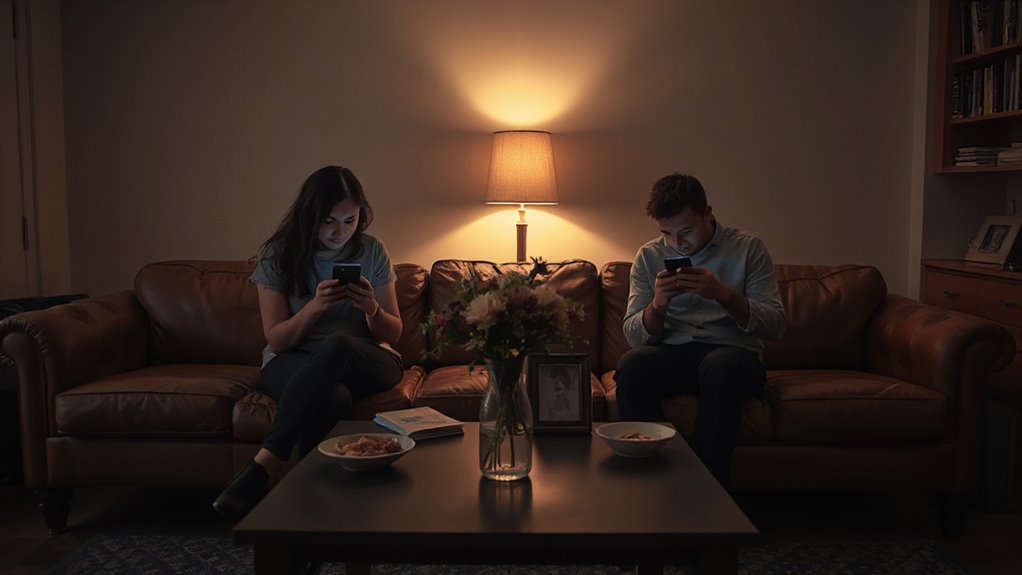


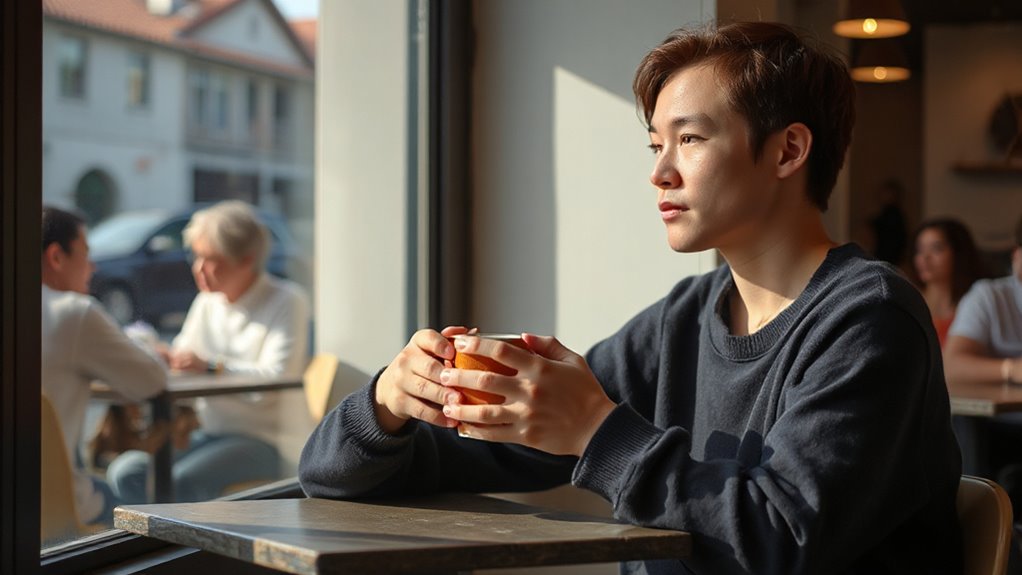
Dating while ashamed is hard, but shame doesn’t decide whether you can date, only how it feels. The most workable path is to start small before your confidence catches up, name what is really holding you back, and build friendships that make rejection less threatening. Confidence building follows action, and dating despite shame is where it begins.
Why Shame Hits Harder Than the Dating Itself
Most people assume the hardest part of dating while ashamed is the date itself: the awkward silences, the judgment, the potential rejection. In practice, the hardest part happens before anyone shows up.
Shame doesn’t target behavior. It targets identity. It whispers “I am bad,” not “I did something bad,” and that distinction matters. Guilt says fix it. Shame says hide. So the brain starts running worst-case scenarios, imagining how flawed and exposed you look to someone you haven’t even met yet.
The date becomes secondary, because the internal verdict comes first, and it’s usually harsh. This response isn’t random. Shame triggers sympathetic nervous system activation, driving up heart rate and flooding the body with stress before a single word is exchanged. Habits like consistent eye contact and mirroring can help counteract anxiety and build connection.
You Can Date While You Feel Ashamed
Shame does a convincing job of arguing that dating should wait until life looks better. It lies. Shame changes how people date, not whether they can. It drives hiding, comparison, and misrepresentation, but none of that makes dating impossible. It makes it messier.
Waiting for a shame-free life before pursuing connection is not a strategy. It is avoidance with good branding. Toxic shame says the self is broken, but that is a distortion, not a diagnosis.
Dating while ashamed is harder, sure. It is also survivable, and for many people it’s exactly where things start turning around. Unlike guilt, which fades after accountability, shame often worsens over time without intervention.
Undoing shame is not a single moment of insight. Counter-messages may need to be repeated a dozen or a hundred times before they begin to replace the original wound. Many people also need to learn to spot manipulative tactics in relationships so they can protect themselves while they heal.
What’s Actually Blocking You From Dating?
When someone avoids dating, the stated reason and the real reason are rarely the same. “I’m too busy” usually means “I’m scared.” “I’m working on myself” can mean the same.
The actual blockers tend to be predictable: fear of rejection, low self-worth, body shame, or avoidance habits that feel like protection but quietly make things worse.
Apps add their own damage: constant comparison, ghosting, and silence that gets internalized as personal failure. More time spent on dating apps has been linked to greater depression, anxiety, and stress. One in five younger adults now meet partners online, which changes how those pressures are experienced. A 2024 Forbes Health survey found that 78% of users reported feeling emotionally, mentally, or physically drained by the dating app experience.
None of that is a character flaw. It’s a pattern, and patterns can be interrupted. But first, the real blocker has to be named honestly.
How to Start Dating Before Your Confidence Catches Up
Waiting for confidence to show up first is backwards. Confidence follows action, not the other way around. Repeated small dating experiences build comfort and fluency over time, so starting before you feel ready isn’t reckless. It’s the strategy.
Low-pressure settings help: coffee shops, short walks, casual meetups. Nothing that requires a performance. On the date itself, shift your attention outward. Ask questions and get curious about the other person, which quiets self-monitoring faster than any pep talk.
Awkward moments will happen, and that’s fine. Self-compassion after a rough date beats full withdrawal every time. Elevated dating anxiety has been linked to longer-term consequences, including loneliness, diminished self-esteem, and reduced confidence that can persist well beyond a single bad experience.
Among people who use dating apps primarily to boost confidence, over 42% report low trait self-esteem. The urge to seek validation through dating is more common than most people admit.
Try showing up in places where shared interests bring people together, since structured environments naturally foster conversations and connections.
Why Building Social Support Makes You a Better Dater Over Time
Starting dates before feeling ready is one piece of the puzzle. It only gets you so far if you walk into every coffee shop meetup emotionally depleted, clingy, or quietly desperate for the other person to fix something.
Social support changes that. People with stronger friendships and dependable connections show lower loneliness over time, which reduces the urgency and rejection sensitivity that sabotage early dating. Quality matters more than quantity: two reliable people beat twenty distant ones.
Better support also steadies mood, sharpens emotional regulation, and builds the listening habits that make someone worth dating in the first place. Large-sample research finds that life satisfaction, positive affect, and negative affect are each predicted by distinct types of social support, so the kind of connection you build matters as much as having it.
A review spanning over 68,000 screened studies found that emotional support is the most commonly targeted domain in social support interventions, appearing in over 85% of them. A partner who shows consistent emotional support during stressful periods is more likely to foster long-term stability than one-off romantic gestures.
Steps for Dating Despite Shame
- Name the real blocker, whether it’s fear of rejection, low self-worth, body shame, or avoidance dressed up as “being busy.”
- Start before you feel ready, with small, low-pressure meetups like coffee or a short walk.
- On the date, focus on the other person: ask questions and stay curious instead of monitoring yourself.
- After an awkward date, respond with self-compassion rather than withdrawing.
- Put yourself in places where shared interests bring people together.
- Invest in a few reliable friendships so you aren’t relying on dates to fix how you feel.
Common Questions About Dating While Ashamed
Should I wait until I feel better about myself before dating?
Waiting for a shame-free life is avoidance, not a strategy. Confidence follows action, so small, low-pressure dating experiences are often what help it grow.
Is shame the same as guilt?
No. Guilt says “I did something bad” and tends to fade after accountability. Shame says “I am bad” and often worsens over time without intervention.
How long does it take for shame to loosen its grip?
There’s no single moment of insight. Counter-messages may need to be repeated a dozen or even a hundred times before they replace the original wound.
Taking the First Step With Shame
You don’t have to resolve your shame before you meet someone. Pick one small, low-pressure plan this week, and treat any awkwardness as practice rather than proof. Emotional vulnerability gets easier each time you show up anyway.