


Why Unrequited Love Hurts as Much as Physical Pain
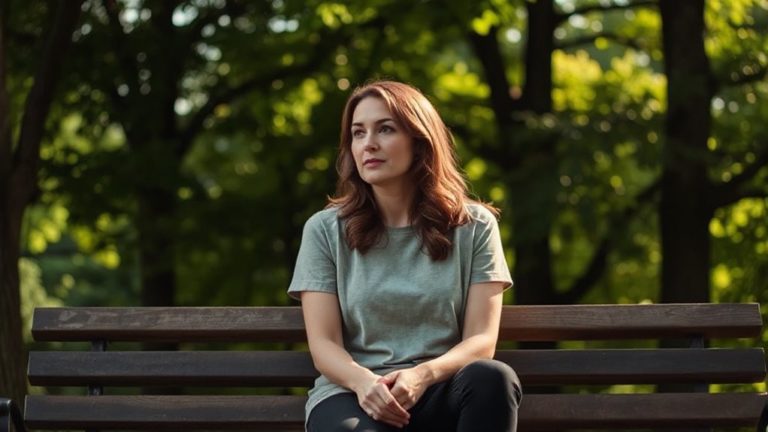
When someone gets rejected by a person they love, the pain they feel is not just emotional theatre—it is real, measurable, and rooted in brain activity that looks remarkably similar to physical pain.
Brain scans of rejected lovers show activation in the same regions that fire during physical injury, including areas tied to both the sensation and emotional sting of pain.
Simultaneously, reward circuits linked to craving and addiction light up.
So the brain is processing loss and longing at once.
That combination, layered with elevated cortisol and disrupted sleep, explains why heartbreak can feel genuinely impossible to shake.
Research using fMRI has identified the anterior cingulate cortex and insula as the specific regions activated during social rejection and romantic disappointment.
In rare but documented cases, the emotional stress of heartbreak can trigger takotsubo cardiomyopathy, a temporary weakening of the heart’s left ventricle that produces cardiac biomarkers and electrocardiographic changes closely mimicking a heart attack.
Repeated exposure to reminders of the rejected person can strengthen these responses through the mere exposure effect.
Why You Can’t Love Someone Into Choosing You
Romantic love does not work like a negotiation where more effort eventually secures a yes.
No amount of devotion rewires another person’s feelings.
Their choice remains theirs, completely independent of how hard someone pursues them.
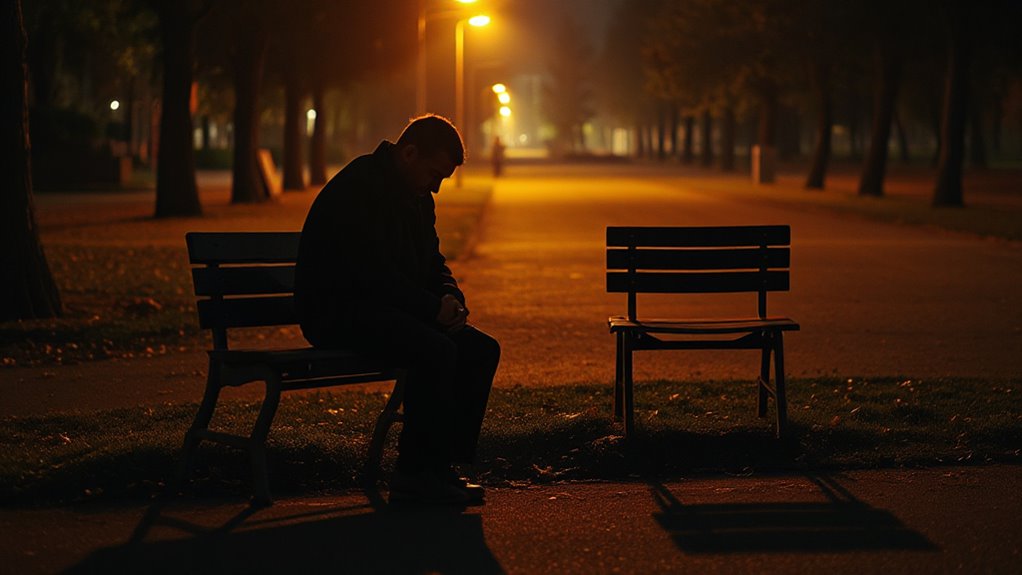
Persistence just prolongs the longing.
It does not manufacture attraction.
People keep pushing anyway because emotional investment creates a sunk-cost trap — all that time and energy start feeling like reasons to continue rather than evidence to quit.
But past investment does not equal future return.
Reciprocity requires consent, not pressure.
Loving harder does not change someone’s answer.
It just delays accepting what the answer already is.
Psychologist Dorothy Tennov spent a decade studying this kind of longing and found that uncertainty about returned affection actually intensifies obsession, because the mind fills the ambiguity with imagination and false hope.
A 1993 study by psychologist Roy Baumeister found that 98% of participants reported experiencing unrequited love at some point in their lives.
Recovering from this kind of emotional pain often requires confronting trust issues and rebuilding personal boundaries through consistent, honest actions.
The Patterns That Keep You Stuck in Unrequited Love
Accepting that love cannot be willed into existence is hard enough.
But certain patterns make walking away feel almost impossible.
Intermittent reinforcement is a big one—a random text, a rare warm moment, and suddenly the brain treats it like a jackpot.
The brain doesn’t care about consistency—it’s holding out for the next unpredictable moment that feels like winning.
That unpredictability fuels obsession more than consistent rejection ever could.
Add anxious attachment into the mix, and unavailable people start feeling familiar rather than alarming.
Childhood inconsistency wired some people to equate effort with love.
Fantasy fills whatever gaps reality leaves open.
Limerence actually requires distance to survive, feeding on the space between two people where fantasies can grow unchecked.
The cycle keeps spinning not because the connection is real, but because the brain won’t stop searching.
Giving someone else the power to determine your worth means placing your happiness entirely outside yourself, and that specialness needs external validation trap is one of the quietest reasons the obsession refuses to loosen its grip.
This dynamic can be intensified by manipulative tactics like love bombing that create rapid emotional dependency.
Why Unrequited Love Makes You Feel Like You’re Not Enough
Rejection has a way of lying straight to a person’s face. It whispers that the problem was never compatibility—it was them.
Unrequited love does this well. The brain processes social rejection like physical pain, so it feels real, urgent, and personal. Rejection sensitivity can make these feelings more intense and longer-lasting.
Add idealization into the mix, and suddenly that person wasn’t just someone who didn’t feel the same. They were the standard. The proof.
When they don’t choose back, the mind fills the silence with self-blame.
Old attachment wounds make it worse, turning one rejection into confirmation of something they’ve always feared—that love has to be earned. Poor self-esteem can quietly take root when deep feelings go unreciprocated for too long, making each rejection feel like evidence rather than circumstance.
Research suggests 98 percent of people have experienced being on one or both sides of unrequited love, meaning this pain is far less a reflection of personal failure than it is a near-universal human experience.
How to Move On From Unrequited Love Without Repeating It
Moving on from unrequited love is hard enough without walking straight into the same situation six months later.
Yet people do it constantly.
Same unavailable person, different face.
The pattern is the problem, not just the individual.
Start by reflecting on who gets chosen and why.
Learn basic attachment theory—it explains a lot about recurring attractions.
Write down what went wrong and what needs to change.
Broaden the social circle instead of recycling the same pool.
Recognize reciprocal interest early and take it seriously.
Unrequited love is not romantic.
It is exhausting.
Anxious or insecure attachment can increase attraction to emotionally unavailable partners, making the painful cycle feel familiar rather than like a warning sign.Social rejection activates the same areas of the brain as physical pain, which is why moving on takes real time and real effort.
Stop auditioning for someone who already cast someone else.
A useful step is to seek professional help to process the hurt and learn healthier relational patterns.