

Why Dating Feels So Much Harder Than It Used To
Dating used to come with a script.
Dating used to come with a script. Now the script is gone, and nobody agreed on a replacement.
Meet someone.
Go on dates.
Figure it out.
Simple enough.
Now? The script is gone, and nobody agreed on a replacement.
Barry Schwartz calls it the paradox of choice—more options, less satisfaction.
Swipe through a hundred profiles and somehow feel worse about yourself.
That tracks.
Studies show 65% of users experience anxiety from choice overload alone.
Add hookup culture confusion, post-pandemic exhaustion, and social media’s highlight reel, and you’ve got a generation trying to find real connection inside a system designed to keep them scrolling.
Dating isn’t harder because people changed.
The environment did.
Gottman Institute research found that couples who stayed together responded positively to small emotional bids about 86–87% of the time.
Each relationship that ends leaves the nervous system with new evidence that connection leads to loss.
Building social ties intentionally—by joining clubs, volunteering, or attending community events—can make forming real relationships more likely, since shared interests foster conversation and trust.
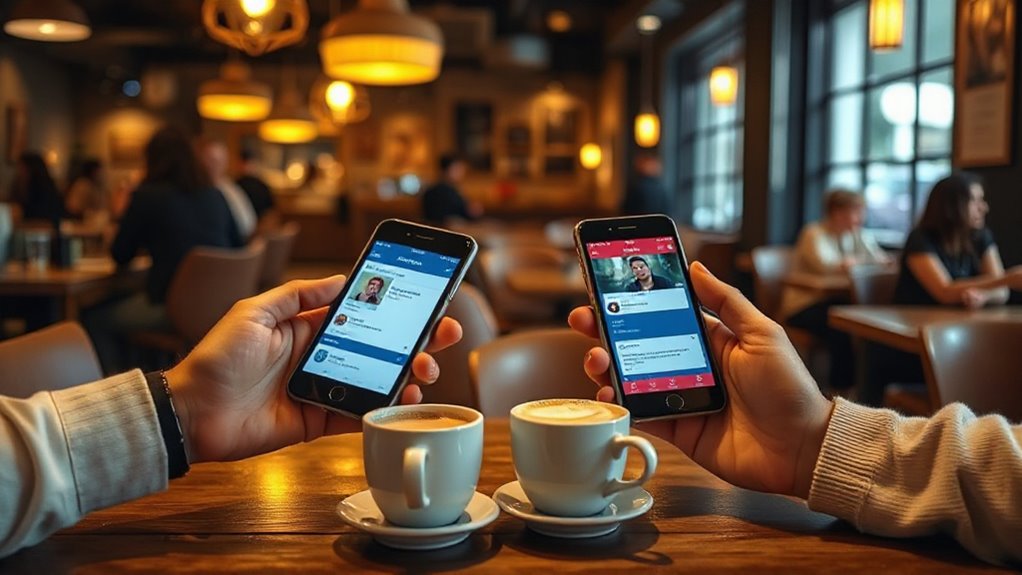
How Dating Apps Rewired What You Expect From a Partner
The environment broke the script. Dating apps handed people an endless catalog of potential partners, and the brain adjusted accordingly. Now, someone better always feels one swipe away. That rewires expectations fast.
Users start believing they deserve perfect compatibility, not reasonable compatibility. Standards shift toward looks and novelty because that’s what a three-second profile rewards. Validation becomes chemical—matches feel good, silence feels like failure.
Research backs this up: app users report lower satisfaction with their relationship status than non-users. The pool got bigger. The patience got smaller. And somehow, real connection got harder to recognize when it actually showed up.
A systematic review of 70 empirical studies found that dating app use is consistently linked to lower condom use, higher rates of casual sex, and compulsive usage patterns—particularly among those already struggling with loneliness. The swipe mechanic itself is not neutral—matches and likes trigger dopamine-driven reward responses, creating an intermittent reinforcement loop that makes the app feel compulsive rather than functional. Newer data also show that about 30% of U.S. adults use online dating, changing how many people expect to find partners online.
Why Having More Dating Options Makes You Feel Worse, Not Better
More options should feel like freedom. They don’t.
Research on 6,646 people across 50 countries found that online daters reported lower relationship satisfaction than people who met traditionally.
In one study, people choosing from 24 potential partners were less satisfied than those choosing from just six.
More choices triggered more regret, more second-guessing, more “what if.” Small confidence boosts from decisive action can reduce this anxiety by improving how you present yourself and engage socially posture.
When reversing a selection was allowed, satisfaction dropped even further.
The brain starts cataloging everything it didn’t pick.
Suddenly, the person right in front of someone feels like a consolation prize.
More options don’t raise the floor.
They raise the anxiety.
Men already in relationships who perceived many other romantic options experienced greater regret and dissatisfaction with their current partner.
The study, conducted by a doctoral candidate and an assistant professor, was published in Media Psychology.
Why Instant Chemistry Is a Trap That Kills Real Relationships
Instant chemistry feels like a sign. It’s not. That electric pull is mostly pattern recognition—the brain clocking someone who resembles a familiar template from childhood. Add an adrenaline spike, and suddenly “familiar” feels like fate.
- The brain encodes early faces and voices as safe templates
- New matches trigger recognition, not genuine knowing
- Adrenaline mimics excitement but resembles fear more closely
- Dysfunctional past templates disguise red flags as attraction
- Overwhelming chemistry causes people to ignore obvious warning signs
Real compatibility builds slower. Calm feels boring until it feels like home. The dopamine reward system reacts to familiarity rather than how good someone actually is for you.
During early infatuation, the neural pathway for negative emotions temporarily deactivates, meaning fear and social judgment go quiet exactly when you need them most. Paying attention to consistent patterns of behavior, like nonverbal signals, helps distinguish true interest from fleeting chemistry.