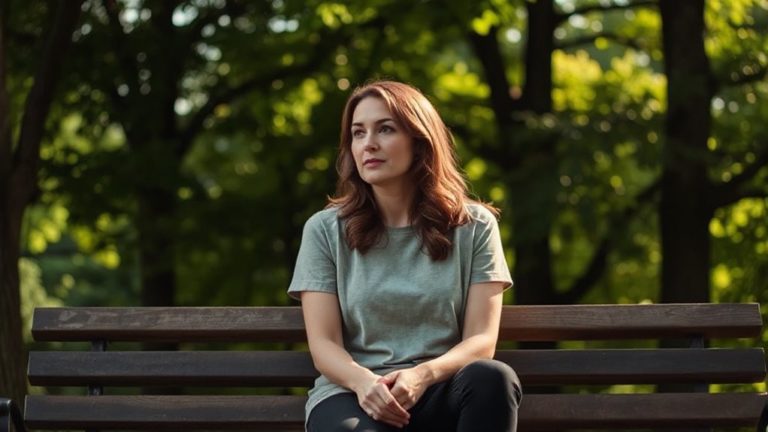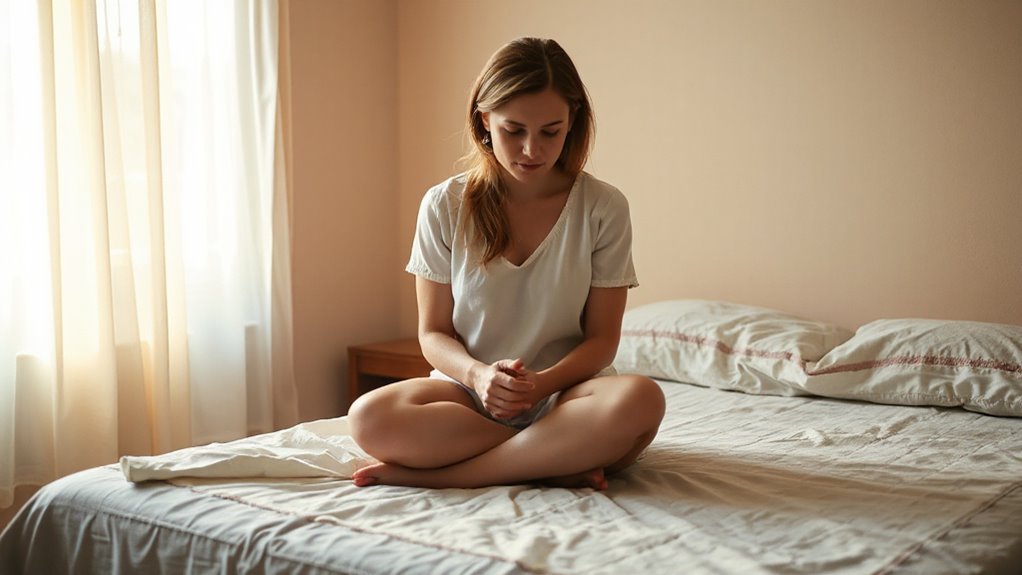




Nearly one in four adults who are currently unpartnered will remain single for the rest of their lives, according to Pew Research—a statistic that’s not meant to scare anyone, but it should probably get their attention.
The numbers tell a bigger story. Between 1990 and 2019, single adults aged 25 to 54 increased almost 10 percent. Never-married adults jumped from 17 percent to 33 percent. The Financial Times calls it a “relationship recession,” and it’s reshaping economies worldwide. Canada’s fertility rate hit 1.25 in 2024, tied directly to rising singlehood and GDP decline. This isn’t just about dating apps failing—it’s a demographic shift with real consequences. Some people respond by exploring alternative relationship structures like open relationships, which change how partnership and family are negotiated.
So why does this keep happening? Men stay single longer than women, often living with parents—31 percent of unpartnered men compared to 24 percent of women.
Higher education levels correlate with prolonged singlehood, which makes sense when people prioritize degrees over dates.
Lower current well-being also predicts longer single status, creating a cycle that’s hard to break.
Here’s the uncomfortable part: prolonged singlehood in young adulthood links to moderate well-being risks. Life satisfaction declines more steeply for long-term singles. Loneliness increases. Depressive symptoms don’t improve. The gap between singles and partnered peers widens the longer someone stays unattached. Entering that first relationship gets harder in the late twenties, not easier.
Singles often develop greater self-awareness, determination, and independence—legitimate rewards from self-investment. Energy redirected toward education and personal goals yields real benefits. But neutral attitudes toward relationships become a defensive stance, not a choice made from strength.
Economic outcomes lag behind for singles at prime working age. Unpartnered adults have lower earnings on average than their partnered counterparts. Housing, finances, education, health—correlations exist across the board.
As the aging singles population grows, aged care needs will spike without traditional family support structures.
The question isn’t whether someone can survive alone. Obviously they can. The question is whether choosing singlehood—or defaulting into it—leaves them better off long-term. The data suggests otherwise. Sometimes the blunt truth matters more than comfortable narratives about independence.