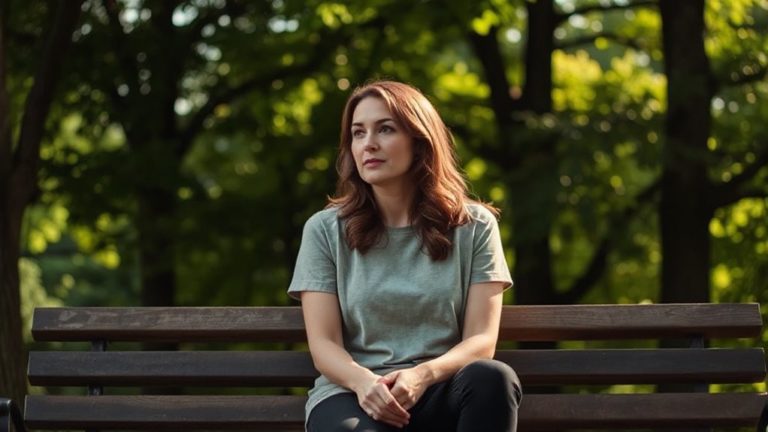




After a draining relationship, many people discover that jumping back into the dating pool feels less like an exciting fresh start and more like dragging themselves through quicksand. This isn’t weakness or laziness—it’s relationship burnout carrying over into the dating process, and it’s more common than most people realize.
Post-relationship exhaustion doesn’t vanish when you’re single again—it follows you into every swipe, message, and first date.
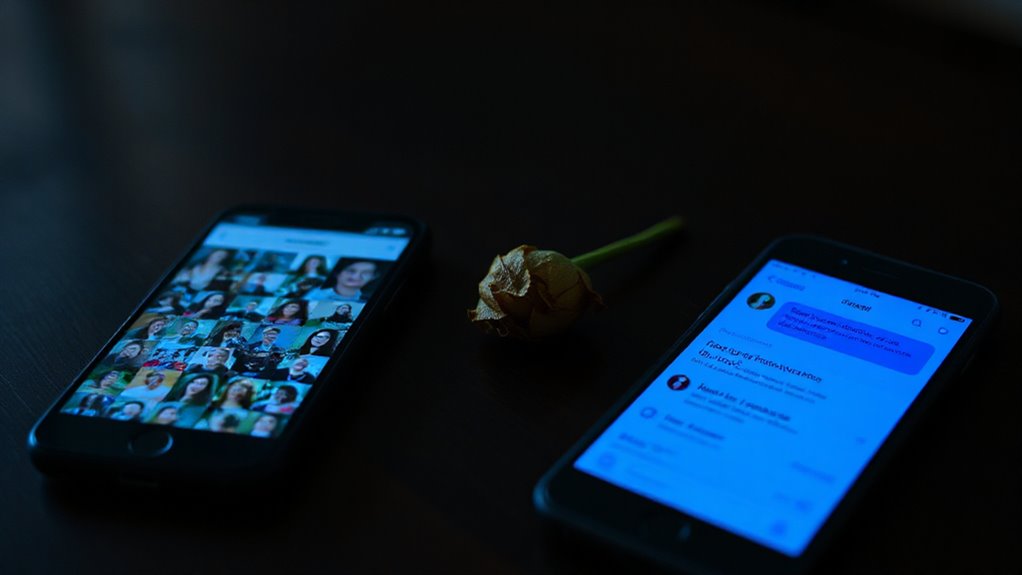
Here’s the thing: emotional depletion from prior relationships doesn’t magically reset when someone becomes single again. The exhaustion lingers. Someone who experienced constant conflict, reduced intimacy, or emotional withdrawal in their last relationship doesn’t suddenly bounce back with fresh energy. Instead, they often find themselves mindlessly swiping on dating apps, secretly hoping dates will cancel, or viewing the whole process as a chore rather than an opportunity. Social support helps speed recovery and buffers against prolonged emotional pain.
The statistics back this up. Nearly 30% of mental health issues cite relationship problems as a contributing factor, according to NIMH research. High-conflict relationships increase risks of depression, anxiety, and PTSD. Breakups themselves elevate depression and anxiety rates, especially among young adults. A 2024 study published in New Media & Society found that dating app users experience progressively increasing emotional exhaustion and inefficacy over time. The longer people swipe, the more drained they become.
This creates a vicious cycle. Dating fatigue leads some people to rush into new relationships before they’re ready, settling for inadequate connections simply because they’re too exhausted to keep searching. Others develop a burned-out emotional state that breeds complete disillusionment with dating altogether. The strong urge to give up entirely isn’t dramatic—it’s a predictable response to depleted emotional reserves. Entering relationships while emotionally depleted can increase the risk of experiencing burnout early in the new partnership.
Unresolved trauma and chronic stress complicate things further. Past stressors disrupt emotional regulation, alter attachment patterns, and modify communication styles in ways that affect new romantic interactions. Negative expectations from previous relationships create repeating patterns that feel impossible to escape. Without strong social support networks, recovery from relationship burnout becomes significantly more challenging, as these connections are linked to 50% better mental health outcomes.