
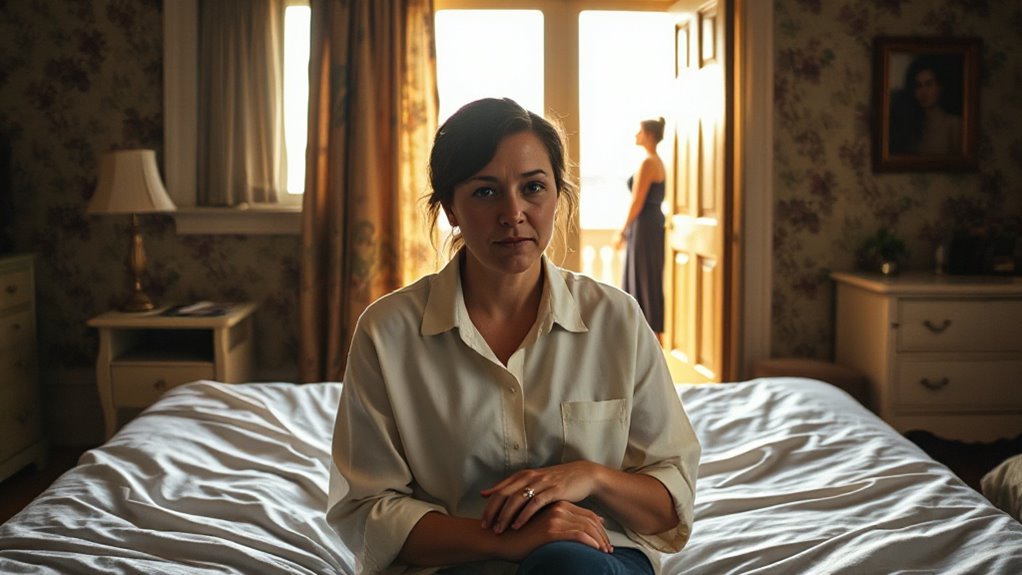


Choosing singlehood used to be something women whispered about, apologized for, or explained away at family dinners. Not anymore. More than half of single women in a 2024 AEI study reported being happier than their married friends. Nearly half of US women now say marriage isn’t necessary for a fulfilling life, according to Pew Research. The shift isn’t subtle—it’s seismic.
Women are no longer apologizing for being single—they’re embracing it as a deliberate choice that brings genuine happiness.
By 2030, almost 43% of working-age women are projected to be single. That’s not a fluke. Morgan Stanley forecasts a 1.2% annual increase in single females, outpacing overall US population growth of 0.8%. Women aren’t just staying single—they’re choosing it deliberately. They’re postponing marriage, divorcing later, and opting out of timelines that once felt mandatory. This trend is linked to greater emotional stability and higher relationship satisfaction when partnerships are chosen deliberately.
Why? Financial independence, for starters. Higher education access means women can build careers without needing a partner’s income. Two-income households became normalized because survival demanded it, but now women realize they can thrive solo. Add reproductive choices that let them delay or skip motherhood, and the traditional rush to settle down loses urgency. Legal changes that outlawed discriminatory bank practices in 1974 gave women the ability to open accounts, purchase homes, and build credit on their own terms.
The numbers back this up. Only 34% of single women actively sought romance in 2022, down from 38% in 2019. Women are less likely than men to prioritize finding love right now. They’re not anti-relationship—they’re anti-settling. Why date someone disrespectful or unequal when being alone feels better? Just 7% of single women report feeling judged for their status.
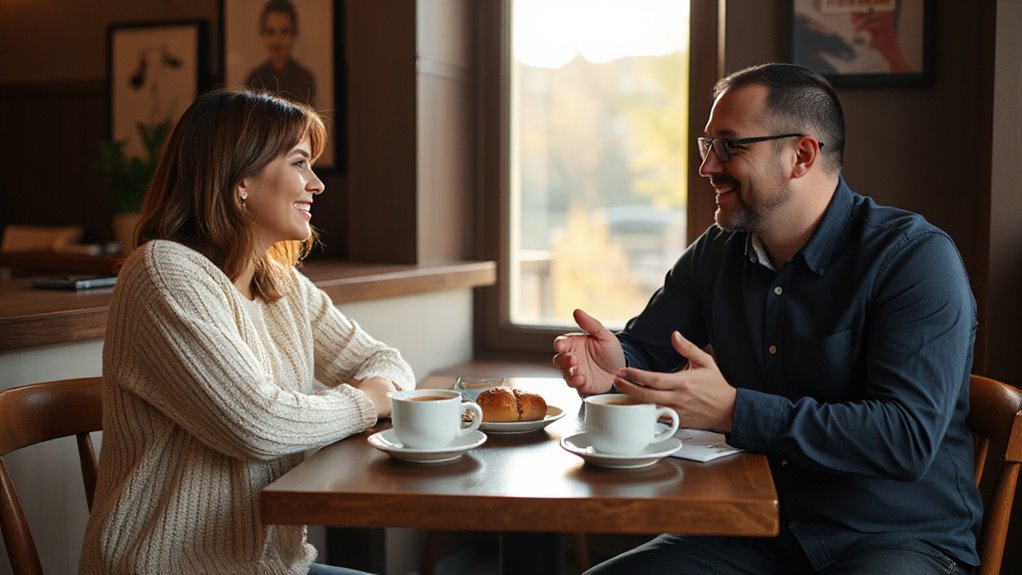
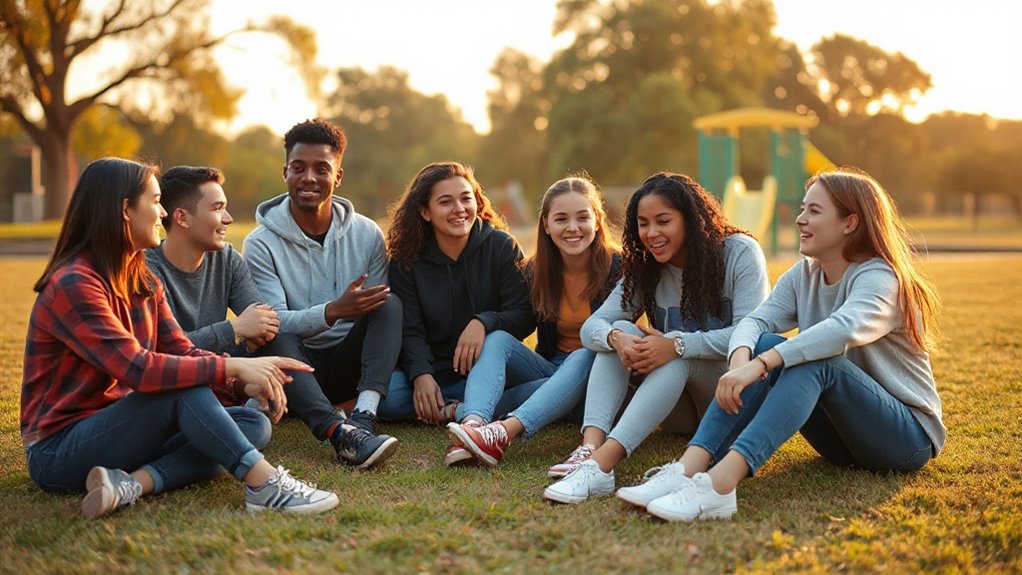
Therapists see this firsthand. Women are exploring singlehood as a valid choice, not a backup plan. They’re prioritizing self-care, friendships, and family over romantic partnerships. Dating experts note women feel empowered to approach relationships on their own terms, pursuing them only when they genuinely enhance life.
The cultural shift matters too. There’s a dearth of happily married role models. Singlehood no longer carries the stigma it did for past generations. Women invest in community and stability without needing a marriage certificate. They’re chasing aspirations, mental well-being, and personal growth instead of forcing romance into spaces where it doesn’t fit. The conversation isn’t about rejecting love—it’s about refusing to need it.