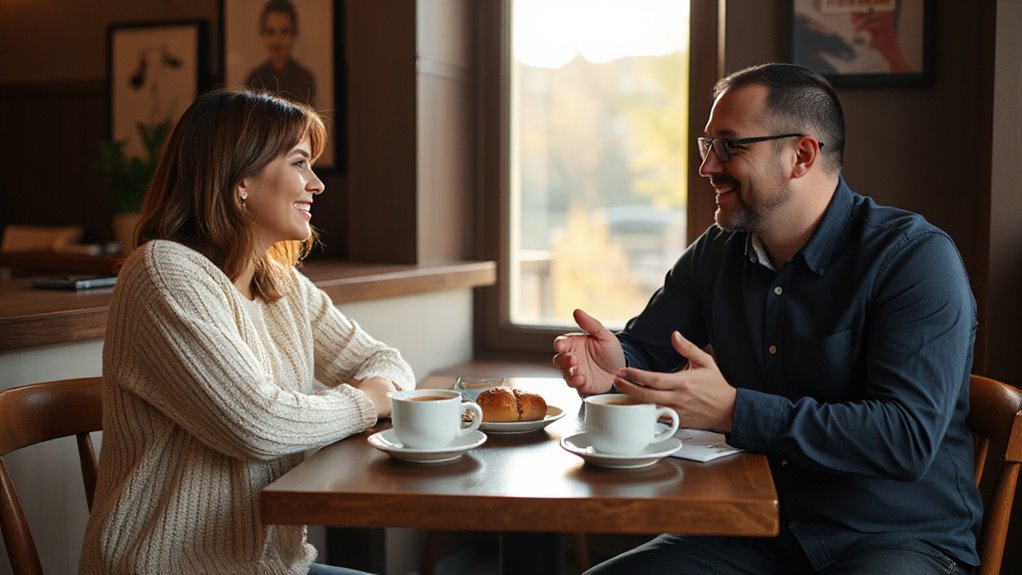




Despite promises of perfect compatibility and endless romantic options, digital dating platforms are systematically undermining the very intimacy they claim to facilitate. A thorough study tracking 6,646 individuals across 50 countries revealed a sobering pattern: people meeting online consistently report lower relationship satisfaction than those connecting in person. They experience love less intensely, with reduced intimacy, passion, and commitment. These findings hold true regardless of how long couples stay together or their demographic backgrounds.
The problem starts with how modern dating apps have shifted user behavior. Early online daters sought lifelong partners. Today’s users increasingly chase casual connections, prioritizing match quantity over relationship depth. This short-term mindset doesn’t just affect individual encounters—it perpetuates across entire platforms, creating cultures where nobody expects much substance. The swipe culture model compounds this issue by prioritizing physical attractiveness over deeper compatibility factors, shortening the thorough selection processes needed for lasting relationships. Maintaining frequent in-person contact is one factor shown to improve relationship survival, but digital habits often make that difficult to sustain, especially when travel costs or schedules get in the way.
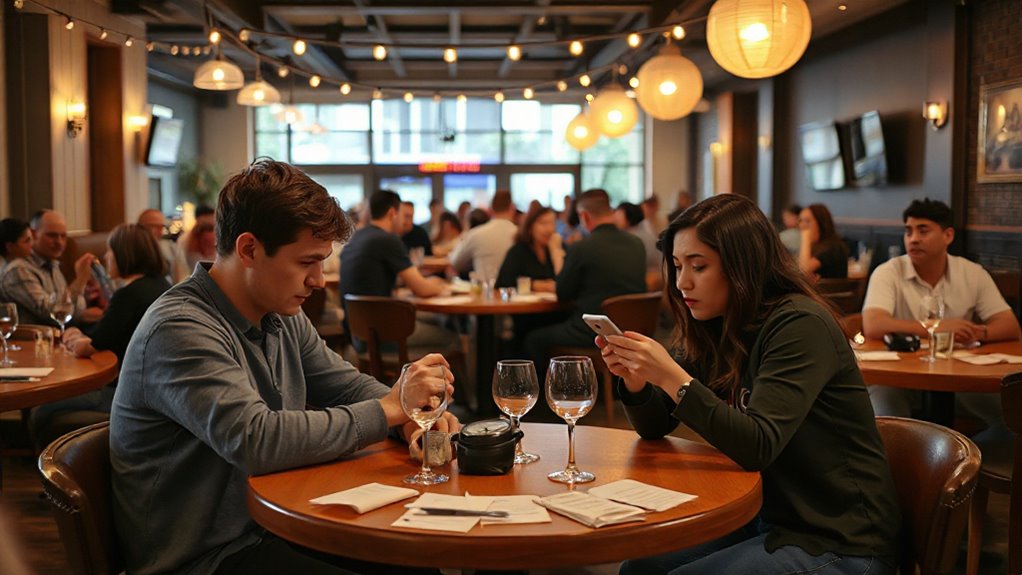
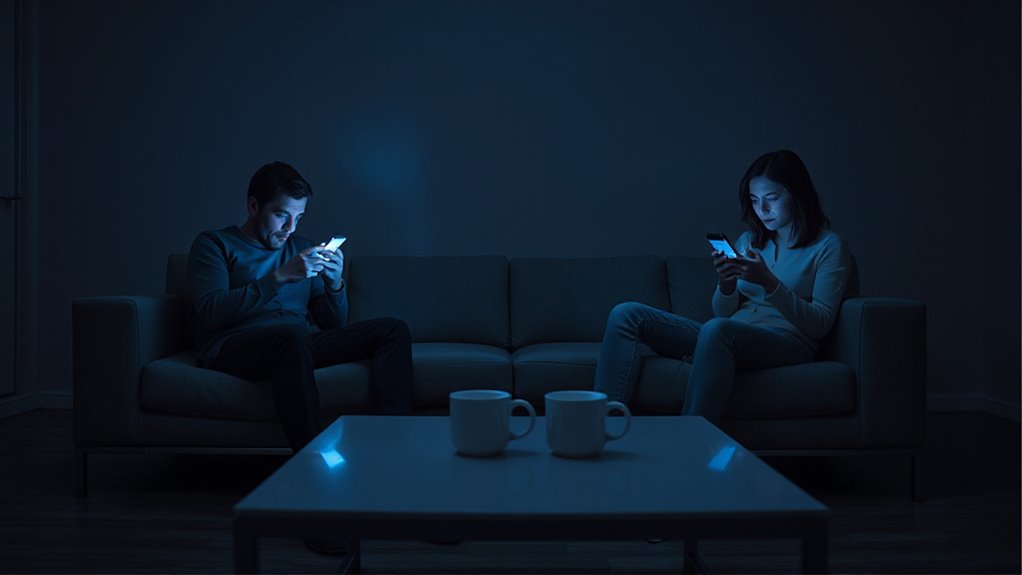
Then there’s technoference, the constant intrusion of phones and notifications into couple time. Research shows that days with higher technology interference correlate directly with worse relationship feelings, increased conflict, and negative moods. Even basic face-to-face interactions suffer when devices interrupt. The effect persists across genders and holds up even when accounting for depression or existing relationship problems. A comprehensive daily diary study tracking 173 romantic couples over two weeks found that perceived partner phubbing consistently diminished relationship evaluations on the same day it occurred.
Online communication also warps expectations in damaging ways. The accelerated intimacy development of digital messaging leads to excessive self-disclosure and unrealistic assumptions about partners. Anonymous communication encourages fantasy versions of people that reality can’t match. When couples finally switch from texting to in-person meetings, the disconnect produces measurably negative long-term outcomes.
The fundamental issue might be what’s missing entirely: nonverbal communication. Body language, vocal tone, physical presence—all the cues humans evolved to assess compatibility—disappear online. Red flags that would be obvious in person get masked by carefully crafted profiles and edited messages. Limited sensory information constrains genuine connection before it starts.
Social media compounds these problems. Among those with partners active online, 23% report jealousy or uncertainty from partner interactions. For ages 18-29, that number jumps to 34%. Digital dating isn’t just changing how people meet—it’s fundamentally altering their capacity for authentic intimacy, training users to settle for less while believing they’re getting more.