
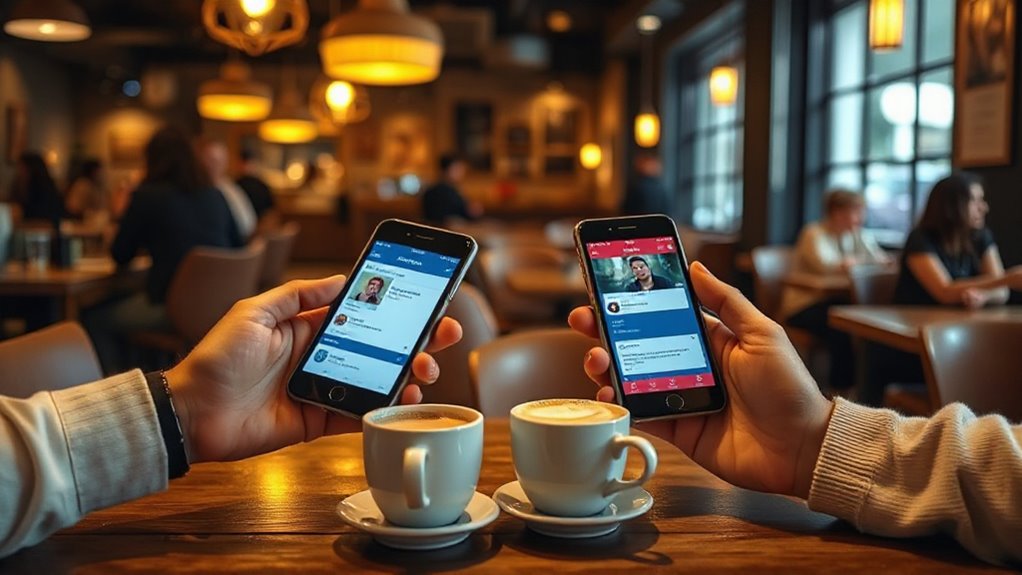
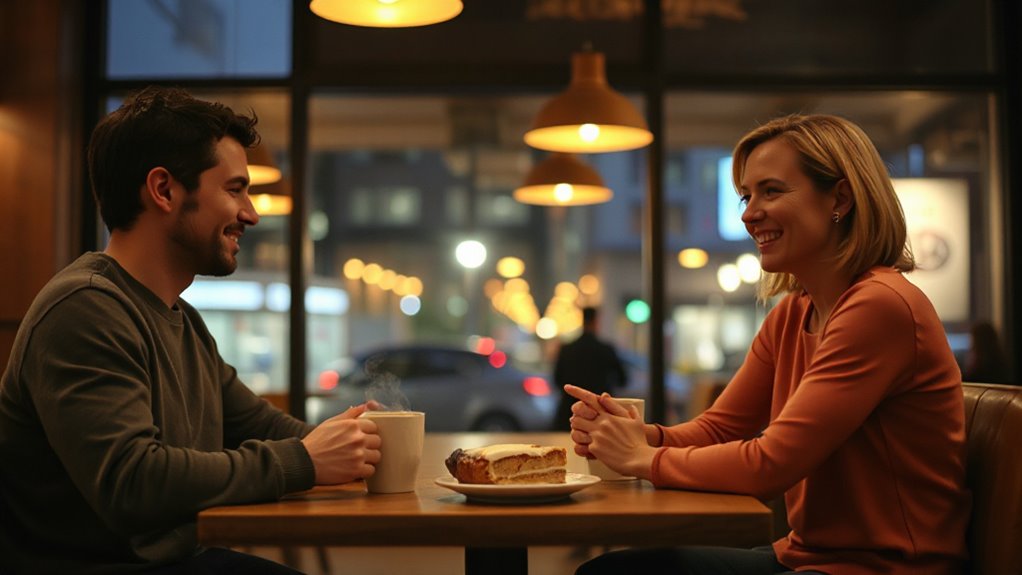



How did finding love become a numbers game where 350 million people worldwide swipe through potential partners like they’re ordering takeout? The brutal reality is that most dating app adventures don’t end in romance—they evolve into something unexpectedly valuable: genuine friendship.
Consider the math. With 48.7 million Americans trying online dating and an industry worth $6.18 billion, you’d think success rates would be higher. Yet only one in ten partnered adults actually met their significant other online. Those aren’t exactly encouraging odds for finding your soulmate. Moreover, the rise of apps has made meeting online as normal as traditional meetups, reflecting a major cultural shift in dating.
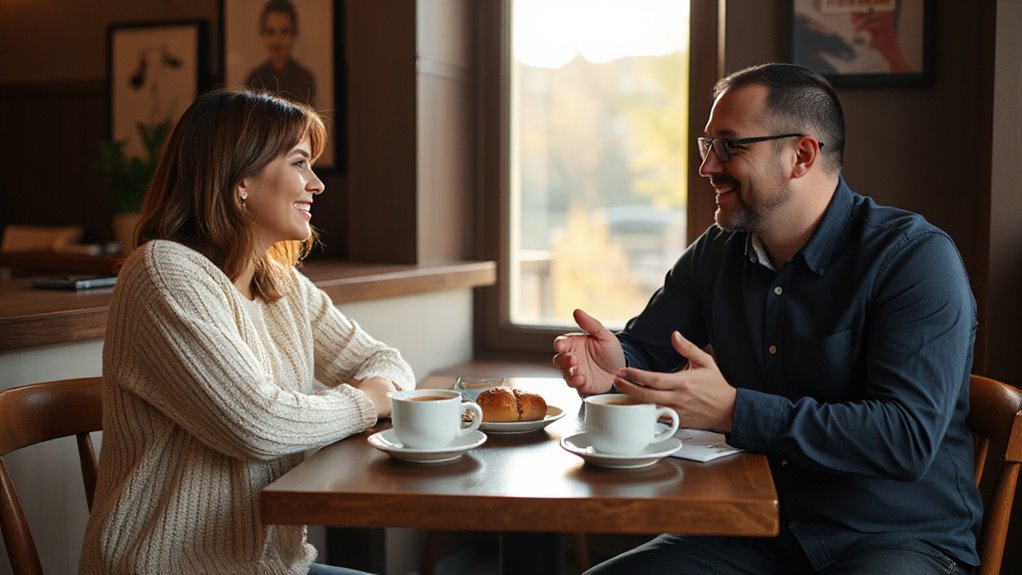
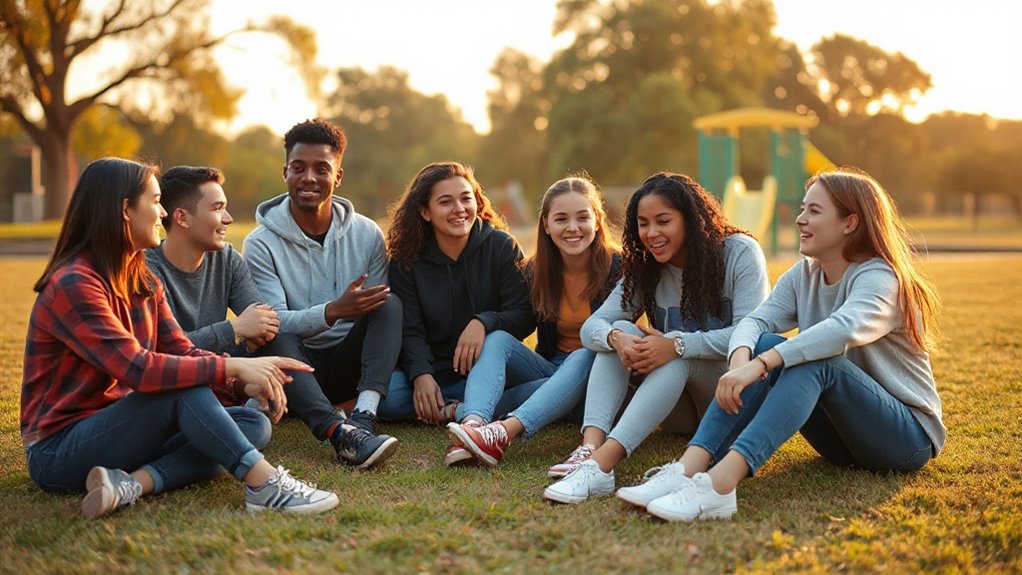
Here’s what’s really happening: 84% of users claim they want serious relationships, but 43% are simultaneously seeking friends. That overlap isn’t accidental. When romantic chemistry fizzles—and it often does—many discover they’ve connected with someone genuinely interesting as a person.
The platform you choose matters. Hinge, with its focus on meaningful connections and 23 million users, tends to foster deeper conversations than Tinder’s quick-swipe culture. But even Tinder users report that 80% seek serious relationships, suggesting people are more open to various connection types than the app’s reputation suggests.
Demographics play a role too. With 67% of users being men and uneven gender ratios across platforms, competition is fierce. When romantic prospects don’t pan out, the smart move is recognizing when someone could become a valuable friend instead. The pandemic accelerated the shift toward virtual dates, as people became more comfortable building connections through video calls before meeting in person.
The friendship pivot makes sense financially too. The average dater spends $243 annually on dating apps. Getting quality friendships from that investment isn’t settling—it’s maximizing value.
Women especially benefit from this approach, given they face excessive inappropriate messages and unwanted photos. Shifting focus from romance to friendship can reduce pressure and create space for authentic connections. In rural areas particularly, dating apps provide access to social circles that might otherwise remain unreachable.
Romance scam losses hit $1.14 billion in 2023, proving that desperation for romantic connection can cloud judgment. Approaching apps with openness to friendship reduces vulnerability while expanding social circles.
The truth? Your dating app “failure” might be your social life’s biggest win. Sometimes the best relationships start when you stop trying so hard to make them romantic.