

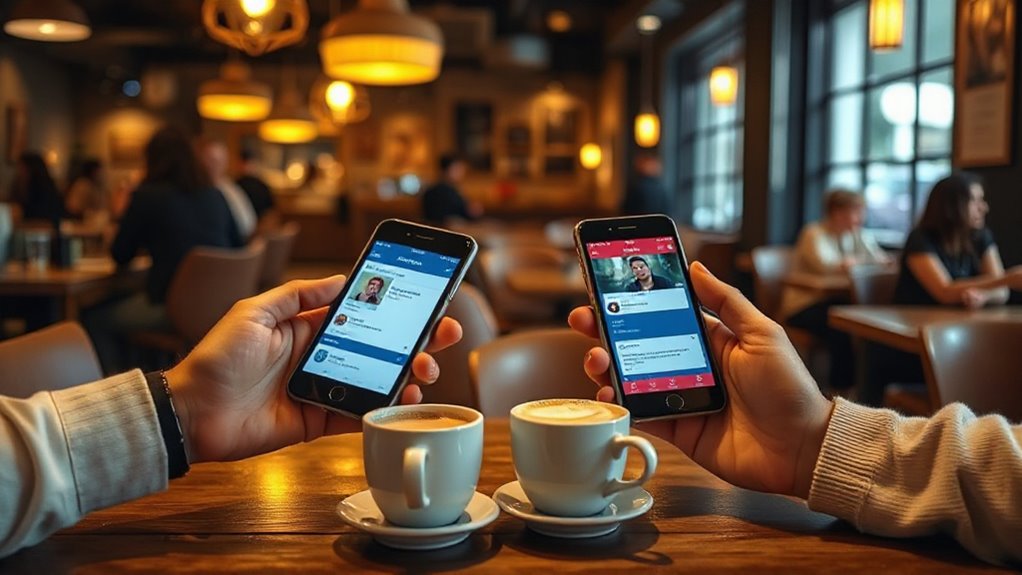



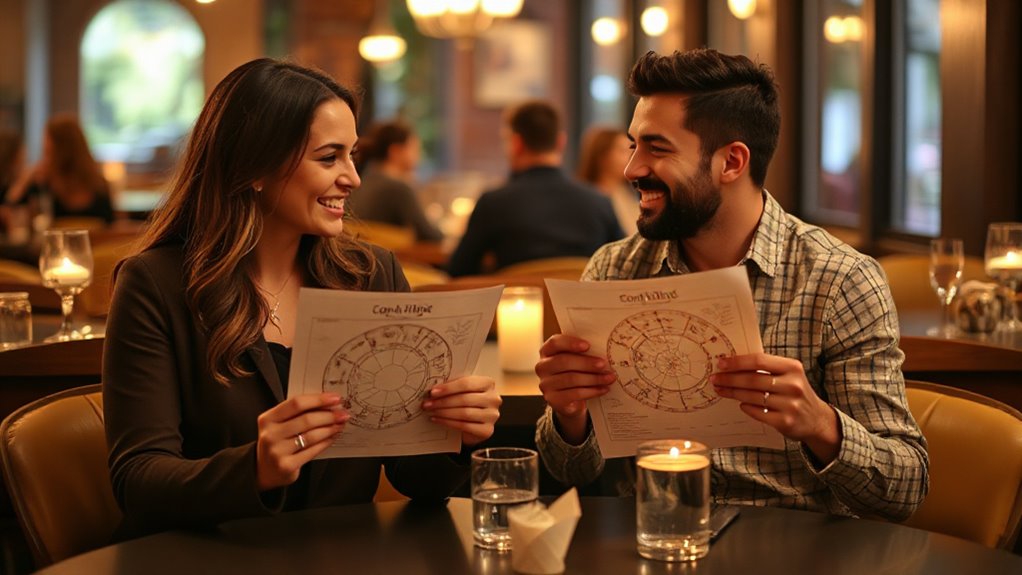


When should someone ask for a second date, and who should make the first move?
Dating experts agree the person who was asked out first should initiate the second date. It shows balanced interest and keeps things fair. Skip the outdated three-day rule—it’s garbage advice that creates unnecessary games. Starting with light topics like hobbies or weekend plans can help ease into more meaningful conversations on subsequent dates.
The sweet spot for scheduling? Five to eight days after your first date, though waiting up to two weeks is perfectly acceptable. Don’t rush into immediate plans like some desperate romantic comedy character.
Give yourself time to process the experience and decide if you genuinely want more.
Here’s where things get tricky: What happens when red flags start waving? Should you address concerning behavior directly or play it safe and ghost quietly into the dating abyss?
Red flags demand direct conversation, not cowardly ghosting into the digital dating void.
Experts strongly advise against ignoring warning signs. Instant love bombing, excessive compliments from someone who barely knows your last name, grand future promises, or pressure for intimacy are serious red flags. These behaviors often signal manipulation or emotional instability.
Playing it safe by avoiding confrontation might seem easier, but it enables bad behavior and wastes everyone’s time.
The healthier approach involves open, honest communication about concerns. If someone’s pushing boundaries or making you uncomfortable, say something.
Direct conversation reveals character faster than months of careful tiptoeing around issues.
Statistics show about 50-60% of first dates lead to second ones, but success depends heavily on addressing problems early rather than hoping they’ll magically disappear.
Discussing concerns openly creates healthier relationship dynamics and helps both parties understand compatibility. Remember that genuine chemistry often takes time to develop beyond those initial sparks, so don’t dismiss someone too quickly based on first impressions alone.
Interestingly, subconscious factors also influence second date success. Research shows ordering water instead of soda increases second date chances by 43%, while wearing rings on the ring finger boosts callback rates to 71%. Even something as simple as finishing your meal timing can signal consideration to your date. Paying attention to body language and reciprocal sharing can also indicate authentic interest and deepen connection.
These details matter more than people realize.
The bottom line? Balance caution with openness. Don’t ignore red flags hoping they’ll fade away—they rarely do.
Address concerns directly and respectfully. If someone responds poorly to honest communication, you’ve learned everything you need to know about their character.
Save yourself the future headache and move on to someone who appreciates straightforward conversation.