


Playful teasing that builds chemistry focuses on harmless quirks and shared inside jokes, not personal insecurities or sensitive spots. The key is creating a feeling like you’re both in on the same secret rather than one person being the target. Watch for body language and forced smiles—if someone withdraws, you’ve crossed the line. Keep it light, punch up not down, and mix in some self-deprecating humor to show you’re not taking yourself too seriously. Master this balance and discover how genuine connection truly develops.

While most people think teasing in dating is just harmless fun, the reality is far more complicated—and potentially damaging. The difference between playful banter that builds chemistry and cruel mockery that destroys trust often comes down to intent, delivery, and emotional safety.
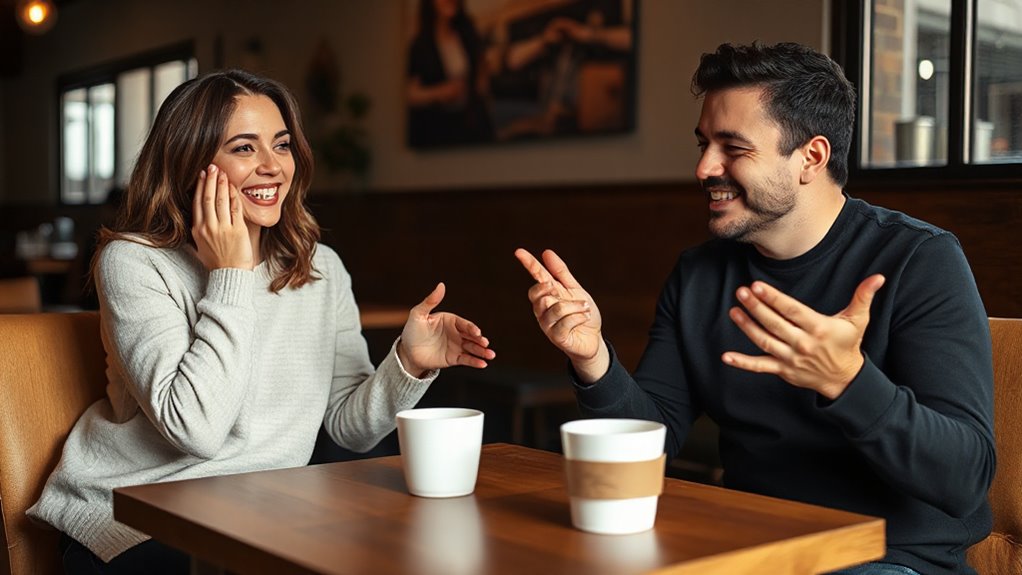
Playful teasing works when both people feel secure and respected. It should feel like an inside joke between friends, not a roast session where someone gets burned. The best teasing focuses on shared experiences or harmless quirks—like how your date always orders the most complicated coffee drink or their terrible sense of direction. Avoid personal insecurities, past traumas, or anything that makes them squirm uncomfortably. Maintaining an engaging conversation helps keep the teasing light and fun without crossing boundaries.
Good teasing feels like sharing an inside joke with a friend, not delivering a comedic roast that leaves someone feeling burned.
Chemistry flourishes when teasing creates connection, not distance. Light-hearted banter breaks tension, signals interest, and builds intimacy through shared laughter. When both people participate and enjoy the back-and-forth, it creates a sense of camaraderie that strengthens the relationship. The key is mutuality—teasing should never feel one-sided or mean-spirited.
Reading the room matters enormously. Pay attention to body language, tone, and responses. If someone withdraws, changes the subject, or gives you a forced smile, you’ve crossed a line. Public teasing requires extra caution because embarrassment amplifies hurt feelings. What feels playful in private might feel humiliating in front of others.
The foundation of successful teasing is emotional safety. Your partner needs to trust that you care about their feelings and won’t use their vulnerabilities against them. This means listening when they express discomfort, apologizing when you mess up, and adjusting your approach accordingly. Respect their boundaries, even if they seem overly sensitive to you. When teasing repeatedly targets the same traits or behaviors, it can lead to a negative self-image that persists long after the jokes stop. Even playful teasing can create emotional scars that influence future relationships and overall well-being.
Smart teasing follows simple rules: keep it light, focus on behaviors rather than character, and always punch up, never down. Use gentle humor instead of sharp sarcasm. Make yourself an occasional target too—self-deprecating humor shows you don’t take yourself too seriously.
Frequently Asked Questions
How Do You Know if Your Teasing Went Too Far?
Someone knows their teasing crossed the line when their date withdraws, avoids eye contact, or goes silent.
Body language shifts—crossed arms, frowning, turning away.
They might respond with sarcasm or hostility instead of playful banter.
The biggest red flag? They explicitly ask it to stop or bring it up later as hurtful.
Trust your gut—if the mood suddenly tanks, you probably pushed too hard.
What’s the Difference Between Playful Teasing and Flirting?
Playful teasing focuses on lighthearted banter without serious romantic intent—it’s about creating fun, relaxed vibes.
Flirting casts a wider net, including teasing but also direct compliments, lingering eye contact, and clear attraction signals.
Think of teasing as one tool in the flirting toolkit.
The key difference? Intent.
Teasing entertains and builds rapport; flirting actively pursues romantic interest and deeper connection.
How Often Should You Tease Someone You’re Dating?
There’s no magic number, but moderation wins.
Early dating calls for light, occasional teasing—maybe once or twice per conversation. As comfort builds, frequency can increase naturally.
The key? Match their energy and watch their reactions. If they’re laughing and teasing back, you’re golden. If they seem uncomfortable or withdraw, dial it back.
Quality beats quantity every time.
Can Teasing Backfire and Ruin Romantic Chemistry?
Yes, teasing absolutely can backfire and kill romantic chemistry. When someone crosses boundaries, misreads their partner’s humor style, or uses teasing to control rather than connect, hurt feelings replace attraction.
Women especially report finding targeted teasing more harmful than men do. Poor timing, personal attacks, or severe mockery trigger defensive responses that destroy trust and intimacy.
Is It Okay to Tease About Physical Appearance?
Teasing about physical appearance is risky territory that usually backfires. Research shows appearance-based teasing creates lasting mental health impacts, especially for women.
Even playful comments about looks can trigger insecurities and past trauma. Smart daters avoid physical appearance entirely and focus on personality quirks, silly habits, or harmless preferences instead.
The chemistry boost isn’t worth potentially damaging someone’s self-esteem or killing attraction instantly.