








What Peaceful Couples Do Differently During Disagreements?
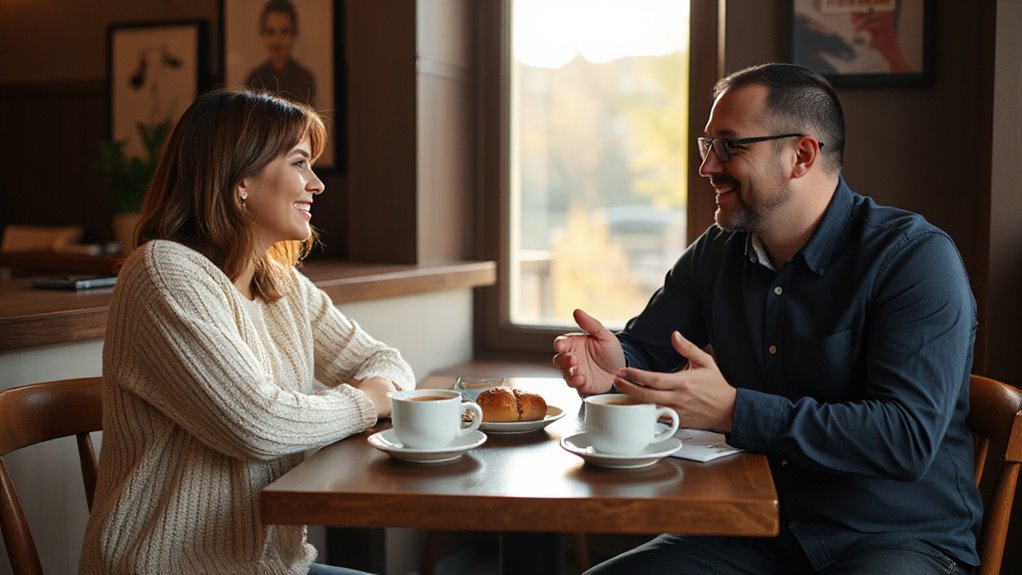
During a disagreement, peaceful couples do something most people completely skip—they treat the problem as the enemy, not each other.
Instead of lobbing blame across the room, they shift the frame entirely. It becomes “us versus this issue” rather than “me versus you.” That one mental move changes everything.
They swap accusatory language for inclusive words like “we” and “our problem.” Research backs this up—couples using a collaborative mindset resolve conflicts 35% faster. Studies show that combining listening and collaboration improves outcomes when issues persist, which peaceful couples intentionally practice as part of their approach to ongoing issues.
Sounds simple. It isn’t. But peaceful couples practice it anyway, because they’ve decided the relationship matters more than winning the argument. When tension rises, they also rely on small gestures or words to de-escalate—a brief hug, a moment of humor, or a simple “we’re in this together”—because repair attempts are what break the cycle before it spirals.
They also understand that conflict itself isn’t the real threat—leaving it unresolved is. Persistent unresolved conflict erodes trust and damages intimacy over time, which is why peaceful couples treat resolution quality as the true measure of relationship health.
Why Your Body Keeps Score During Relationship Conflict?
Screaming matches rarely stay in the present. The body keeps receipts. When conflict erupts, the amygdala—the brain’s alarm system—floods the body with stress hormones before conscious thought even registers what’s happening. This surge can be calmed over time through consistent physical affection and safety-building practices.
The prefrontal cortex, responsible for rational thinking, effectively goes offline. What’s left? Pure survival mode. Fight, flight, freeze, fawn. A partner’s tone or expression can trigger stored memories from childhood, and suddenly, a minor disagreement feels life-or-death.
One person’s nervous system is reacting to *then*, not *now*. That’s not weakness or drama. That’s wiring. Understanding this reframes reactive behavior as survival, not character failure. Beneath the reactivity often lies a deeper longing for safety, value, and connection that the conflict is threatening to take away.
Trauma histories frequently leave people without the emotion-regulation and stress-communication skills needed to navigate these moments without shame, blame, or escalation.
Why Carrying the Emotional Load Is Quietly Draining You
When the nervous system is already on high alert from conflict, something else is quietly happening underneath—one person is doing most of the emotional heavy lifting, and it’s costing them more than they realize.
Anticipating needs, keeping the peace, suppressing feelings, managing everyone else’s emotional temperature. That’s exhausting work nobody’s clocking.
A 2024 Fair Play Institute study found mothers handle 73% of cognitive labor.
Nobody assigned it. Nobody thanked them for it.
Over time, resentment builds, intimacy shrinks, and the person carrying everything starts feeling invisible. The person absorbing this load often finds themselves rarely being asked about their own well-being, even as they remain endlessly attuned to everyone else’s.
That’s not dramatic. That’s just what unrecognized labor does to a human being. Depressive symptoms and burnout are directly linked to carrying an unequal share of the mental load. Shared laughter synchronization and affiliative humor can lessen the strain by strengthening connection and reducing emotional distance.
Why Understanding Your Partner Matters More Than Being Right?
Underneath most arguments, there’s a need going unmet—and neither person is talking about it directly. Instead, they’re debating facts, defending positions, and keeping score. Nobody wins that game.
When partners focus on being right, emotional safety collapses fast. Vulnerability turns into defensiveness, and connection disappears entirely. Rebuilding trust after a breach requires consistent, honest actions over time, not speeches or promises, which helps restore reliability.
The smarter move? Get curious instead of certain. Validating a partner’s experience doesn’t mean agreeing—it means acknowledging their reality exists. Couples who prioritize understanding over winning build actual trust, affection, and intimacy over time. Being right feels satisfying for about five minutes. Feeling genuinely understood? That lasts considerably longer. Complaints and criticisms are rarely about the surface issue—they almost always disguise deeper feelings like loneliness, sadness, or feeling disconnected.
Even when one partner “wins” a fact-based argument, the other still walks away feeling misunderstood and invalidated, which means no real ground is gained in trust or connection.
Why Relationship Tension Is Actually Good for You?
Being understood feels good—but it doesn’t mean tension disappears. And honestly? That’s fine. Tension isn’t the enemy. Avoidance is. When couples actually fight, they’re signaling that the relationship still matters. Silence kills bonds slowly. Conflict keeps them honest.
Beyond that, working through friction builds real skills—better listening, clearer communication, sharper problem-solving. Every resolved argument is practice. Couples who master conflict lower their stress levels, build resilience, and feel closer afterward. The rupture-and-repair cycle genuinely deepens intimacy. Therapists often provide a safe, non-judgmental setting where couples can practice these exact skills before applying them independently. So tension, handled right, isn’t damage. It’s maintenance. The couples living in peace didn’t avoid conflict—they learned to use it. Consistently practicing gratitude and reconnection after conflict shields relationships from the slow erosion that habitual resentment quietly causes over time. Recognizing early warning signs like criticism masked as jokes or avoidance of commitment can help couples address problems before they escalate.