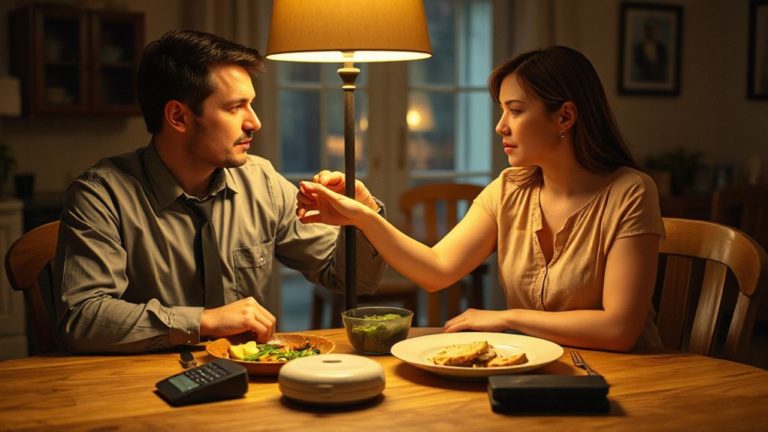




While Hollywood sells the fantasy of strangers locking eyes across crowded rooms, real romance usually has messier, more mundane origins. The truth? Most lasting relationships—around 66% to 68%—start as friendships, not lightning-bolt attractions.
Real love grows from ordinary moments and genuine friendship, not the cinematic fantasy of instant attraction across crowded rooms.
This percentage jumps to 85% among younger adults and LGBTQ+ individuals, suggesting that friendship-first romance isn’t some quirky exception. It’s the norm. Yet researchers have spent decades studying stranger-to-lover scenarios while largely ignoring the friends-to-romance pipeline. Talk about missing the obvious.
The timeline reveals something important about how real attraction works. These friendship-to-romance transitions don’t happen overnight. The median friendship lasts about 12 months before romance enters the picture, with some stretching to nearly two years. That’s genuine platonic territory, not some elaborate dating strategy. Interestingly, many long-distance couples find that emotional bonds strengthen over time despite physical separation.
Why does this matter? Because friendship provides what instant attraction can’t: actual knowledge of who someone really is. When romantic feelings emerge after months of genuine friendship, they’re based on personality, values, and proven compatibility—not just good lighting and clever conversation.
Nearly half of university students actually prefer developing romantic relationships through friendship rather than meeting at parties or online. They’re onto something. Friendship offers emotional security that makes vulnerability less terrifying. These relationships often develop better communication patterns and conflict resolution skills because the foundation was built on mutual respect, not just physical attraction.
The friends-first approach challenges cultural narratives about romance needing to be immediate and intense. Love at first sight makes for compelling movies, but it accounts for a tiny fraction of actual relationships. Most people enter friendships without romantic intentions, then find attraction growing naturally through shared experiences and deeper understanding. This gap between research focus and reality occurs because published academic journals overwhelmingly emphasize studies of romantic attraction between strangers.
This doesn’t mean instant chemistry is meaningless or that every friendship should become romantic. It means recognizing that the most reliable path to lasting romance often begins with something simpler: genuinely liking someone as a person. The friendship traits of mutual responsiveness, equality, and caring established before romance contribute significantly to relationship satisfaction. The sparks, when they eventually come, burn brighter because they’re fueled by substance rather than fantasy.
Sometimes the best love stories start with the most ordinary beginnings.