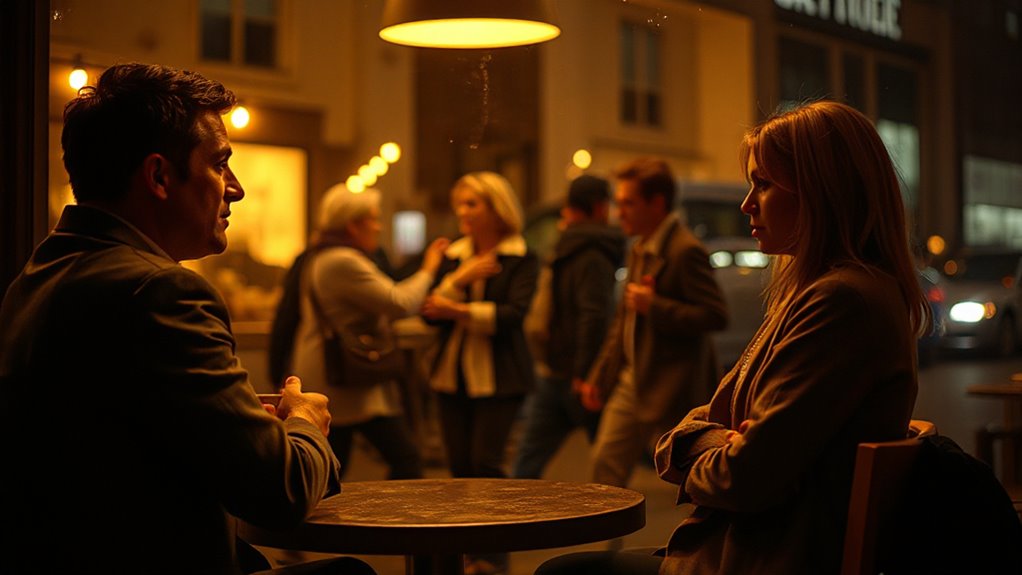


In the span of just one year, something unexpected happened: men stopped apologizing for being single. By 2026, a massive shift took hold. Men chose singleness for peace, freedom, and happiness. No drama, no eggshells, no constant criticism. The results? A 34% decrease in anxiety and depression symptoms among men who left toxic relationships. They redirected money once spent on dinners, gifts, and vacations into investments, retirement accounts, and side businesses. Financial independence became the new dating strategy.
Men traded relationship drama for mental health gains, redirecting resources from dating expenses into wealth-building and personal freedom.
The numbers tell the story. In the UK, 72% of singles report feeling happier post-pandemic, citing more freedom. An Ally Bank survey found 68% of singles content with their status despite financial worries. In England and Wales alone, over 28 million people are single. The highest rates cluster among those aged 25 to 29, hitting 78.7%. Cities like Manchester, Oxford, and Cambridge lead with single rates above 50%. Globally, the single population rose by at least 100 million in the past decade. Recent studies also show that consistent behavioral changes are more effective than empty promises when people commit to personal growth.
Men recognized the bar in dating had risen sharply. Some leveled up. Others opted out entirely. Only one in three eligible young adults is dating now. The median age for first marriage climbed to 30, and marriage chances drop markedly past 40. Many men find singleness genuinely enjoyable without pressure to couple. They build confidence, bodies, and wealth without chasing validation. For those pursuing entrepreneurship, singleness offers freedom to pivot quickly into side hustles and startups without family constraints.
The mental health data complicates the picture. While 72% report more freedom, loneliness is rising universally with no notable gender gap—16% of men, 15% of women. Fifteen percent of men report having no close friends. Men communicate less with friends and receive half as much emotional support as women. Yet single men still report happiness from leveling up independently, valuing peace and progress over relationships.
The culture is shifting. Finding a partner is no longer essential, and staying single carries no embarrassment. Women have become self-sufficient while men remain overly reliant on relationships, contributing to the singleness choice. The proportion of adults never married rose from 26.3% in 1991 to 37.9% in 2021. The 2026 trend is clear: mental health, money, freedom, and peace outweigh coupling.