

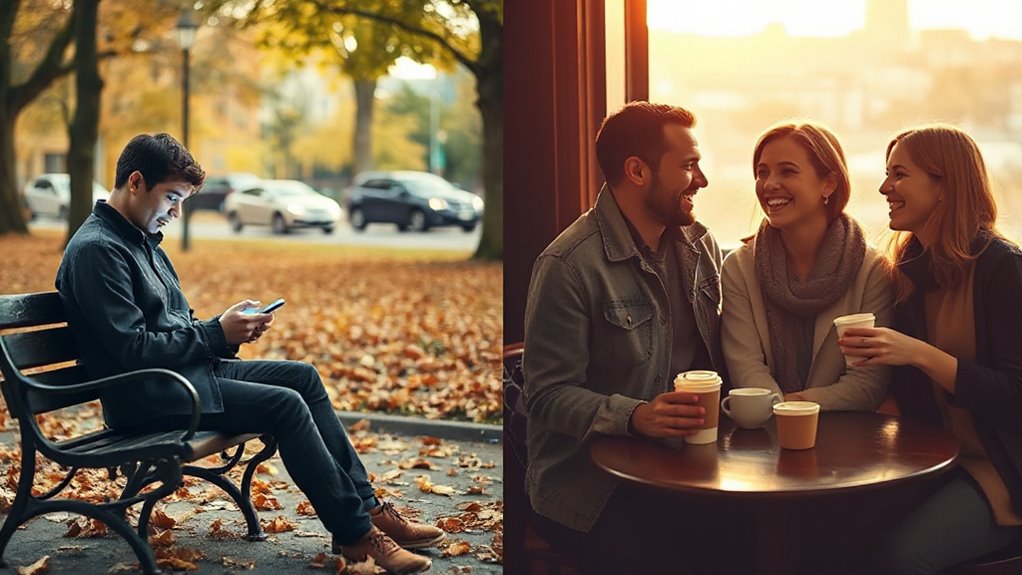
When did Americans decide that actually talking to each other became too much work? The numbers don’t lie. We’re sending 32 texts daily but making only 6 calls. Three out of ten people would ditch phone calls entirely if they could keep texting. We’ve officially chosen typing over talking, and the shift isn’t slowing down. This trend reflects a broader cultural shift toward changing communication preferences in the digital age.
The preference data tells a brutal story. Eighty-three percent of consumers now prefer texting over email or calls for basic communication. When dealing with businesses, 31% want to text customer service reps instead of enduring phone trees and hold music. Face-to-face contact? People prefer texting three to eight times more often. We’re actively avoiding human voices.
WhatsApp dominates this new landscape with nearly 3 billion monthly users globally, processing 130 billion messages daily. That’s not counting the 19 billion media files people share or the 6.5 billion videos flying around every 24 hours. Users open the app 23 times daily and spend 38 minutes scrolling through conversations. These aren’t casual numbers.
The engagement rates explain why businesses are jumping aboard. Text messages get a 98% open rate, with 95% read within three minutes. Email can’t compete. Millennials open texts within 90 seconds, and text engagement runs six to eight times higher than email. Eighty-four percent of consumers have opted into business texting, up 35% since 2021. Americans are checking their phones over 200 times daily, reinforcing how central mobile communication has become to our daily routines.
But here’s what this shift really means for instant connection: we’re getting faster responses at the cost of deeper communication. Voice calls on WhatsApp average 9.7 minutes, suggesting people still need real conversation when issues get complex. Video calling grew 20% year-over-year, proving we haven’t completely abandoned seeing each other. WhatsApp’s dominance spans 65 countries, demonstrating this communication shift is truly global.
The reality is messaging apps deliver convenience and control. You can respond when ready, avoid awkward small talk, and multitask freely. Businesses get higher customer satisfaction rates through WhatsApp than traditional channels. But we’re trading spontaneity and nuance for efficiency and comfort.
The question isn’t whether messaging will continue dominating—it’s whether we’ll remember how to have unscripted conversations when we actually need them.