







Every person walking this planet carries invisible wounds from childhood—unmet needs that never quite healed, trauma that left its mark, families that fell short of perfect. These soul wounds don’t disappear when someone finds love. Instead, they become the foundation for something surprisingly profound.
Two wounded people finding each other isn’t coincidence. Research shows partners attract based on matching psychological wound levels, drawn together by an unconscious recognition of shared pain. Stress hormones like cortisol actually influence attraction, creating an invisible bond between those who’ve suffered similarly. The brain doesn’t lie about these connections. Interestingly, couples often cohabitate after a period of alignment on expectations, which further deepens their bond through shared commitment and understanding of future plans.
Wounded souls recognize each other instantly—cortisol and shared trauma create invisible bonds that transcend conscious choice.
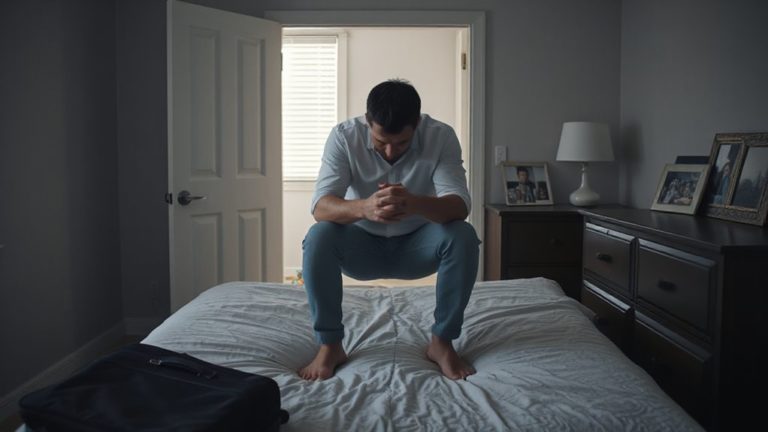
When heartbreak strikes, the same regions that process physical pain light up like Christmas trees. Emotional wounds get recalled with more vivid detail than physical injuries, occupying up to 85% of waking thoughts after romantic loss. This intensity isn’t weakness—it’s proof of how deeply these connections run.
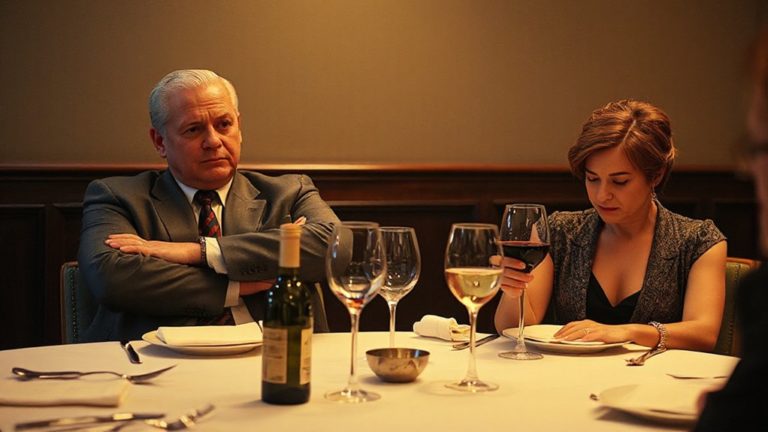
Perfect relationships are myths anyway. Those picture-perfect couples who seem to glide through life without conflict? They’re either lying or haven’t dug deep enough to find their issues yet. Real intimacy requires vulnerability, and you can’t be vulnerable without acknowledging your wounds. The truth is that healthy conflict resolution transforms disagreements into opportunities for deeper understanding rather than avoiding them altogether.
Wounded souls who commit to healing together create something extraordinary. They understand each other’s triggers because they’ve felt similar pain. When one partner’s childhood abandonment fears surface, the other recognizes it instantly. This recognition doesn’t eliminate conflict, but it transforms it.
The key lies in moving from reactivity to intentionality. Instead of letting past wounds control present responses, healing partners learn to separate yesterday’s emotions from today’s reality. They develop what attachment theory calls corrective experiences—moments where old wounds get new, healthier responses.
This process demands brutal honesty. Both partners must identify their wounds without shame or blame, then take responsibility for their healing. Love does not require accepting destructive behaviors simply because you understand the pain behind them. The alternative is recycling emotional drama indefinitely, trapped in cycles where each person’s pain triggers the other’s defenses.
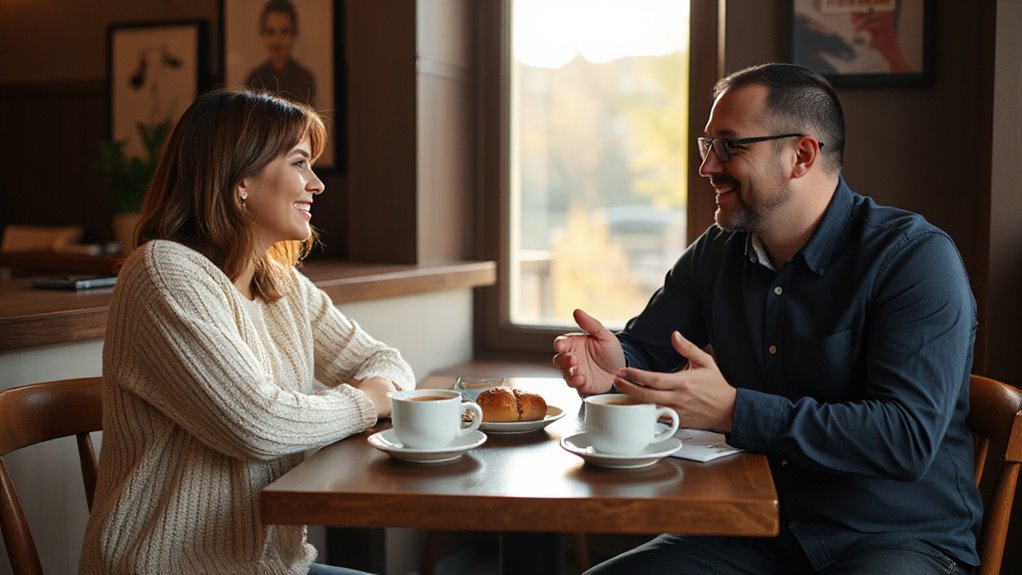
When two wounded souls choose healing over hiding, they create relationships with depths that surface-level connections can’t match. They’ve seen each other’s darkness and chosen to stay. That’s not dysfunction—that’s transformation. Couples who communicate openly about their needs and boundaries, including personal space and expectations, often find stronger trust and intimacy.