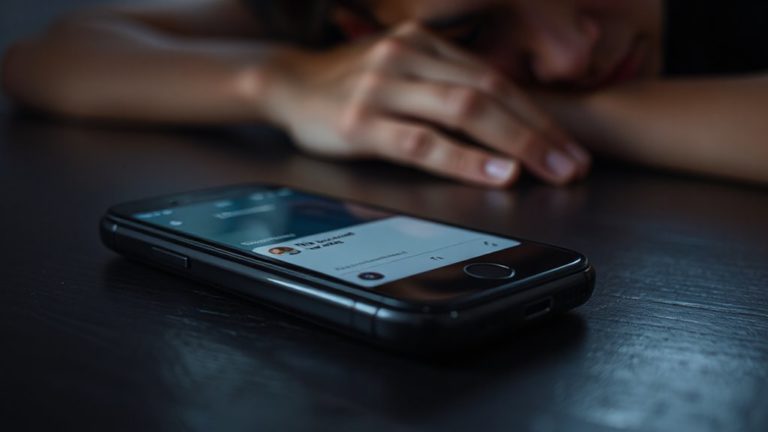

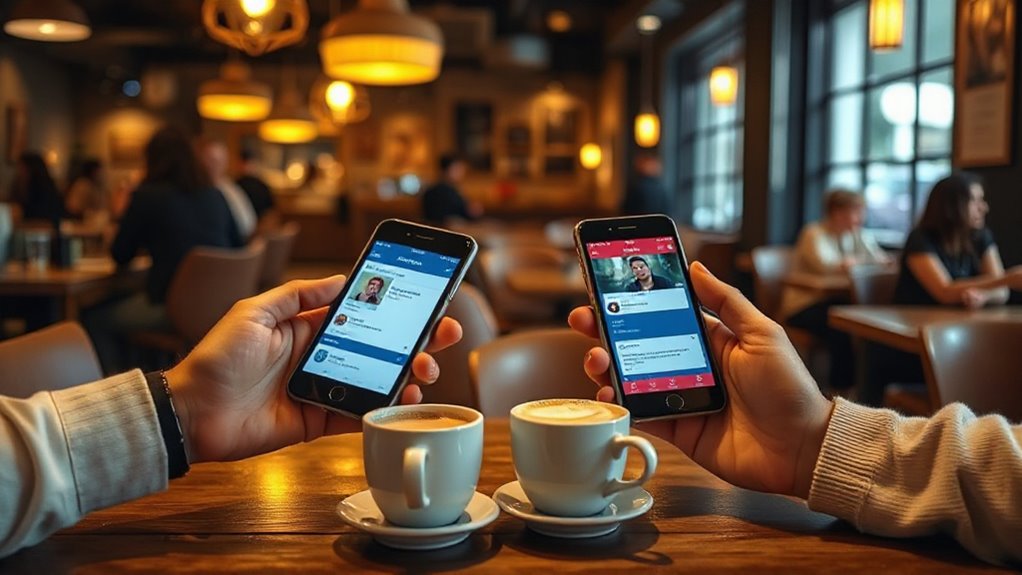






When relationships crash and burn, most people stumble around like emotional zombies, wondering if they’ll ever feel human again. The truth is, getting dumped by someone who stopped loving you hits differently than other types of heartbreak. Research shows that 43.4% of people experience notable well-being declines after breakups, and there’s a brutal reason why rejection stings so much. Online dating has changed how people form romantic connections, sometimes intensifying emotional experiences due to decision fatigue.
Understanding why someone stopped loving you actually matters more than you might think. People who grasp their breakup reasons show fewer depressive symptoms years later and report better relationship satisfaction down the road. The problem? When someone just falls out of love, there’s no clear villain, no obvious mistake to learn from—just the crushing reality that you weren’t enough to keep their interest.
Here’s where it gets worse. If you had serious future plans together, you’re in for a rougher ride. High commitment and marriage plans correlate with steeper mental health declines post-breakup. Your brain invested heavily in a future that vanished overnight, leaving you to grieve not just the person but the life you’d mapped out together.
The recovery timeline isn’t as hopeless as it feels. About 71% of people feel better after three months, with most success stories happening between five to seven months. But here’s the kicker—staying in contact with your ex delays emotional detachment considerably. Those late-night text exchanges and “casual” coffee meetups? They’re sabotaging your healing.
Women typically experience more immediate emotional pain but recover more completely than men. The key is accepting that wanting the breakup minimizes psychological distress, while fighting reality maximizes it.
Dating someone new correlates with smaller well-being declines, but jumping into relationships doesn’t accelerate recovery—it just provides distraction. However, people who maintained higher relationship quality beforehand tend to bounce back more easily from the emotional fallout. The growing popularity of online dating platforms means many now seek new connections digitally, which can influence how quickly people move on.
The path forward requires brutal honesty. Stop analyzing why they stopped loving you and start building a life they’d regret missing. Cut contact completely, invest in your own growth, and remember that their inability to love you says nothing about your worth. Romantic dissolutions can paradoxically trigger posttraumatic growth, where you bounce back to higher functioning than before the trauma. Emotional bonds fade to stranger levels after about four years anyway.
The question is whether you’ll spend that time rebuilding or wallowing.