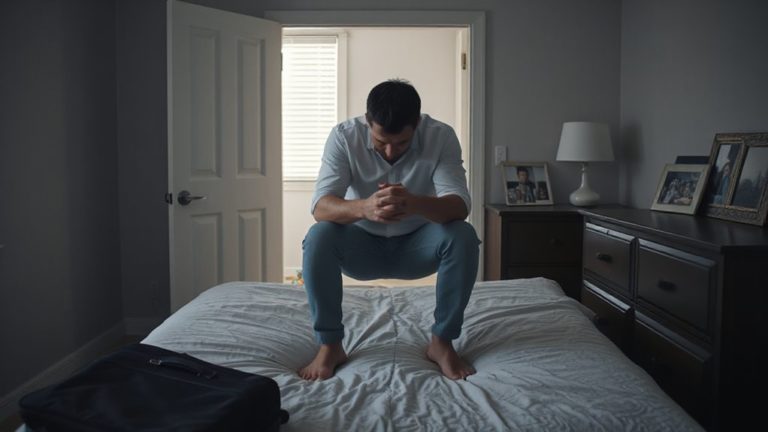



Why do some couples seem to glide through life’s storms while others crumble at the first sign of turbulence? The answer lies in emotional connection—something far more complex and powerful than most people realize.
During the pandemic, couples spent over 20 additional hours together weekly. This forced proximity revealed a harsh truth: only 18% were satisfied with their communication quality. Meanwhile, 68% prioritized deepening emotional connection, up from 55% before COVID-19. The increased time together strengthened 50% of marriages but weakened 29%. Quality time alone doesn’t guarantee connection.
Proximity doesn’t equal connection—pandemic couples spent 20 extra hours together weekly, yet only 18% were satisfied with their communication quality.
The real culprit? Poor listening skills. When partners listen poorly, a measly 0.9% of people feel emotionally connected. Good listeners flip this completely—over 60% of their partners feel close and connected. Even more telling: 95% of people with poor-listener partners have unexpressed emotional needs, compared to just 5% who feel comfortable expressing needs with poor listeners versus 32% with good ones.
This isn’t just relationship fluff—it’s brain chemistry in action. When couples look at each other, dopamine floods reward centers. Early love triggers heightened cortisol and lowered serotonin, creating those obsessive, can’t-stop-thinking-about-them feelings. Touch and sex release oxytocin and vasopressin, literally rewiring the brain for attachment and security.
But here’s where it gets tricky. These neurochemicals shift over time, moving from passionate intensity to steady attachment. Many couples mistake this natural evolution for lost connection, when it’s actually the foundation for something deeper.
The stakes couldn’t be higher. A staggering 74% of adults turn to their partner first for emotional support. When that connection fails, people suffer in silence. Poor communication ranks as the biggest relationship challenge for 65% of couples. The research shows that improving listening skills increases relationship success by a 43-fold increase. This challenge becomes even more pronounced as 50% of couples report mental health issues like anxiety or depression affecting their relationship dynamics.
Yet couples who actively work on communication see dramatic results—50% increases in relationship satisfaction. Emotional connection doesn’t just make relationships nicer; it makes them antifragile. Connected couples develop what researchers call the ability to “turn towards each other” during conflicts, transforming potential relationship killers into opportunities for deeper understanding.
The path forward is surprisingly simple: listen better, express needs clearly, and recognize that true connection requires both vulnerability and skill.