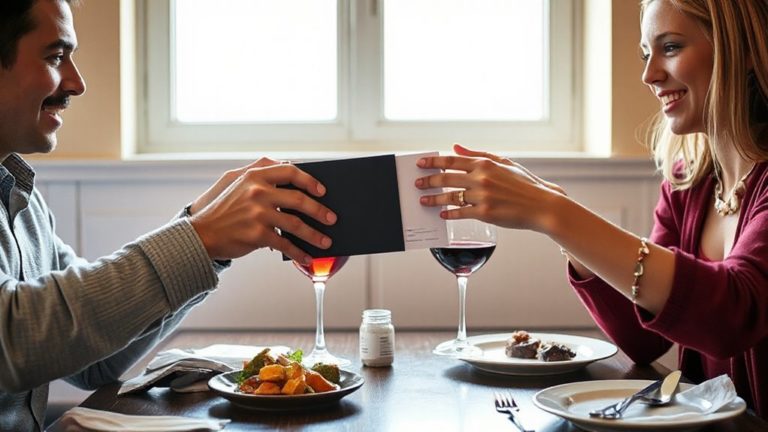


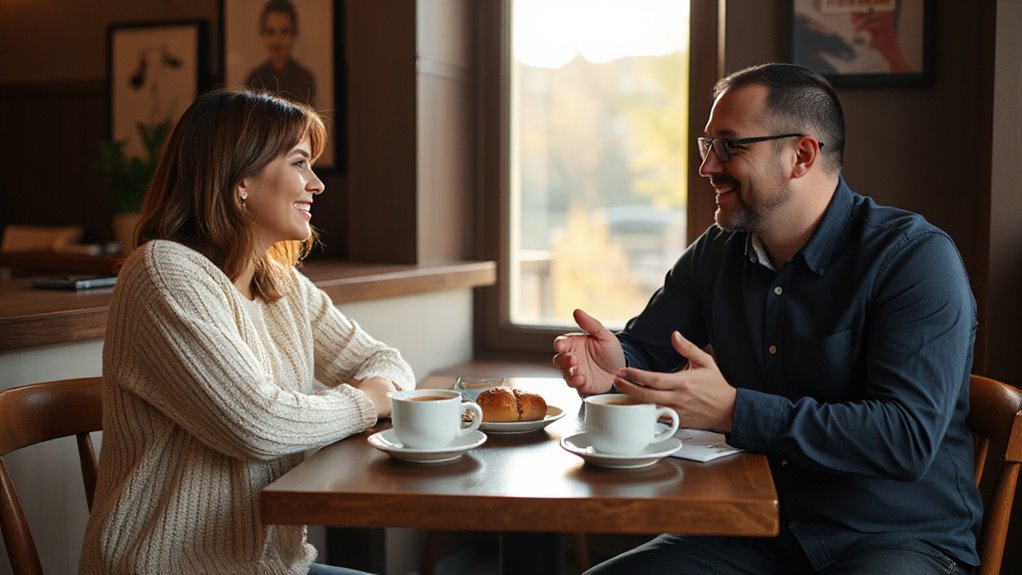



While most people think the friendzone happens gradually over weeks or months, the brutal reality is that 51% of daters make that call within the first hour of meeting someone. That means your romantic fate gets sealed before dessert arrives, before you’ve even warmed up, before you think the real date has started. This rapid judgment is one reason why online dating effectiveness is often debated when it comes to building genuine connections.
The numbers don’t lie about who’s doing the friendzoning either. Women friendzone potential partners 62% of the time compared to men’s 40%. So yes, statistically speaking, women are more selective about crossing that line from friend to romantic partner. But here’s the kicker—50% of young women in relationships actually dated friends first, and 65% of heterosexual couples started as friends. The friendzone isn’t always permanent.
So why does it happen? Physical attraction tops the list at 71%. No amount of charm fixes that initial spark issue. Poor conversation flow hits 32% of cases, while bad manners tank 27%. For women specifically, lacking a sense of humor kills prospects 28% of the time. Living with your parents? Only bothers 6%, so stop using that as an excuse.
The decision timeline is brutal but predictable. Only 10% of people take longer than three dates to make their call. If you’re not clicking by date three, you’re probably not clicking at all. Even worse, 97% of friendship confessions end in rejection when someone tries to escape the friendzone later.
What happens after you get friendzoned? About 25% continue the friendship unchanged, while another 25% cut ties immediately. Only 6% become closer friends, and fewer than 3% ever become couples. The average one-sided love situation drags on for 10-17 months, with obsessive cases lasting up to three years.
The harsh truth is that most romantic connections get decided fast, often before you realize you’re being evaluated. Women are statistically more likely to friendzone, but they’re also more likely to date friends eventually. The key difference? Those successful friend-to-partner transitions typically happen naturally over time, not through desperate confessions after months of unrequited feelings. Research shows that friends are significantly less likely to perceive date-like interactions as romantic, even when the setting and context suggest otherwise. Smart daters who want meaningful relationships fill out detailed profiles and search criteria to increase their chances of matching with compatible partners from the start.