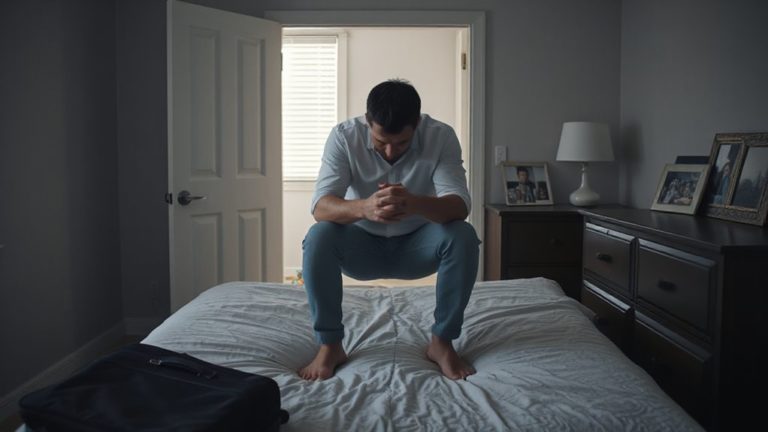









Distressed couples who don’t get treatment show almost no improvement on their own. That’s the cold reality. Research shows waitlist couples—meaning people who want help but haven’t gotten it yet—barely budge in relationship satisfaction. Meanwhile, couples who actually go to therapy see massive gains, with the average person ending up better off than 70 to 80 percent of untreated individuals. The effect is real, measurable, and frankly, kind of obvious when you think about it.
Distressed couples left untreated barely improve, while those in therapy end up better off than 70 to 80 percent of untreated couples.
But here’s where it gets interesting. Couple therapy doesn’t just fix your arguments or teach you to communicate without wanting to strangle each other. It improves individual mental health too. Depression, anxiety, stress—therapy targeting the relationship often handles these as well as traditional individual treatment or medication. When your relationship is a mess, it drags everything else down with it. Fix the relationship, and suddenly you’re sleeping better, feeling less irritable, maybe even liking yourself again. Combining approaches like improving active listening and emotional regulation enhances those benefits.
The benefits extend to specific problems most people assume need specialized help. Sexual difficulties? Therapy works. Recovering from infidelity? Methods like Gottman can rebuild trust and conflict management. Even couples dealing with infertility see reduced relational complaints and better emotional intimacy. The research is clear: addressing the relationship directly tackles a surprising range of issues that seem unrelated at first glance. These improvements show up not just in what couples say about themselves but also in observed communication patterns, meaning trained professionals watching actual interactions can spot the difference.
Now, the bad news. Real-world settings don’t match the pristine conditions of controlled studies. Effectiveness drops when therapy moves from research labs to community clinics. And about half of couples see their gains fade over several years. Therapy isn’t magic, and it doesn’t inoculate you forever.
Still, the takeaway is simple. If your relationship is struggling, doing nothing guarantees stagnation. Spontaneous remission barely exists for distressed couples. Therapy, despite its limitations, delivers results that waiting around never will. And those results ripple outward, improving not just how you relate to your partner but how you feel about yourself, your mental health, and your ability to handle life’s curveballs. Relationship distress is also linked to greater risk of mood and anxiety disorders, creating a feedback loop where relational problems worsen mental health and vice versa. Sometimes fixing “us” is the fastest way to fix “me.”