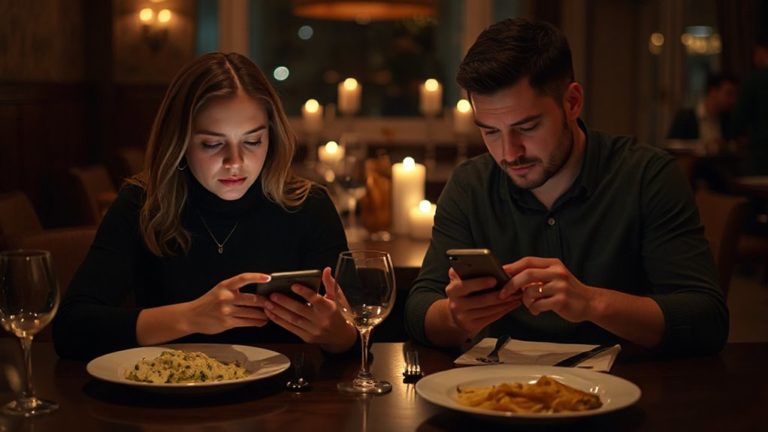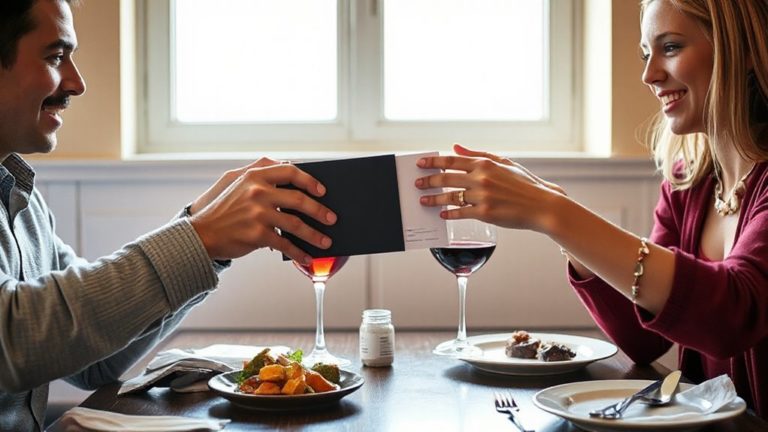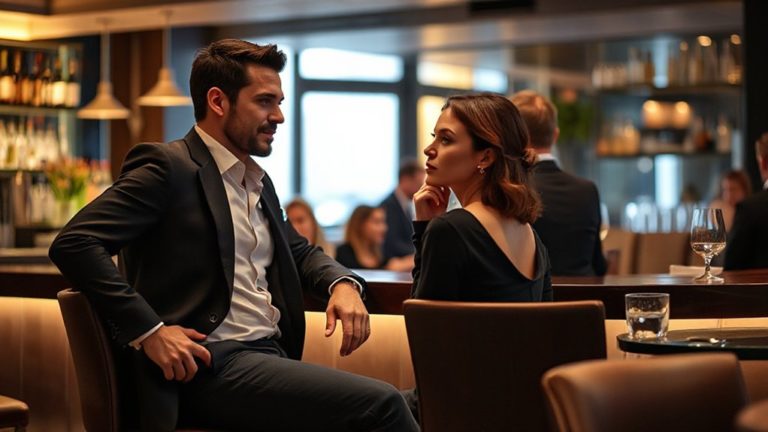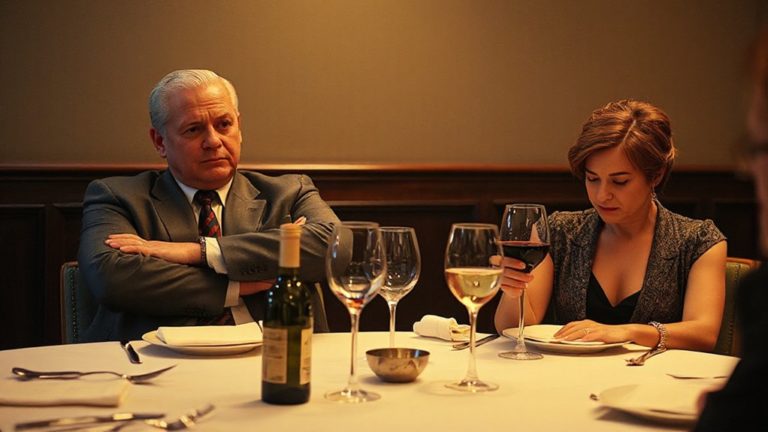


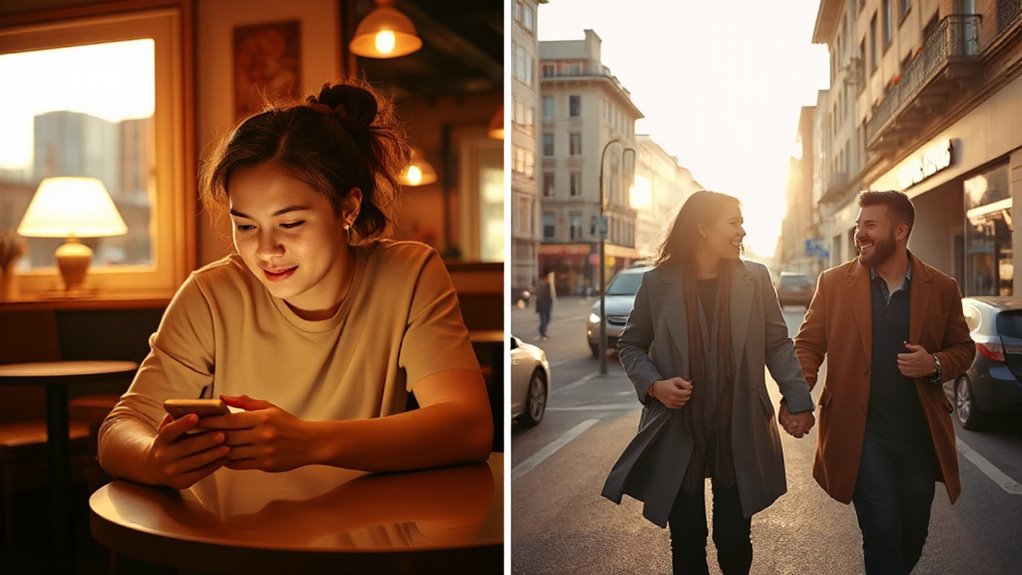
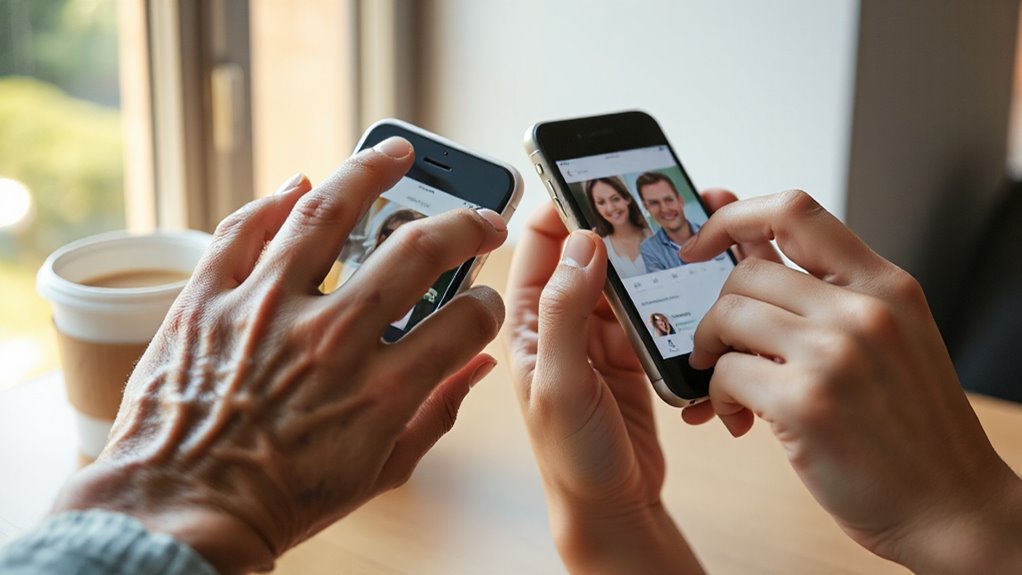
Dating after 50 isn’t what it used to be, and anyone still picturing dimly lit hotel lobbies or awkward church mixers needs to catch up. The digital dating world has expanded far beyond twenty-somethings swiping through endless profiles. In fact, seniors are now dominating the landscape, with a 23% spike in people aged 50 to 70 joining platforms since 2022. This isn’t a niche trend—it’s a full-blown movement.
Seniors aren’t dabbling in digital dating anymore—they’re running the show, and the 23% surge since 2022 proves it.
The numbers tell the real story. While only 17% of people over 50 have ever used dating sites or apps, those who do are getting serious results. Half of recent daters in this age group are actively seeking long-term partners, not just killing time. And they’re finding success: 6% of partnered individuals over 50 met their significant other online. That might sound small, but compare it to the alternative—sitting around waiting for chance encounters that rarely happen. One in five younger adults meet partners online, showing the broader shift toward digital romance.
Platforms have adapted too. SilverSingles specifically targets seniors, pulling in 381,000 new members monthly, with eight out of 10 users aged 50 and older. eHarmony boasts the largest senior user base among competitors, with 38% of online daters over 70 choosing it. Even Match sees over 50% of people in this demographic using its service. These aren’t leftover scraps from younger markets—these are purpose-built communities. Nearly all dating websites now offer mobile apps for both iOS and Android, making it easier to connect on the go. However, older users show distinct platform preferences, with 50% using Match compared to just 24% of those under 50.
What’s driving this shift? Mostly reality. Singles aged 50 to 70 now make up the majority of the dating landscape, and 85% of those between 45 and 65 want an active sex life. Preferences vary—people in their 40s and 50s remain open to marriage, while those over 60 often prefer long-term relationships without the paperwork. Both approaches are valid and increasingly common.
The old excuses don’t hold up either. Fake profiles have dropped exponentially between 2015 and 2024, making authenticity a priority in 2026 trends. Dating apps aren’t just for the young anymore. They’re for anyone willing to stop waiting around and actually do something about finding companionship. Age doesn’t change that basic need—it just changes the approach.