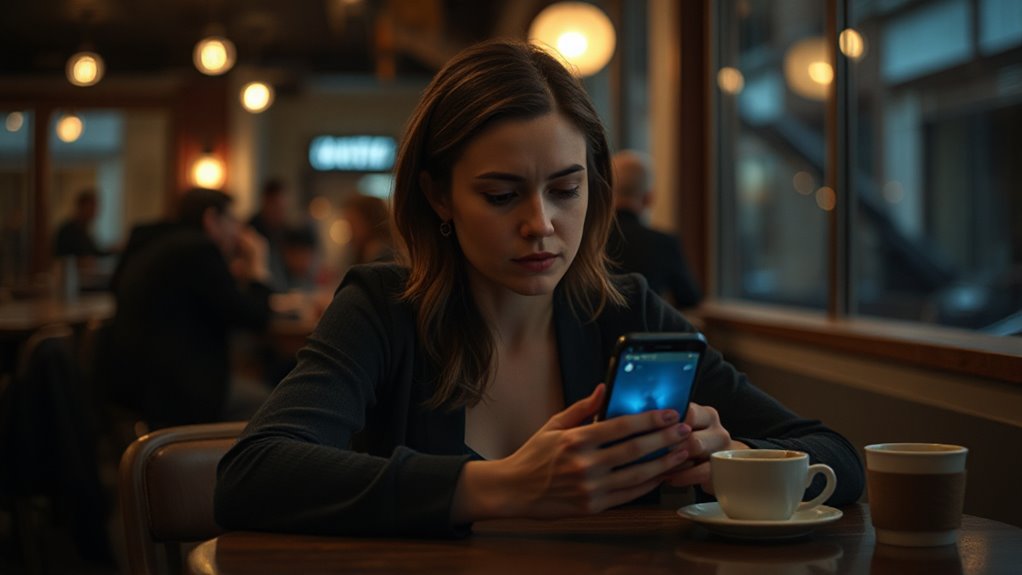
Dating apps are built to keep you on the app, not to help you find a lasting partner. Swipe fatigue, endless options and widespread lying all wear down trust. You can still use them, but only if you set limits, slow down and move to real conversations and in-person meetings sooner.
Why Dating Apps Aren’t Actually Built for Long-Term Relationships
Dating apps were not engineered to find you love. They were engineered to make sure you keep looking. Swipes, badges and instant matches are built for engagement, not emotional depth, and the business model depends on users staying active and undecided. A relationship that matures offline is bad for revenue, and companies track daily users and time spent, not marriage rates or relationship satisfaction.
Profiles are designed for quick scrolling, not serious evaluation, so users skim instead of assess. It’s a slot machine dressed as a matchmaker, and the house always wins. Less than 24% of dating app users ever find a long-term partner through the apps.
In fact, 46% of dating-app users describe their overall experience on these platforms as very or somewhat negative, according to the Pew Research Center. Despite these flaws, 30% of U.S. adults now use online dating, which shows how normalized the practice has become.
Why Dating App Algorithms Don’t Predict Real Compatibility
The business model is only part of the problem. The matching algorithms themselves don’t deliver what they promise. A 2012 landmark review found no compelling evidence that matching algorithms predict relationship success. A 2017–2020 machine learning study using 100-plus variables found largely no unique compatibility between specific people, and one algorithm performed worse than random chance.
The reason is simple: real chemistry can’t exist in a profile. It only emerges after two people actually meet, and apps can’t measure that. So they optimize for swipes and messages instead of lasting relationships.
A 2024 study across 43 countries with over 10,000 participants found that ideal-preference matching explained only a tiny fraction of romantic outcome variance. On top of that, dating app algorithms are intellectual property, so scientists can’t independently verify the formulas used to match people.
Long-distance relationships, for comparison, often require trust as foundation and deliberate effort to succeed.
How Endless Options Make It Harder to Commit to Anyone
On top of broken algorithms, too many options quietly wreck people’s chances at real commitment. Barry Schwartz called it the paradox of choice: more options, less satisfaction. Dating apps trigger it daily.
- The brain stays in “keep looking” mode, never settling because something better feels one swipe away.
- Decision fatigue is real. Swiping through endless profiles drains the emotional energy needed to actually invest in someone. This constant scrolling also undermines the timely follow-up and sustained attention needed to move from a first date to a second one.
- Everyone starts feeling replaceable, which destroys the sense of stability commitment requires.
Sustained emotional attention is a prerequisite for building intimacy, yet the constant pull of available alternatives redirects that attention toward browsing rather than bonding.
Cross-national research spanning 6,646 individuals across 50 countries found that online-origin relationships reported lower relationship satisfaction and less intense love than those that began face-to-face. More choices should feel empowering. Instead, they often leave everyone feeling disposable.
How Dating Apps Are Designed to Damage Your Confidence
Swipe enough times, and something quietly breaks. Dating apps are built around constant visual judgment: rapid photo scanning, binary like/dislike mechanics and endless profile comparisons. They work as sorting machines built on looks-first decisions.
That design isn’t neutral. Research links Tinder use to lower self-esteem, worse body image and higher anxiety than among non-users. Nonverbal cues often get lost in app interactions, removing the subtle signals that help people gauge interest in person.
Every swipe reinforces the feeling of being rated like a product. Users compare themselves to curated, idealized profiles, which triggers upward social comparison, and that reliably makes people feel inadequate. Add routine ghosting and non-responses, and the damage compounds. The app isn’t broken; it’s working as designed, and users are the collateral damage.
The average Tinder user logged in 11 times a day, two years after launch, not because the app was delivering meaningful connection, but because its slot-machine mechanics kept pulling them back.
Some users have walked away entirely. Twenty-year-old Finn Joseph quit Tinder after finding that judgment on appearance caused him to value his own personality traits less and less.
Why Dating Apps Make It So Easy to Lie
Dating apps don’t just tolerate lying; they practically invite it. There’s no face-to-face pressure and no real-time accountability, just a screen, some photos and a text box begging to be optimized. Research shows up to 80% of online daters lie to some extent. That’s not a few bad apples, that’s the orchard.
Here’s what fuels it:
- Anonymity removes consequences. Nobody’s watching, so exaggeration feels harmless.
- Edited messaging replaces spontaneity. Users rehearse answers and hide inconvenient truths.
- Appearance pressure drives distortion. Women lie about weight; men lie about height. Almost reflexively.
The platform design rewards the polished version, not the real one. Survey data found that one in five respondents admitted to lying specifically to secure sex, with the most dangerous fabrications centering on relationship availability and romantic intentions rather than physical traits.
Fear also drives deception: 34% of female users intentionally falsify personal information to protect themselves from extortionists and con men who exploit the vulnerabilities of online dating. Many users also take precautions such as meeting in public and keeping conversations on the app at first.
How to Use Dating Apps Without Burning Out
- Treat the app as a way to meet people, not as the relationship itself. Chemistry only shows up after you meet.
- Don’t rely on match scores or algorithm promises to judge compatibility.
- Limit how long you scroll, since endless browsing drains the energy you need to invest in one person.
- Follow up promptly and give the person in front of you your full attention.
- Don’t measure your worth by swipes, matches or ghosting.
- Meet in public and keep early conversations on the app.
Common Questions About Dating Apps and Trust
Can you still build a lasting relationship from a dating app?
Yes, though the odds aren’t great: less than 24% of users find a long-term partner through the apps. What helps is moving from browsing to real attention on one person and meeting face-to-face, since chemistry only emerges in person.
How do you know if someone on a dating app is being honest?
You often can’t tell from a profile alone. Lying is common, and the most serious fabrications involve relationship availability and romantic intentions. Meeting in public and paying attention to nonverbal cues in person gives you far better information than polished messages.
Why do dating apps leave people feeling worse about themselves?
Constant visual judgment, comparison to idealized profiles and routine ghosting make people feel rated like products. Research links Tinder use to lower self-esteem, worse body image and higher anxiety.
Dating Apps and Relationship Trust: What to Do Next
Apps can introduce you to people, but they can’t create compatibility or trust for you. Use them as a starting point, and put your effort into honest, attentive time with the people you actually meet.