



Why Swipe Fatigue Is Burning Out Dating App Users
Dating apps promised to make finding love easier. Instead, they created a new problem: swipe fatigue. Endless profiles, endless swiping, and somehow still no meaningful connections.
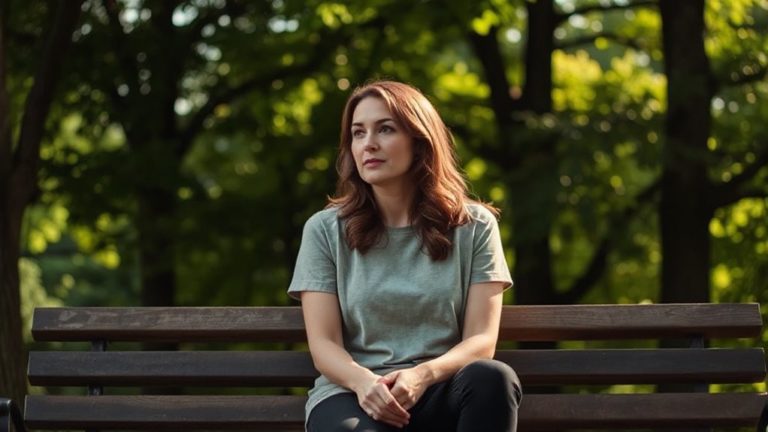
Users report feeling emotionally drained, frustrated by poor match quality, and burned out from the repetitive cycle of it all. Tinder basically built an illusion — infinite choice sounds exciting until it exhausts you.
Two-way matches don’t even guarantee chemistry. No conversation follows. Nothing clicks. The whole experience starts feeling like a second job nobody applied for. So people disengage. And honestly, who could blame them? The numbers back this up — Tinder saw monthly active users drop 9% year-over-year in Q4.
That exhaustion is showing up in the data too — 56% of daters say honest conversations are lacking in modern dating, a sign that the connections people are making aren’t cutting it emotionally either. Across platforms, decision fatigue and platform overload are driving many users to quit within a month.
How Tinder’s AI Is Replacing the Endless Swipe in 2026
Tinder finally got the memo. Endless swiping isn’t working, and the app is done pretending otherwise. Enter Chemistry — an AI-driven overhaul rolling out to the U.S. and Canada in March 2026.
Instead of dumping thousands of profiles on users, it delivers daily curated matches. It pulls data from Q&As and an optional Camera Roll Scan, reading interests and personality traits to sharpen recommendations. A Learning Mode tracks in-app behavior in real time, getting smarter fast.
Fewer matches, better ones. Less scrolling, more connecting. It won’t fix everything, but it’s a serious step away from the swipe-everything-and-hope strategy. The Learning Mode test alone reached 14 million users between December 2025 and February 2026.
Users can also match through thematic modes, including options based on music and astrology, designed to help people connect around specific tastes and interests. Early adopters reported that the focused matching approach helped them move from chatting to in-person dates faster than before.
What Tinder’s Chemistry Feature Actually Does
Chemistry doesn’t just tweak how Tinder works — it rethinks the whole premise. Instead of dumping hundreds of profiles on you, it studies you first. You answer questions. You hand over Camera Roll access — vacation pics, memes, random screenshots. The AI digs through all of it, building a personality profile that catches what a short bio never could. Your vibe, your interests, your lifestyle signals.
Then it delivers one or two matches daily. That’s it. No endless swiping, no decision fatigue, no random noise. Just targeted recommendations based on who you actually are. Weird concept for Tinder. Might actually work. Updating profiles every few months helps the system stay accurate, since current photos and fresh info better reflect who you are.
The feature was tested in Australia before any wider rollout, giving Match a real-world sample to pressure-test the concept against actual user behavior.
Can AI Really Fix Dating App Burnout?
The Chemistry feature is a smart fix for one specific problem — too many profiles, too little signal.
But burnout runs deeper than swipe volume. It’s emotional friction, shallow texting loops, algorithmic games, and the exhausting gap between matching and actually meeting someone. AI can compress that gap. Long-distance relationship research shows couples who schedule regular contact report stronger bonds, which suggests AI could help by facilitating consistent communication routines.
Bumble’s Bee model digs into values and goals. Amata cuts chatting time by 80%. Tinder’s Face Check slashes bad actors. These aren’t gimmicks.
But no algorithm fixes distrust or loneliness on its own. AI handles the logistics. The human still has to show up. That part hasn’t changed. 47% of users under 30 have already reported burnout from endless swiping, which means the pressure to get this right is only growing.
Platforms that reward speed over safety create a structural vulnerability, because attackers need speed and exploiters need vagueness — two conditions that current app design quietly enables rather than resists.
Why Tinder Will Never Look the Same After Chemistry
Swipe culture had a good run. But Tinder’s Chemistry feature is quietly killing it. Instead of endless swiping, Chemistry recommends profiles based on what actually matters to each user — their values, priorities, and compatibility factors. The algorithm does the heavy lifting. It finds people users might have scrolled past entirely.
That’s a significant shift. Tinder stops being a numbers game and starts behaving like something smarter. Will everyone love it? Probably not. Change is uncomfortable. But the data-driven approach reduces randomness, improves connection odds, and signals where dating apps are heading.
Tinder will never look the same again. This matters because deep bonds are more often built on shared values than on superficial interests.