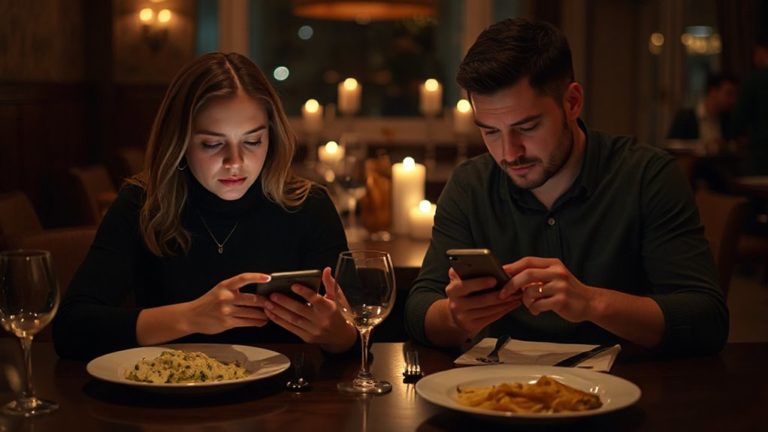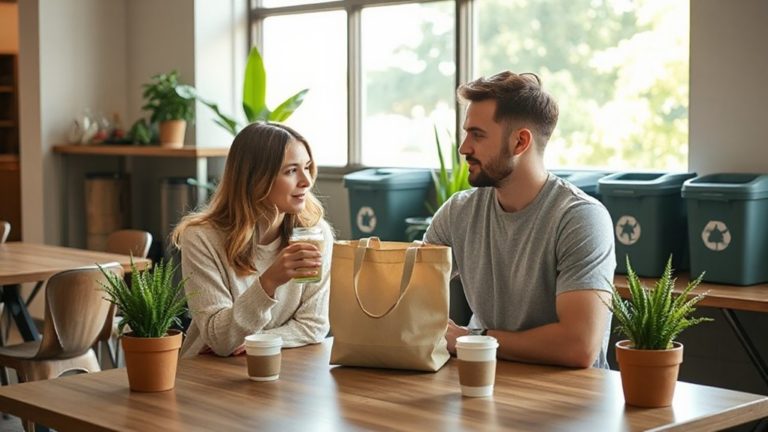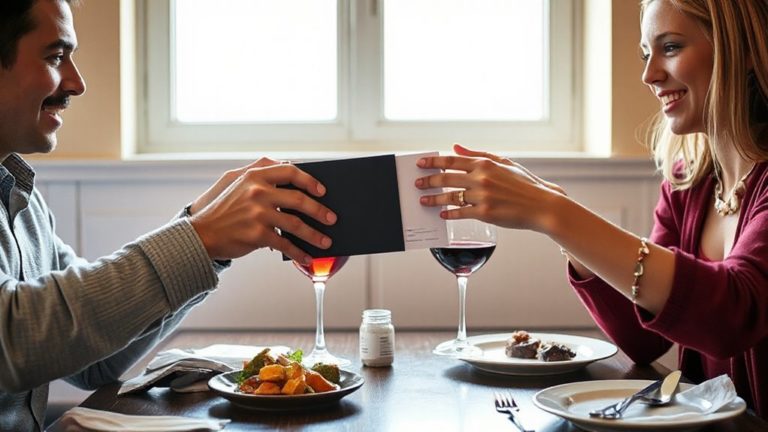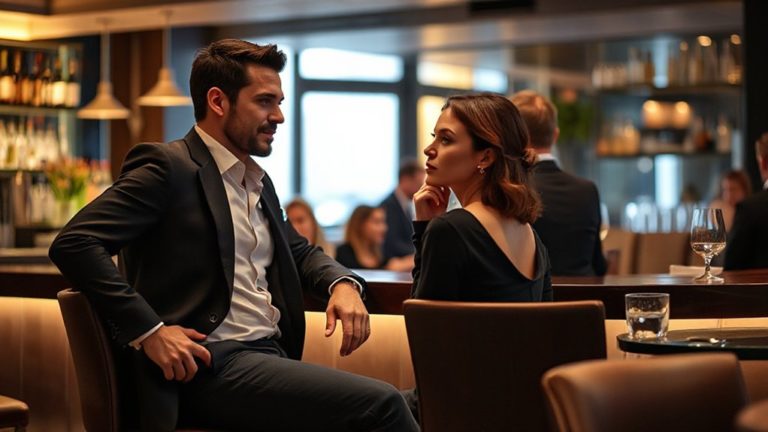




Skip the fancy dinner reservations and movie theaters—they’re conversation killers. The best first dates happen at casual coffee shops like Philz Coffee, relaxed pizza spots, or scenic outdoor locations like urban parks. These venues encourage actual talking without breaking the bank or creating awkward pressure. Metropolitan areas offer the most options, but the key is choosing places that prioritize connection over spectacle. Smart daters know there’s more to getting this right.
The truth about first dates hits differently when people realize they’re overthinking the location instead of focusing on connection. Sure, venue matters, but not in the way most people think.
Stop stressing about the perfect restaurant and start thinking about whether you can actually have a real conversation.
Coffee shops and casual restaurants dominate first date success stories for good reason. They’re relaxed, affordable, and actually let people talk. Philz Coffee creates memorable experiences with personalized selections, while pizza places like Mellow Mushroom encourage sharing and interaction. These spots work because they remove pressure while keeping things interesting.
Cities matter more than most realize. Detroit, Baltimore, and New York lead in single populations, giving people actual options. Charlotte, Detroit, and Orlando offer affordable dating scenes, though incomes tend to be lower. Metropolitan areas win every time—more restaurants, entertainment, and fellow singles create vibrant dating cultures that smaller towns simply can’t match. Austin and Charlotte offer the lowest pizza prices under $11, making casual food dates particularly budget-friendly.
What doesn’t work? Chain restaurants like Cheesecake Factory, Applebee’s, and Olive Garden get hard passes from women. Movie theaters kill conversation. Fast food chains feel lazy. Sports bars like Buffalo Wild Wings only work if both people are genuinely into sports, not as default options.
Modern couples meet online over 50% of the time, but traditional methods persist. Friends introduce 15% of couples, workplaces account for 10%, and college campuses contribute 7%. Public venues like gyms and bookstores represent just 3%, proving that shared contexts beat random encounters.
The best first dates combine mild adventure with relaxed interaction. Stargazing works. Haunted houses don’t. People want novelty without intensity, memorable without uncomfortable. Light adventure paired with conversation opportunities hits the sweet spot. Urban parks like Brooklyn Bridge Park offer scenic waterfront views that naturally encourage outdoor activities and meaningful conversation.
Location success depends on proximity to entertainment and dining options. Cities like Washington D.C., Corvallis, and New York offer high restaurant-per-capita ratios that support thriving dating scenes. Access to variety matters because backup plans reduce anxiety.
Skip the house visits, avoid overly intense activities, and remember that timing matters—Chick-fil-A might be popular but it’s closed Sundays. Choose places that encourage conversation over spectacle. The goal isn’t impressing someone with expensive choices but creating space for genuine connection to develop naturally.
Frequently Asked Questions
How Much Should I Budget for a First Date?
Budget around $80 for a typical first date, though location matters big time. New York runs $156 while Oklahoma City hits $88. Skip the $500 adventure nonsense—68% of people want dinner anyway.
Factor in drinks since 73% of dates include alcohol.
Gen Z burns through $194 per outing, but don’t let peer pressure wreck your wallet. Adjust expectations based on your city and income.
What Should I Wear on a First Date?
Choose well-fitted clothes in solid colors—red, black, or navy work best. Men should wear a button-up shirt with chinos or dark jeans, plus decent shoes.
Women can’t go wrong with a little black dress or nice blouse with jeans. Skip flashy patterns and trendy nonsense that screams “trying too hard.”
Comfort matters—blisters kill romance. Match your belt to your shoes, keep accessories simple.
Who Should Pay for the First Date?
The person who asks should pay, period. That’s basic etiquette that cuts through gender nonsense. If someone insists on splitting, fine—but don’t make it weird by arguing at the table. Money talks matter, so figure out expectations beforehand if you’re unsure.
Traditional norms still dominate, but modern daters increasingly share costs. Bottom line: whoever extends the invitation covers the bill.
How Long Should a First Date Last?
A first date should last two to three hours—long enough to have real conversation but short enough to leave them wanting more.
Coffee dates can work with just an hour, but dinner or activities need more time.
Don’t drag it out past three hours unless it’s going amazingly well.
End while you’re both still engaged, not when you’re checking your phone.
What Topics Should I Avoid Discussing on a First Date?
Avoid politics, religion, and money talk—these subjects kill the mood faster than bad breath. Don’t dump your ex-partner drama or personal struggles on someone you just met.
Skip discussions about marriage, kids, or future plans; nobody wants to feel pressured into commitment over appetizers. Keep things light, positive, and surface-level.
Save the heavy stuff for later dates when you’ve built actual trust.