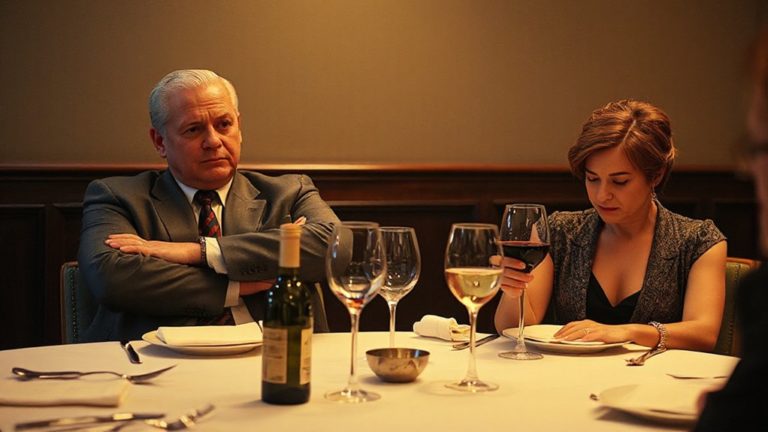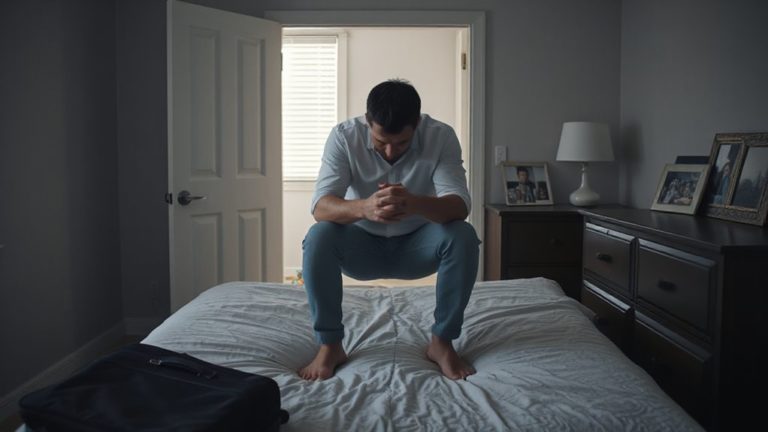

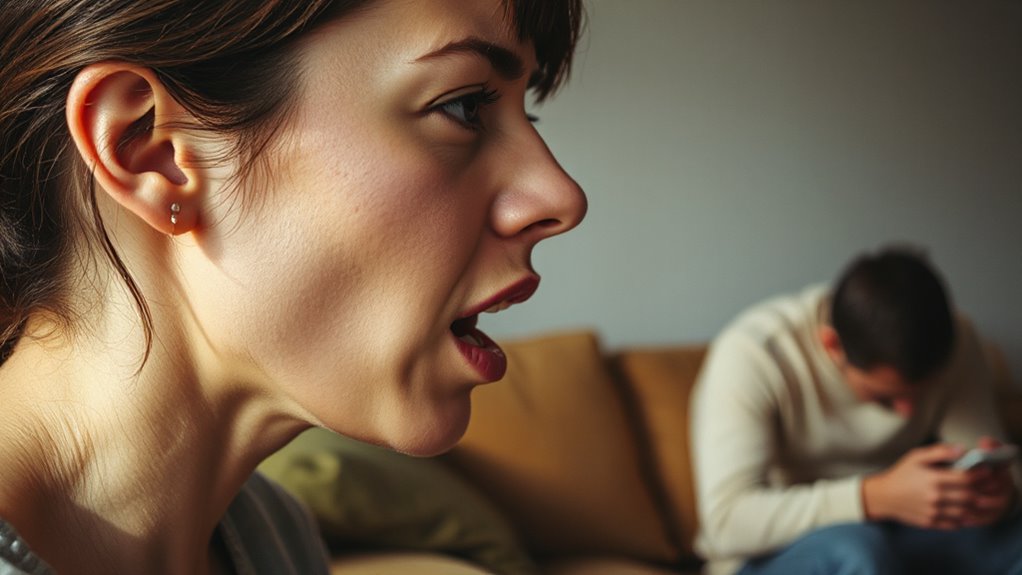


When someone’s world falls apart, their friends often vanish faster than ice cream at a summer barbecue. The person who used to text daily suddenly goes radio silent. The buddy who promised to “be there for anything” becomes a master of avoidance. What gives? Building emotional intimacy requires intentional vulnerability, but many friendships lack this foundation, making crisis moments especially fragile.
The truth is, most people can’t handle being around someone else’s crisis. It makes them squirm. Seeing a friend suffer forces them to confront their own vulnerability, and that’s terrifying. Nobody wants to imagine their kid getting sick or their life imploding. So they disappear.
Friends also don’t know what to say. Society gives clear instructions for handling death—bring casseroles, attend funerals, send flowers. But chronic illness? Long-term family crisis? There’s no playbook. People freeze up when they can’t follow a script. Effective communication strategies emphasize responding with empathy, but many friends resort to silence instead.
People freeze up when they can’t follow a script—there’s no playbook for handling someone else’s ongoing crisis.
Then there’s survivor’s guilt. Friends feel awful about their normal lives while someone they care about struggles. This guilt creates shame, and shame breeds distance. It’s easier to ghost someone than face those uncomfortable feelings.
Many friends take exclusion from medical decisions personally. They interpret a family’s preoccupation as rejection. When crisis-hit families seem distant or unreachable, friends assume they’re being pushed away rather than recognizing that survival takes all available energy.
Some harbor irrational fears that problems are contagious. Others make moral judgments about illness or behavior. These reactions create walls that feel impossible to bridge. Many resort to pseudo-care by offering vague help without any real intention to follow through.
The psychological toll on abandoned friends is severe. Studies show 71% experience clinical levels of distress. They develop PTSD, depression, and anxiety disorders. Some report suicidal thoughts. Yet society tells them they’re “just friends,” not real mourners deserving support. Research reveals that perceived closeness to someone in crisis strongly correlates with the intensity of emotional reactions when that relationship ends. Maintaining and strengthening connection requires consistent effort, which becomes especially challenging during crises.
The healing starts with understanding that friendship grief is real grief. It deserves recognition and care. Those left behind need to seek professional help when overwhelmed, connect with others who understand abandonment, and remember that someone else’s crisis response isn’t always about them.
Sometimes friendships don’t survive catastrophe. That’s painful but not always personal. Real healing means accepting that some relationships have limits while cherishing those that prove unbreakable when tested.