


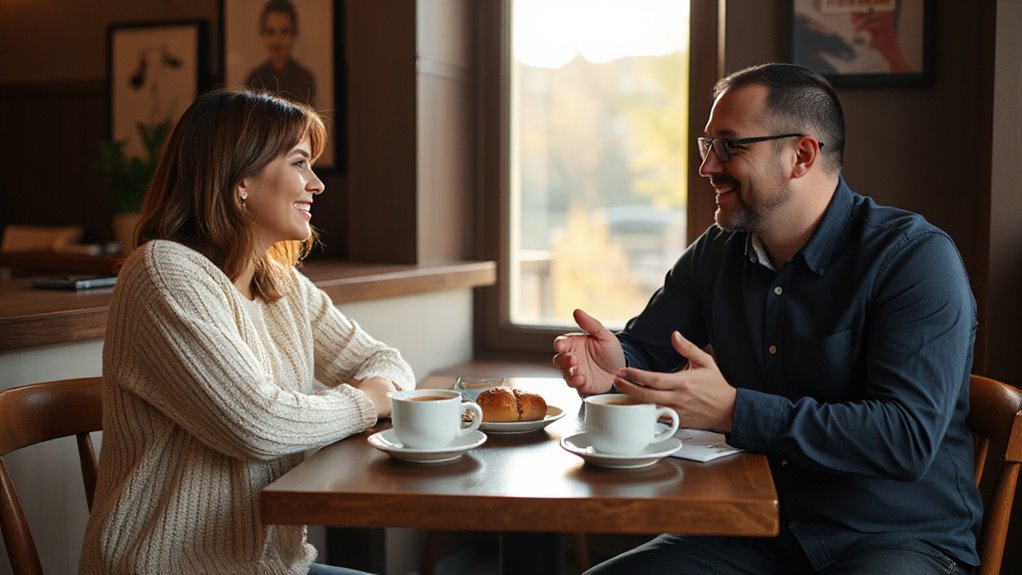




When does the clock actually start ticking on a relationship? Most people think it begins at the first date or the first kiss. Wrong. The real clock starts when someone feels ready for genuine involvement, not just when two people happen to meet. Readiness is that subjective sense that the timing feels right for something ongoing and real. Without it, you’re just going through motions.
Here’s what matters: readiness predicts future commitment better than almost anything else. People who feel ready disclose more, stick around during rough patches, and skip the typical exit strategies when things get hard. They’re actually invested. Meanwhile, couples who rush past this internal timer often crash. Constant phone check-ins that feel like obligations, excessive early compromises, difficulty making solo decisions without consulting a partner—these signal a pace problem. You’re moving too fast before either person is genuinely ready.
The relationship clock doesn’t care about your excitement or how perfect someone seems on paper. It ticks according to whether both people have reached that readiness point simultaneously. When readiness aligns, quality time becomes natural. Undivided attention, shared activities, meaningful conversation—these aren’t chores but expressions of actual desire to connect. Without readiness, quality time feels forced or gets skipped entirely, creating emotional distance and resentment.
Temporal patterns matter more than most therapists admit. There’s no universal timeline for distress or satisfaction, but couples need to understand what their specific patterns mean. Some need more space, some need more togetherness. The often-cited seventy-thirty split—seventy percent together, thirty apart—offers a starting framework, but individual differences dominate. What destroys relationships is mismatched readiness combined with ignored time complications. One partner speeds ahead while the other isn’t prepared, or both lose individual identity through excessive togetherness. Couples’ narratives about how these patterns evolved reveal experiences of closeness and power that clarify why certain rhythms feel right or wrong. Identifying your own personal boundaries early helps prevent those rhythms from becoming destructive.
The brutal truth? Time problems are overlooked stressors that erode relationships from inside. Reframing conflicts through this temporal lens reduces their intensity and opens solutions. Strong desire for an enduring connection stabilizes relationships even when external pressures mount. The relationship clock starts when readiness begins, not when attraction does. Ignore that distinction at your peril.