


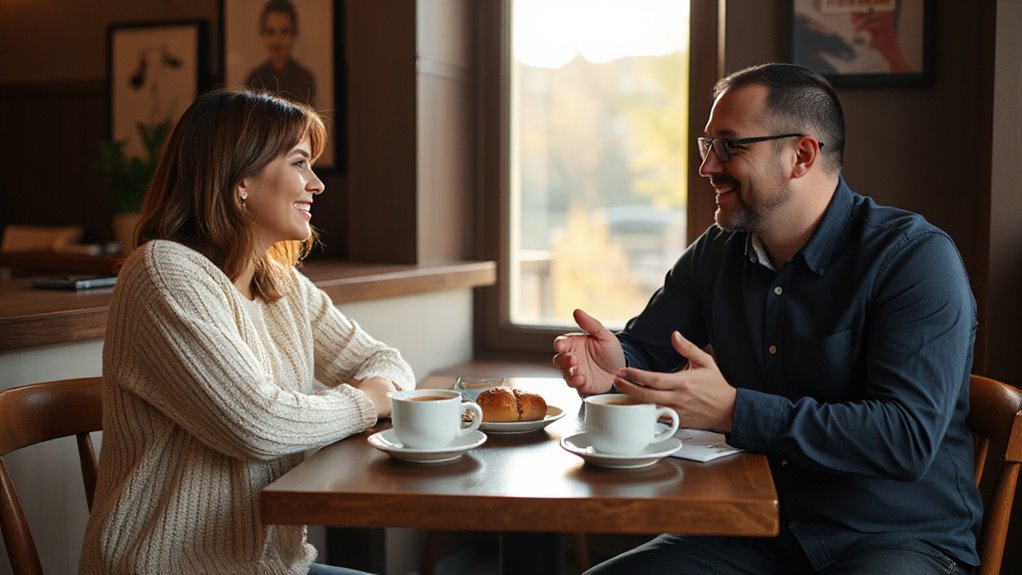

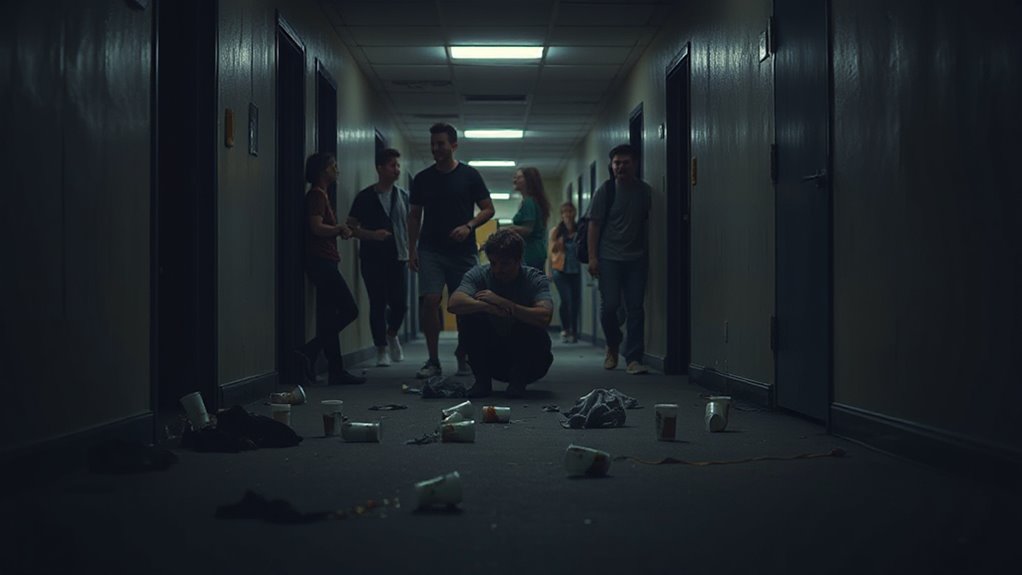




Against all logic and every red flag waving in her face, she stays. Maybe it’s love, maybe it’s hope, or maybe it’s just fear dressed up as commitment. Either way, loving an idiot—someone toxic, manipulative, emotionally abusive—turns into a revolting ordeal that chips away at everything she once was.
The mental toll hits first. Depression creeps in like fog, thick and suffocating. She starts detaching from things she loved, considers self-harm when the weight becomes unbearable. Constant conflict drains her completely. The unpredictability keeps her anxious, never knowing which version of him she’ll face today. Stay long enough, and her risk of developing PTSD triples. The chronic stress doesn’t just wreck her mind—it invites physical illness too.
Her self-esteem crumbles under the steady barrage of criticism and disrespect. Every insult, every eye-roll, every dismissive comment burrows deep. She starts believing the garbage he feeds her: that she’s worthless, unlovable, too much or not enough. She questions herself constantly, walks on eggshells in her own relationship. Even after she leaves, that damaged self-worth follows her, making healthy connections feel impossible.
The anxiety becomes her new normal. Sleep vanishes. Mood swings arrive uninvited. She’s hypervigilant, always scanning for danger, always braced for the next explosion. Her brain chemistry actually changes, making it harder to regulate emotions. The exhaustion is bone-deep, stealing her energy and motivation.
Meanwhile, he isolates her. Social invitations dry up. Friends drift away. Family feels distant. She becomes an island, cut off from everyone who might help her see clearly. Loneliness feeds depression. Depression deepens isolation. The cycle tightens.
The abuse pattern repeats: tension builds, he explodes, he blames her, then comes the honeymoon phase where he’s suddenly sweet again. Gaslighting makes her doubt reality. Manipulation becomes routine. Jealousy masquerades as love.
Statistics tell the brutal truth: 42% of intimate partner violence victims consider suicide. Emotional abuse correlates directly with depression, anxiety, PTSD, and substance abuse. The damage doesn’t end when the relationship does—trust issues, relationship avoidance, and persistent low self-esteem haunt her future connections. Loving an idiot costs more than anyone should pay. Couples who engage in therapy and commit to repair increase their chances of recovery, especially when addressing trust rebuilds through consistent, honest actions.