



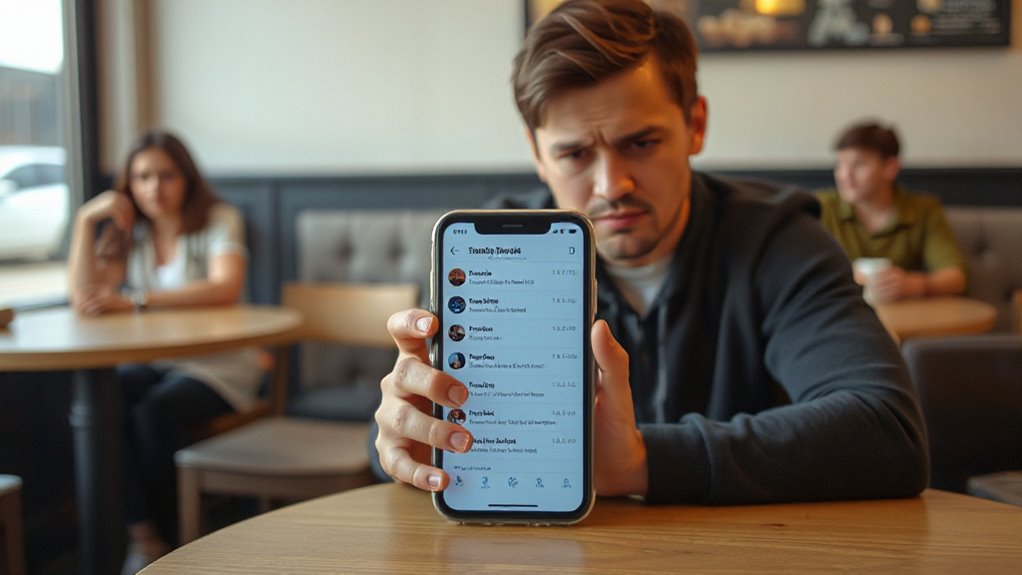
How do you know when talking to multiple people crosses the line from perfectly fine to downright shady? The answer isn’t as simple as people think, and it depends heavily on honesty, context, and what everyone involved actually understands about the situation.
Dating multiple people during the first few dates is generally ethical, as long as no one’s claiming exclusivity yet. The key is avoiding misrepresentation. If someone’s acting like they’re all-in when they’re actually shopping around, that’s where things get sketchy. Without exclusivity explicitly agreed upon by both parties, it’s not technically cheating. But here’s the catch: it requires transparency. If one person thinks it’s serious while the other is keeping options open, that’s leading someone on, and that’s unethical.
The same principles apply in professional settings, particularly for psychologists managing dual relationships. These aren’t automatically unethical, but they require careful assessment. Does the second relationship impair objectivity? Could it lead to exploitation or harm? If the answer is yes, it’s a no-go. In some contexts, like small communities or judicial settings, dual relationships are inevitable. The ethical move is informing affected parties and getting informed consent. Rebuilding trust after harm requires consistent, honest actions over time and often substantial work from both parties.
Communication failures cause most of the damage in these scenarios. Lack of clarity breeds misunderstandings, resentment, and broken trust. Without recurring conversations about feelings, expectations, and boundaries, people end up hurt. Honesty forms the backbone of ethical multi-dating or dual relationships. Without it, the whole thing collapses into something indistinguishable from cheating. When communication deteriorates in relationships, it’s often a sign that professional help may be needed.
Cultural context matters too. Some cultures frown on dating multiple people simultaneously, viewing it as disingenuous. Others, particularly those embracing polyamory or non-monogamy, consider it perfectly acceptable with open communication. There’s no universal agreement, and training and cultural lenses shape what people consider boundary violations.
The bottom line? Talking to multiple people isn’t inherently problematic. It becomes unethical when there’s deception, when someone’s being strung along, or when boundaries get crossed without consent. The test is simple: does it lead to impairment, exploitation, or harm? Assessment of these dimensions must be from the consumer’s perspective, ensuring that their welfare is protected. If so, it’s crossed the line.