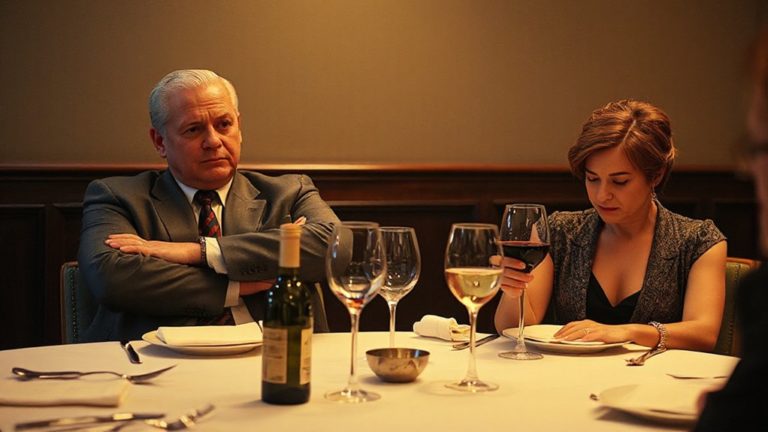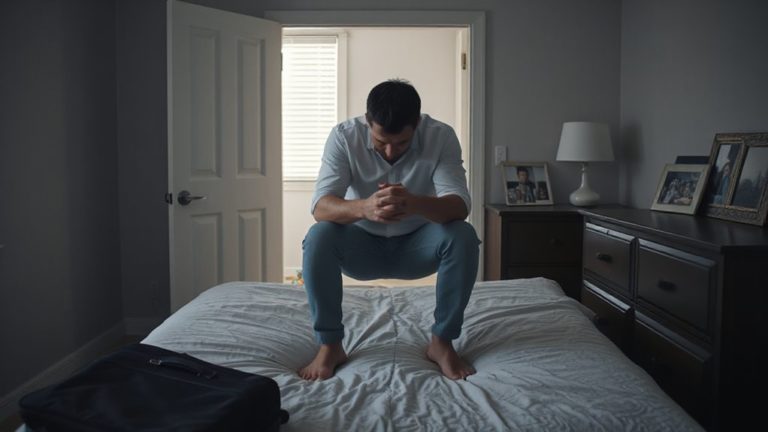






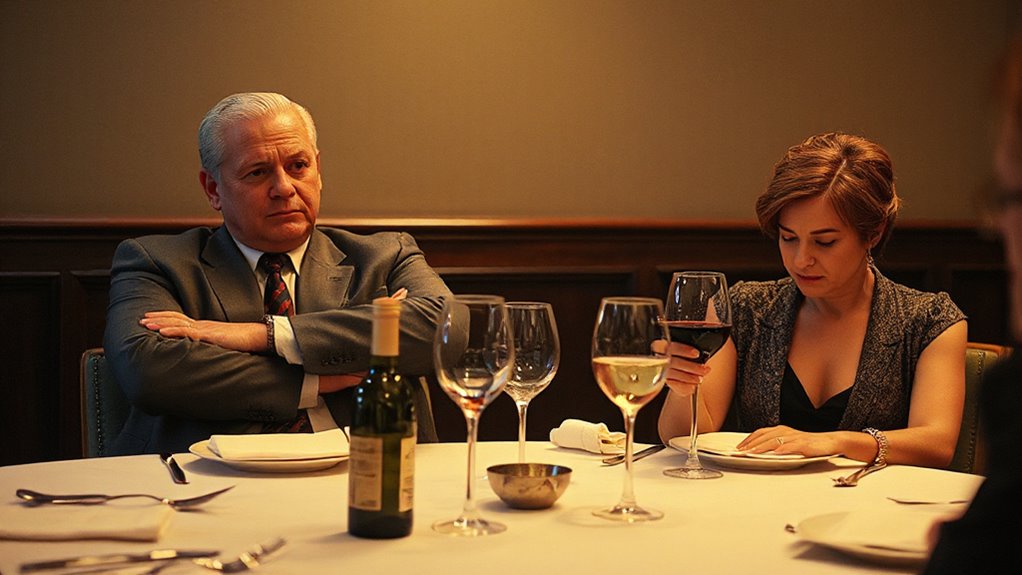
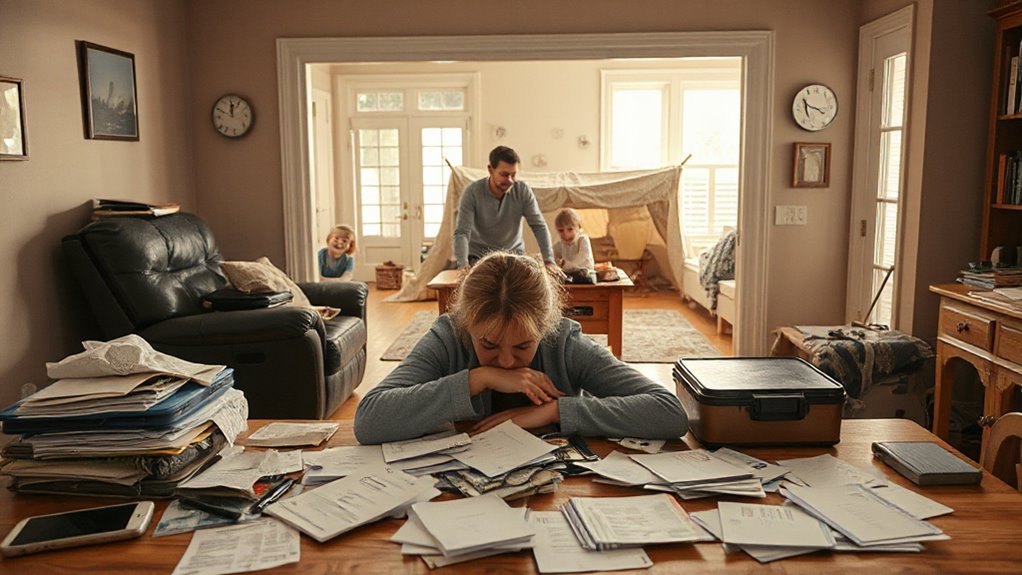
The “fun dad” phenomenon has quietly wrecked more marriages than most couples realize. It sounds harmless enough—dad swoops in for playtime, tickles the kids, maybe builds a pillow fort, then disappears while mom handles the endless grind of meals, laundry, bedtime battles, and doctor appointments. But here’s the thing: this pattern doesn’t just create resentment. It systematically dismantles marital satisfaction in ways researchers have documented for decades. Finding a balance between togetherness and independence is crucial to preventing that drift, especially by protecting each partner’s need for personal space.
Playing parent only when it’s entertaining while your partner handles the brutal daily grind doesn’t create partnership—it creates contempt.
The numbers tell a brutal story. Marital satisfaction tanks after kids arrive, with low satisfaction jumping from 12% before children to 30% when kids hit school age. That first year after birth? The decline is sharpest, and couples never fully recover. The damage persists until grandparent status, meaning this isn’t some temporary rough patch—it’s structural rot.
What drives this collapse? Unequal chore distribution plays a starring role. Studies found that on non-working days, men spent 101 minutes relaxing while their partners did childcare or housework. Women? Just 46 minutes of leisure. Even more telling: men relaxed 46% of the time on days off while partners managed kids, but women only took leisure 16% of the time when men handled children. Men’s relaxation time actually doubled from pregnancy to three months postpartum, hitting that 101-minute mark.
The weekend pattern reveals everything. Weekdays force an “all hands on deck” mentality when time’s tight, but when leisure time opens up on weekends, inequality explodes. Three months after birth, men were most often relaxing while women worked. When men did pitch in with childcare or housework, their partners typically joined them in similar tasks rather than taking a break.
Here’s what matters: father engagement with children and sharing child-related chores directly reduces maternal stress. Cooperative coparenting works. Playing with kids and teaching them isn’t just fun—it eases the psychological pressure mothers feel to manage child development alone. Children with involved dads are nearly 40% more likely to earn high grades, showing that active father participation delivers concrete outcomes beyond just making mom’s life easier. Fathers are more likely to handle performing tasks like giving baths or making lunches than the mental load of planning and coordinating everything.
Being the fun dad isn’t enough. It’s actually destructive when it means opting out of the hard stuff while your partner drowns.