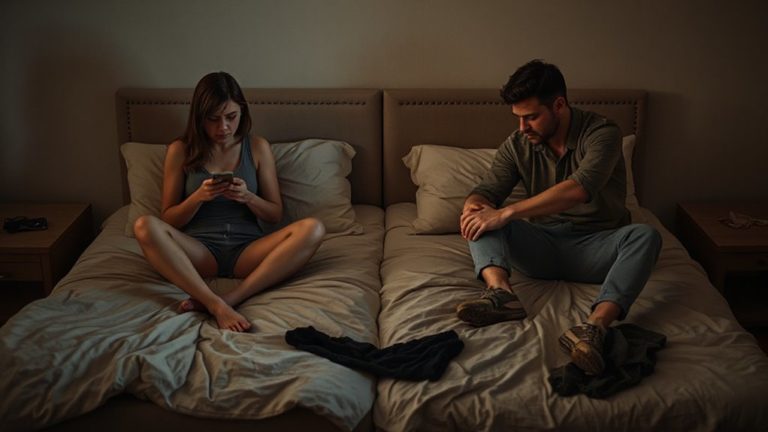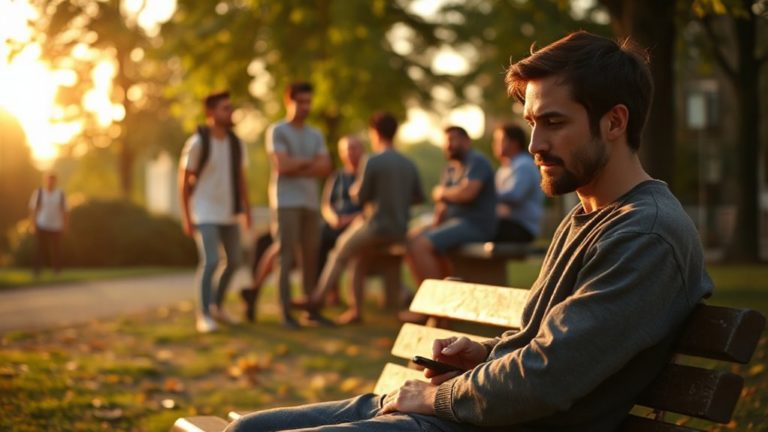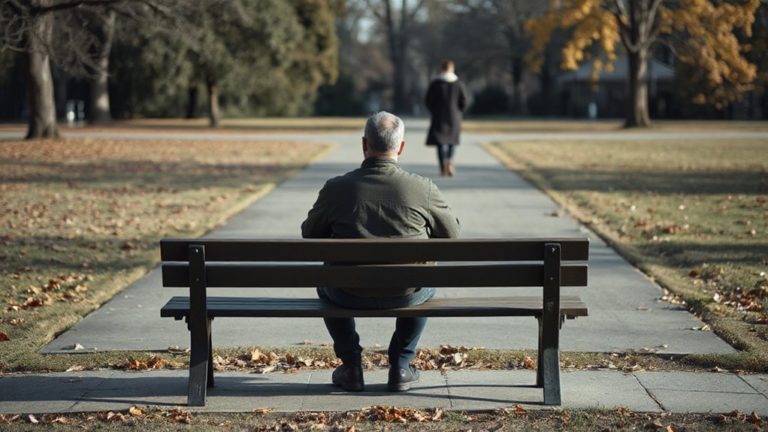
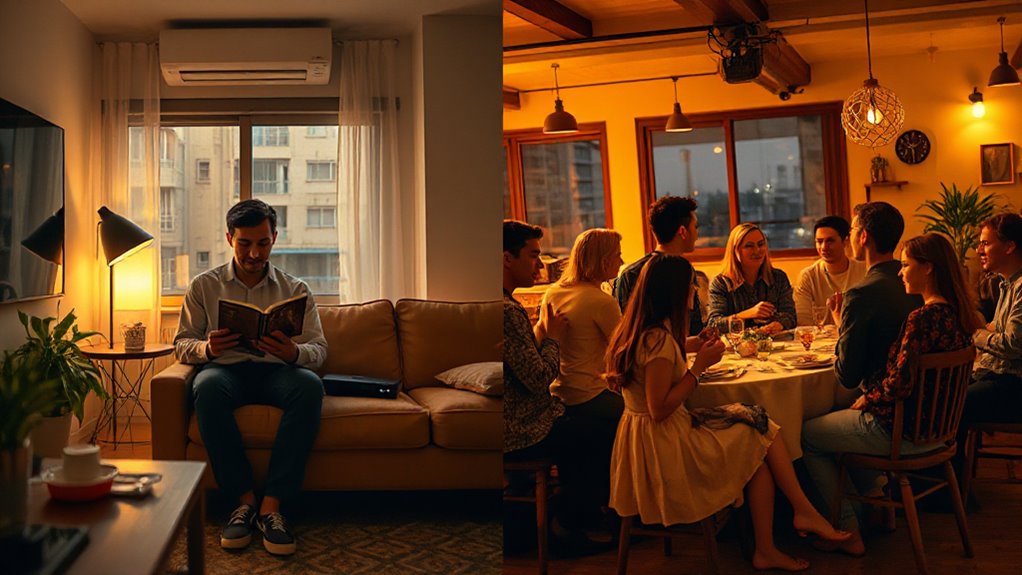
Why are so many Americans staying single, and why does everyone seem so surprised about it? The numbers don’t lie: 42% of U.S. adults are unpartnered, and cities like Rochester, New York hit 58.5% single adults. Yet society still acts like this is some temporary glitch instead of the new normal.
Here’s what nobody wants to admit: people are choosing to stay single longer because it’s easier than ever before. You can order dinner, binge Netflix, and maintain entire social networks without leaving your apartment. Why deal with relationship drama when you can prioritize your own needs?
Modern convenience has made solitude comfortable—why navigate relationship complexity when you can curate a drama-free life on your own terms?
The data backs this up—people cite autonomy and personal priorities as key reasons for staying unpartnered.
The gender math is getting weird too. In Garland, Texas, there are 125.2 unmarried men for every 100 women. Washington D.C. flips it with only 86.4 unmarried men per 100 women. This mismatch means someone’s always left out, regardless of location.
Economics play a bigger role than people admit. When you can barely afford rent, marriage feels like an expensive luxury. Those with bachelor’s degrees have just a 30% unpartnered rate, while people without high school diplomas hit 44%. Money talks, and it’s saying “stay single until you can afford not to.”
The projections are staggering. By 2030, 45% of women aged 25-44 will be single, up from 41% in 2018. By 2035, we’re looking at nearly 50% of women in their prime marrying years being unpartnered. Meanwhile, divorce rates remain consistently high with cities like Columbus, Georgia hitting 15.7%. The median marriage age has jumped from 20.5 in 1947 to 28.6 in 2021, reflecting how career and education priorities have fundamentally shifted.
This isn’t a phase—it’s a fundamental shift.
Race matters too. Black adults face a 61% unpartnered rate compared to 35% for Asian adults. Foreign-born Americans are more likely to partner up than U.S.-born citizens, suggesting cultural factors play a significant role.
The stigma persists, especially for women, but singlehood is becoming self-perpetuating. When half your friends are single, being unpartnered feels normal rather than problematic.
Society still venerates marriage, but the numbers suggest Americans are voting with their lives. They’re choosing independence over partnership, and that choice is reshaping the entire dating landscape.