


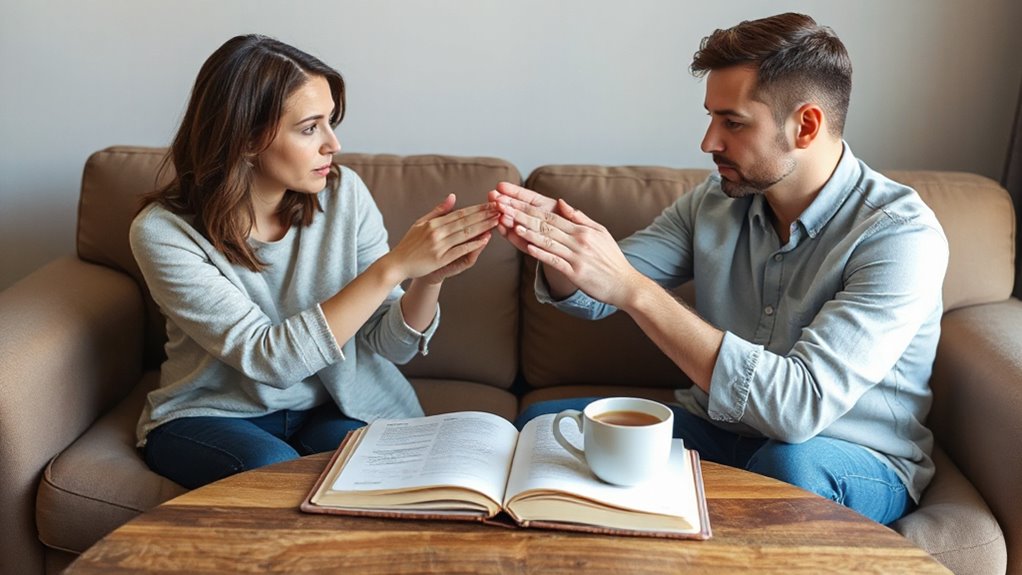

Love bombing is a manipulation tactic where someone drowns their target in excessive affection, compliments, and attention to create rapid emotional dependency. Red flags include relentless texting, over-the-top praise that feels unreal, premature promises about the future, and expensive gifts early in the relationship. This overwhelming rush hijacks the brain’s reward system, making victims addicted to the attention while lowering their guard against controlling behavior that follows this fake honeymoon phase.
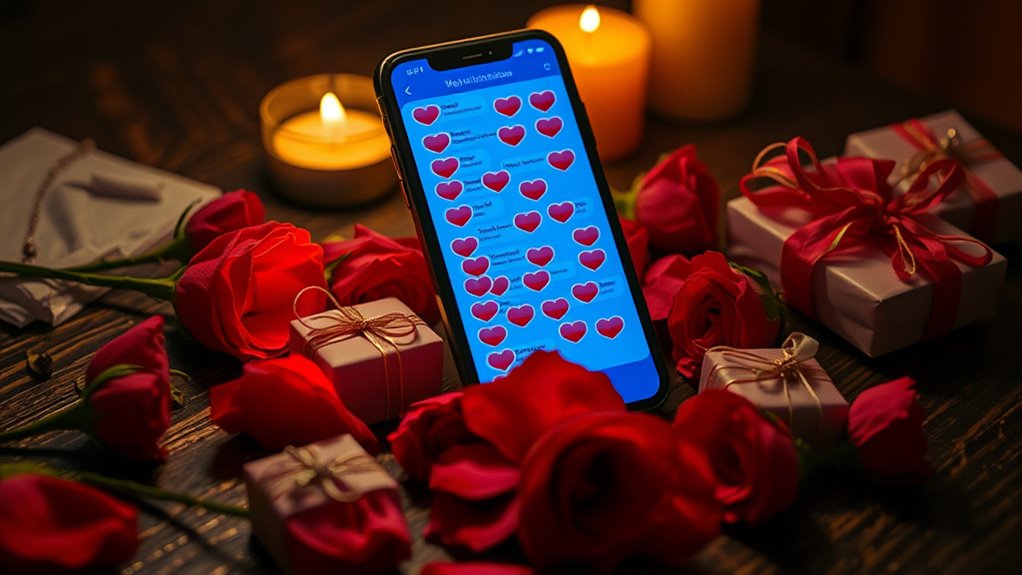
When someone showers you with overwhelming attention, constant texts, expensive gifts, and promises of forever after just a few dates, your gut might be trying to tell you something important. This behavior has a name: love bombing. It’s a psychological manipulation tactic that uses excessive affection to control and exploit another person.
Love bombing works by hijacking your brain’s reward system. The constant praise, gifts, and attention create a powerful emotional bond that feels intoxicating—and that’s exactly the point. Manipulators use this technique to rapidly develop closeness and dependency, making you emotionally invested before you can think clearly about red flags. Building genuine relationships, in contrast, involves authentic connections that develop naturally over time.
Love bombing hijacks your brain’s reward system, creating intoxicating emotional bonds that make you vulnerable before you spot the red flags.
The signs are often obvious once you know what to look for. Relentless communication that demands immediate responses. Over-the-top compliments that feel too good to be true. Future promises that seem premature. Gift-giving that feels excessive for how long you’ve known each other. These tactics are designed to lower your guard and make you feel special.
But here’s where things get ugly. Love bombers also employ guilt trips, play victim when they don’t get their way, and issue ultimatums to control your behavior. Show interest in friends, hobbies, or anything outside the relationship? Expect anger, passive-aggressive responses, or accusations that you’re being selfish.
The psychological impact can be devastating. Victims often experience damaged self-esteem, anxiety, confusion, and self-doubt. The manipulation makes you question your own judgment and reality. You’re left feeling powerless and dependent on someone who’s systematically undermining your mental health. This form of emotional abuse can cause loneliness and despair, leaving targets in frequent emotional distress.
Love bombing typically follows a predictable pattern: idealization, devaluation, and discard. First comes the intense attention and admiration. Then, when you fail to comply with demands, affection gets withdrawn and emotional abuse increases. Finally comes rejection or abandonment—though many love bombers cycle back to restart the process. Modern social media platforms can intensify these behaviors by enabling constant contact and communication throughout all phases.
Who does this? Often people with narcissistic traits, insecure attachment styles, or unresolved trauma. The behavior isn’t limited to romantic relationships either—cults, gangs, and scammers use identical techniques.
Trust your instincts. Healthy love develops gradually, respects boundaries, and doesn’t demand immediate total devotion. Real connection doesn’t require overwhelming you into submission.
Frequently Asked Questions
How Long Does the Love Bombing Phase Typically Last in Relationships?
The love bombing phase typically lasts four to six months, though it varies wildly between narcissists and situations.
Grandiose types rush through it faster, while malignant narcissists drag it out longer to secure deeper control.
Some survivors report as little as two weeks, others endure up to a year.
The phase ends abruptly once emotional dependency is established, leaving victims blindsided.
Can Love Bombing Happen in Friendships or Just Romantic Relationships?
Love bombing absolutely happens in friendships, not just romantic relationships. Manipulative friends use the same tactics—excessive compliments, overwhelming attention, rapid bonding—to create emotional dependency.
They’ll shower someone with affection, then withdraw it to maintain control. The signs are identical: guilt-tripping, demanding constant communication, and cycling between idealization and punishment.
Any close emotional bond can become a playground for manipulation.
What Should I Do if I Realize I’m Being Love Bombed?
Someone being love bombed should immediately create physical and emotional distance from the manipulator. They need to recognize those overwhelming feelings of confusion as normal responses to psychological abuse.
Setting firm boundaries around communication and time becomes vital—no more constant texting or surprise visits.
Reaching out to trusted friends, family, or mental health professionals provides essential support and perspective during recovery.
Is Love Bombing Always Intentional or Can It Be Unconscious Behavior?
Love bombing isn’t always intentional manipulation. Many people unconsciously repeat toxic patterns learned from childhood or act out anxious attachment styles.
Someone with narcissistic tendencies might genuinely believe their overwhelming behavior shows “real love.” However, impact matters more than intent—whether conscious or not, the controlling effects remain harmful.
Recognizing unconscious patterns doesn’t excuse the damage they cause.
How Do I Heal From the Trauma of Being Love Bombed?
Healing from love bombing trauma requires professional therapy to process the manipulation and rebuild self-worth. Victims should practice self-compassion, join support groups for validation, and learn to set firm boundaries.
Mindfulness techniques help manage anxiety and emotional dysregulation.
Long-term recovery involves identifying red flags, building strong support networks, developing assertiveness skills, and continuing counseling to address vulnerabilities that made them targets.