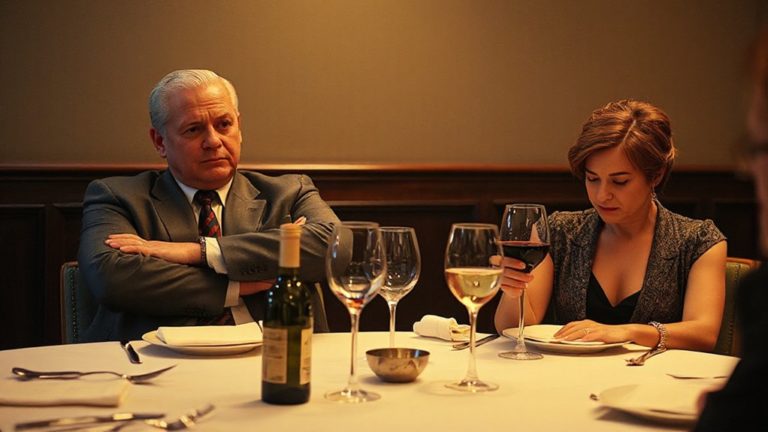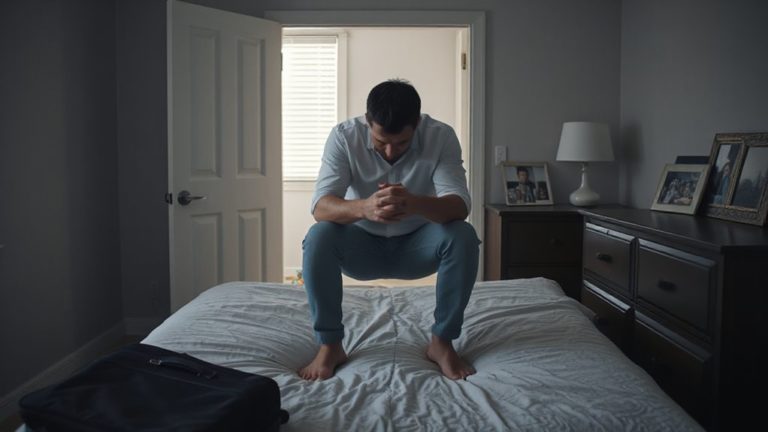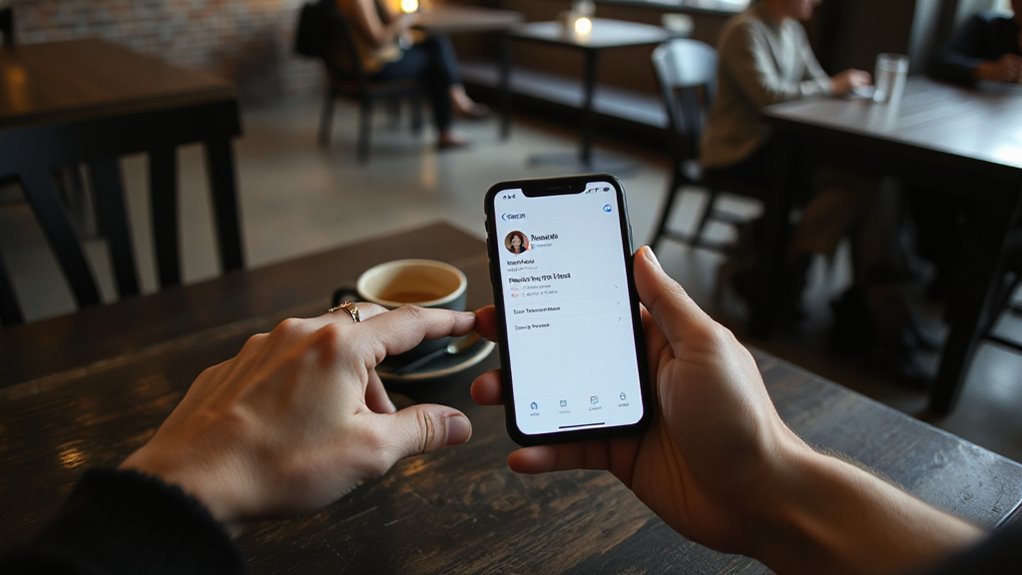
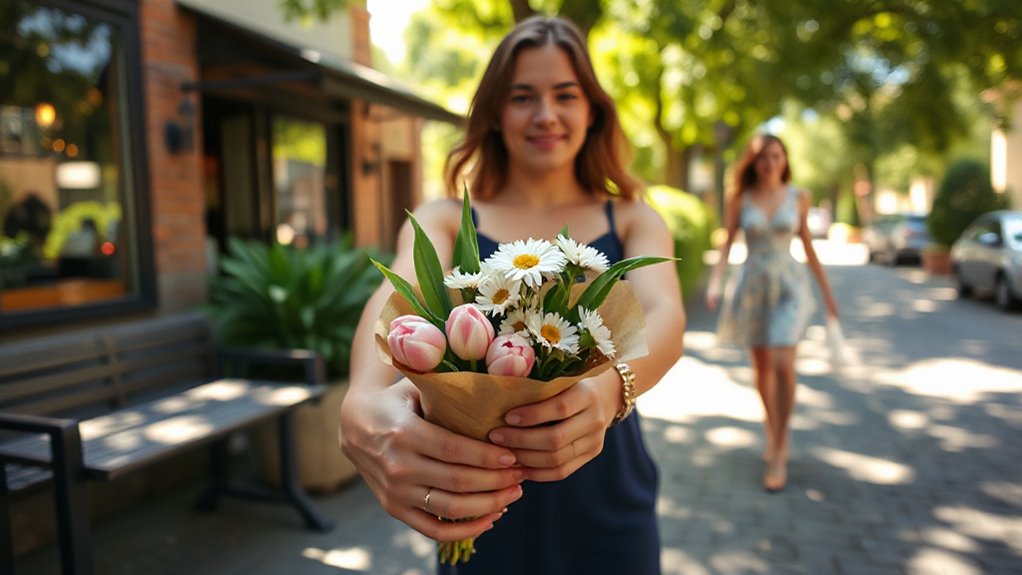

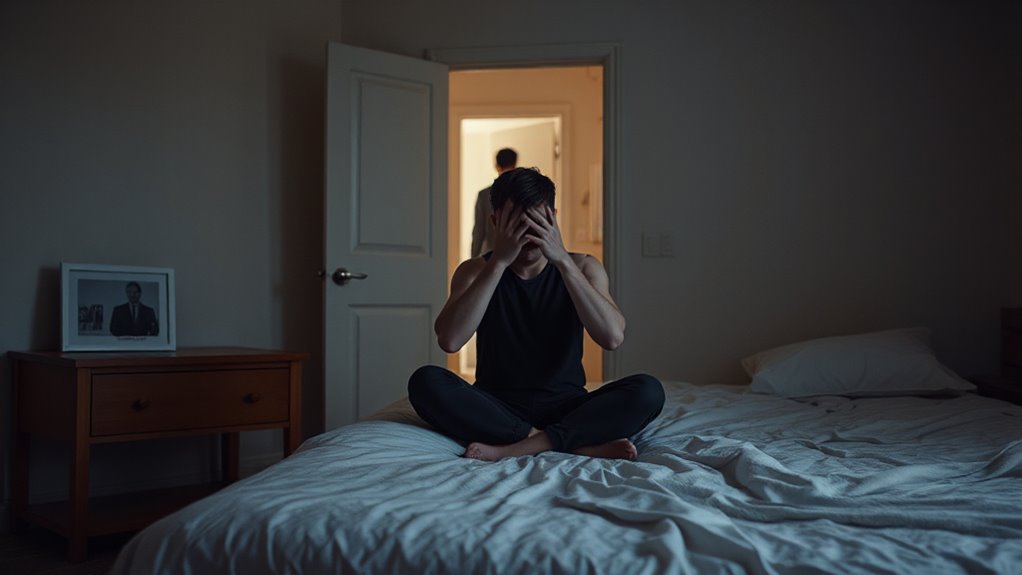
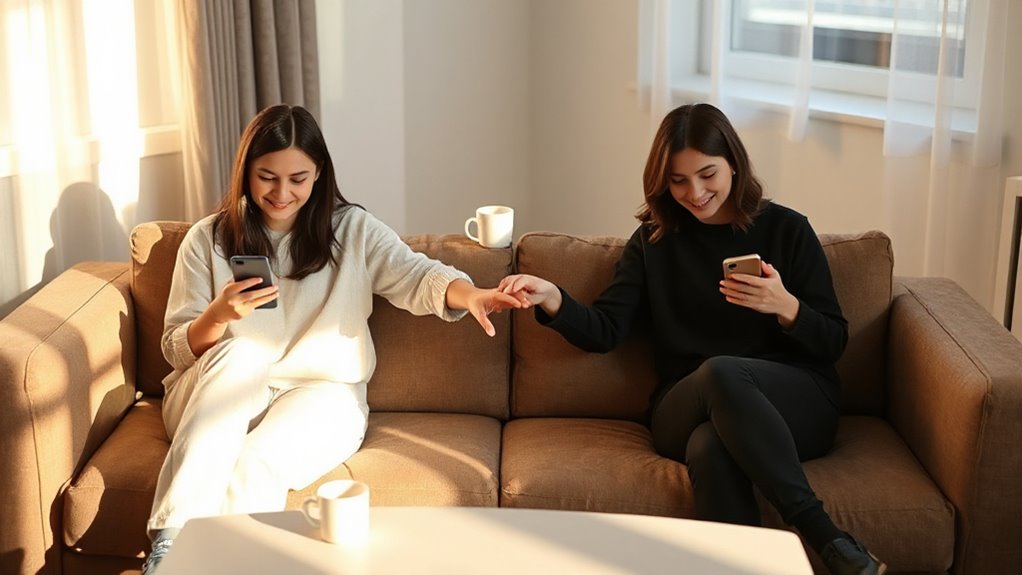
An open relationship means two people agree to stay together while having sex with other partners. It’s not about finding multiple loves—that’s polyamory. This is purely about sexual variety with clear rules and boundaries. Success requires brutal honesty, constant communication, and rock-solid trust between the primary partners. Jealousy happens, but it’s manageable if both people can talk openly about their feelings. The arrangement demands serious emotional maturity to navigate the inevitable complications ahead.
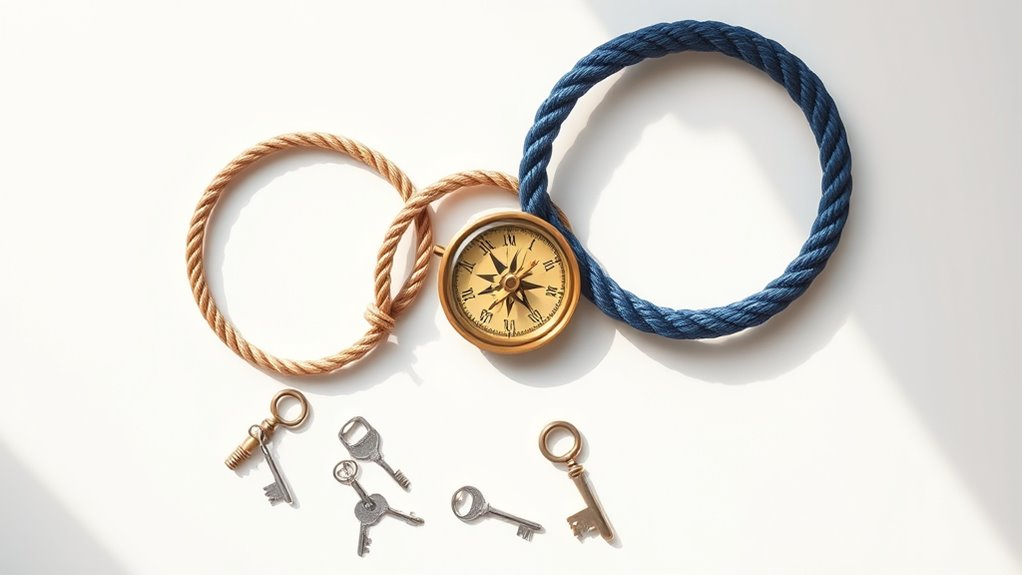
Open relationships aren’t some trendy new invention—they’re just what happens when couples decide to be brutally honest about wanting more than one person in their bed. At its core, an open relationship means two people agree to let each other hook up with other people while maintaining their primary bond. Think of it as controlled chaos with clear rules.
The key difference between open relationships and polyamory? Open relationships typically focus on sexual freedom rather than building multiple committed love connections. You’re not looking for three boyfriends—you’re looking for variety while keeping your main person as your main person.
Open relationships prioritize sexual variety over emotional multiplicity—you want experiences, not extra boyfriends.
Communication isn’t optional here; it’s survival. Partners need to talk constantly about boundaries, feelings, and what’s working or falling apart. Jealousy will show up uninvited, but couples who make this work learn to manage it rather than pretend it doesn’t exist. No judgment, just honest conversations about the messy stuff.
Why do people choose this path? Sometimes it’s mismatched sex drives. Sometimes it’s craving new experiences without torching their primary relationship. Others want intellectual or emotional connections their partner can’t provide. Some couples maintain relationships for practical reasons while seeking passion elsewhere. Online dating can sometimes facilitate finding outside connections that fit these needs by offering a wider pool of potential matches.
Success requires unshakeable trust and rock-solid communication skills. Both partners need clearly defined boundaries that actually mean something, not wishy-washy suggestions they’ll ignore when things get complicated. Time management becomes critical—balancing your main relationship with outside connections takes real planning.
The variations are endless. Some couples stick to purely physical encounters with zero emotional involvement. Others allow deeper connections that blur into polyamory territory. “Monogamish” couples mostly stay faithful but permit occasional adventures. Each couple designs their own version based on what they can actually handle, not what sounds exciting in theory.
Research shows open relationships can work, but they’re not easier than monogamy—they’re different kinds of difficult. Success depends on both partners genuinely wanting this arrangement, not one person reluctantly agreeing to keep the other happy. Honesty about motivations matters more than good intentions. Studies show that open relationships have a neutral impact on divorce rates compared to traditional monogamous marriages. Interest in open relationships is highest among Millennials at 41%, significantly outpacing other generations.
Frequently Asked Questions
How Do I Bring up Wanting an Open Relationship With My Partner?
Pick a calm moment when you’re both relaxed, not stressed or fighting. Start with something like “I’ve been thinking about our relationship and want to explore some ideas with you.”
Frame it as curiosity, not a demand. Use “I” statements about your feelings, not accusations about what’s missing.
Be ready to listen, answer questions, and accept whatever their response is.
What’s the Difference Between an Open Relationship and Polyamory?
Open relationships focus on sexual freedom while keeping emotional commitment exclusive to the primary couple.
Polyamory involves multiple deep, romantic relationships simultaneously—it’s about love, not just sex.
Think of open relationships as “we can hook up with others but stay emotionally faithful to each other.”
Polyamory says “we can fall in love with multiple people and build meaningful relationships with all of them.”
How Do You Handle Jealousy in an Open Relationship?
People handle jealousy by treating it like a messenger, not an enemy. They communicate openly when those feelings hit, set clear personal boundaries, and practice mindful responses instead of losing their minds.
The trick is reframing jealousy with curiosity—asking what it’s really telling them about their needs.
They focus on their partner’s capacity for love rather than viewing other relationships as threats.
What Boundaries Should Couples Establish Before Opening Their Relationship?
Couples need four key boundary categories before opening up. First, sexual rules—what activities, how often, protection requirements, and off-limits partners like coworkers.
Second, emotional limits on romantic involvement and jealousy handling.
Third, communication agreements about disclosure levels and ongoing check-ins.
Fourth, practical stuff like overnight stays and time allocation.
Start conservative—you can always loosen boundaries later, but tightening them after someone gets hurt? Much harder.
Can an Open Relationship Save a Struggling Monogamous Relationship?
Usually not. Opening a struggling relationship typically creates more problems, not fewer. The research shows one-sided arrangements fail spectacularly—60% dissatisfaction rates.
Even consensual open relationships demand excellent communication and trust, which struggling couples lack. It’s like trying to fix a leaky roof during a hurricane.
Better to address the core issues first, then consider opening later.