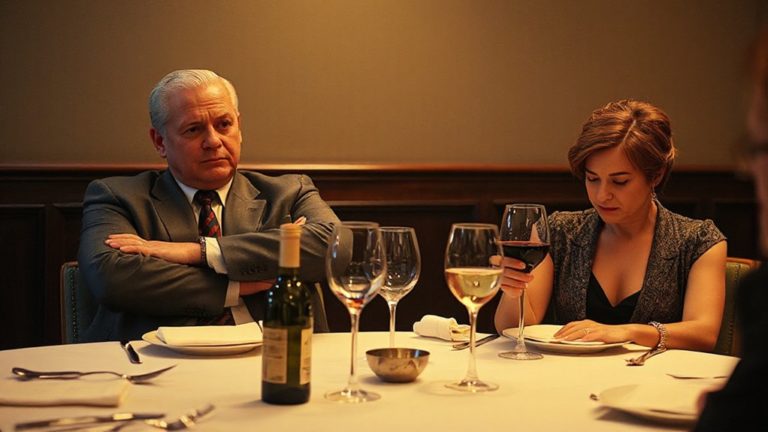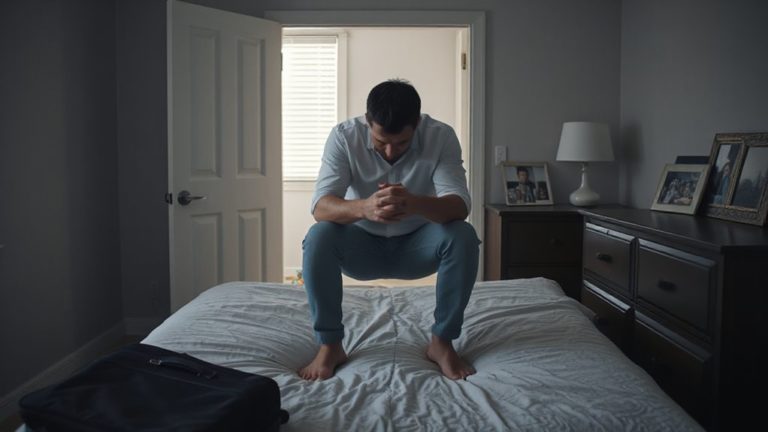



Why do men suddenly vanish from relationships that seemed to be going well? The answer isn’t what most people think. It’s not about commitment phobia or fear of love. It’s about something much more basic—and much more overlooked.
Men leave when they feel invisible. They walk away when their efforts go unnoticed, when appreciation becomes extinct, and when emotional connection dies a slow death. That surprise departure? It wasn’t sudden at all. It was months in the making. Studies show that demonstrating genuine interest from the start significantly increases emotional engagement.
That shocking breakup wasn’t sudden—it was the final act of a slow fade that started months earlier.
Here’s what actually happens: A man plans dates, offers support, helps with daily tasks. He gets a grunt of acknowledgment—maybe. Meanwhile, he’s watching physical affection disappear. No hand-holding. Minimal kissing. Flirtation becomes a memory. To him, this registers as rejection. Pure and simple.
The emotional labor gets lopsided fast. He’s initiating conversations, apologizing for conflicts he didn’t start, and carrying the relationship’s emotional weight. She’s checked out, assuming he’ll just handle everything. This breeds resentment that hardens over time.
Men desire to be seen, heard, and truly known within partnerships. When that stops happening, they don’t stick around to beg for scraps. They retreat to protect their self-worth. Smart move, honestly.
Physical intimacy serves as a primary emotional connection method for many men. When it vanishes, so does their sense of being valued. They interpret this as fundamental rejection of who they are. Repeated rejection makes them emotionally unavailable—first as protection, then as preparation for departure.
Past trauma amplifies everything. Men who’ve survived toxic relationships or messy divorces develop hair-trigger exit strategies. They’d rather leave early than get destroyed later. Can you blame them?
Life instability plays a role too. Career pressure, financial stress, personal setbacks—these create withdrawal patterns. Many men won’t commit until they’ve built a solid foundation. They see relationship investment as premature when everything else is chaos. Men often don’t know how to ask for emotional space when they need time to process overwhelming feelings internally.
The overlooked truth? Most men don’t leave because they’re afraid of love. They leave because they’re starving for appreciation, drowning in unbalanced emotional labor, and tired of feeling invisible. Recognition and genuine affection aren’t optional relationship features. They’re essential fuel that keeps men engaged and committed. Digital public shaming through social media venting about relationship problems only accelerates their emotional withdrawal and resentment.