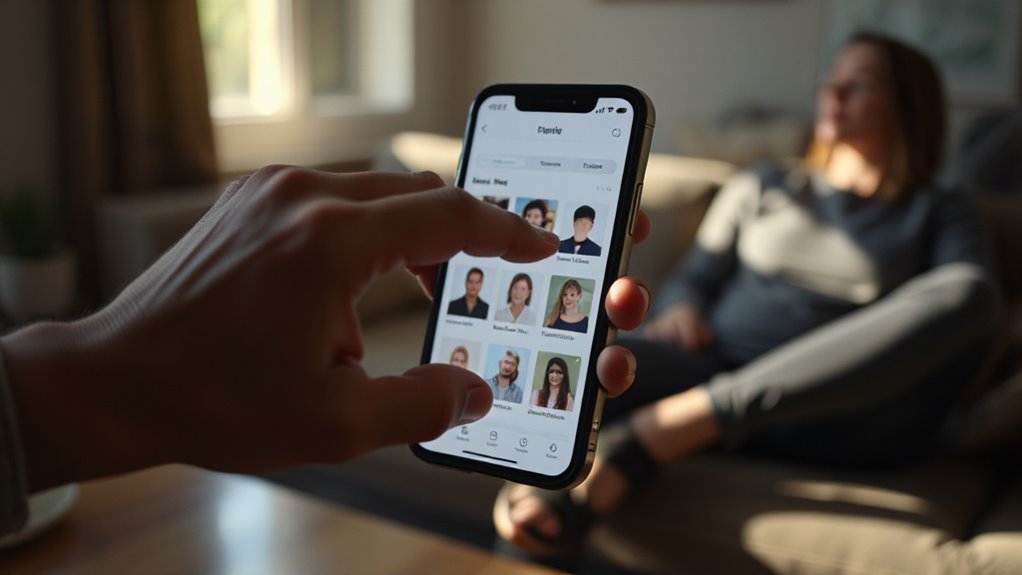



Most men using dating apps aren’t getting matches, and it’s wrecking their confidence in ways that go far beyond a bruised ego. The numbers tell a brutal story: 64% of men who used dating apps in the past year felt insecure about the lack of messages they received. Meanwhile, women face the opposite problem—54% feel overwhelmed by options, compared to just 25% of men. This isn’t a minor frustration. It’s a fundamental imbalance that’s making men feel like the system is rigged against them.
The emotional toll is real and measurable. Men report anxiety from endlessly crafting clever openers that go nowhere. They compete with thousands of profiles while feeling utterly invisible. Some describe “Tinder PTSD”—actual dread when reopening apps after repeated bad experiences. Feelings of insignificance and unworthiness become the norm. And because societal norms still discourage men from discussing emotions openly, the isolation deepens. Use precautions like keeping conversations on the app at first to protect yourself and reduce pressure from early contact safety practices.
This isn’t happening in a vacuum. Sixty percent of American men under 30 are single. Nearly half of men under 30 report no sex in the past year. Young men today are more digitally connected yet more physically isolated than any generation before them. Time men spent with friends has halved in the last 20 years. Record numbers of 40-year-olds have never married. Dating overall is declining nationally. Many college-educated young men report never having dated or hooked up during college.
Dating apps were supposed to solve the problem of meeting people, but they’ve created new problems. Most people hate using them. Increasing numbers view them as unsafe. Men accumulate negative experiences—scant matches, one-sided communication, emotional fatigue—until quitting feels like the only option. The effort stops feeling worth it. About 1.4 million people left online dating in the UK in 2023–24, a 16% decline in dating app usage.
Modern lifestyles don’t help. Video games, pornography, and social media offer easy dopamine hits that replace the pursuit of actual partners. Technology reduces how often men meet women in real life. Many settle for mediocre results or dates beneath their standards simply because they lack better solutions.
Young men show higher fear of conflict and slower recovery from rejection. Reduced resilience, elevated anxiety, and depression rates compound the problem. When effort produces no results, mental health suffers. Failures accumulate. The belief takes root: maybe I’m just deficient.