



Staying quiet sounds passive, maybe even weak, but silence rewires the brain in ways most people never consider. After just three days of intentional silence, the brain physically changes, shifting from fast beta waves to slower alpha and theta waves linked to calm, focus, and creativity. That’s comparable to months of meditation or cognitive training, compressed into 72 hours. The emotional centers communicate better too, detecting stress with sharper clarity and responding with steadier moods that last weeks after the silent period ends.
Three days of intentional silence rewires your brain as effectively as months of meditation, shifting brain waves toward calm and creative states.
The cognitive benefits hit hard and fast. Working memory improves, making recall easier and problem-solving faster. Older adults in clinical trials showed delayed cognitive impairment, a serious win against mental decline. Even fifteen minutes of solitude in silence promotes self-regulation and reduces arousal. The brain reallocates resources through something called cross-modal plasticity, which sounds technical but means this: when one sense rests, others sharpen. Vision, taste, smell, and touch all improve, confirmed by standardized testing. Silence creates space for self-reflection and daydreaming, activating multiple brain regions at once. Rebuilding social supports and practicing self-care can help integrate these gains into daily life, especially after difficult relational experiences support networks.
Stress reduction happens faster than most people expect. Two minutes of silence produces greater relaxation than soothing music. Cortisol drops, heart rate slows, blood pressure falls. The nervous system shifts into repair mode, activating the parasympathetic response to counter constant fight-or-flight overload. The immune system gets a boost, and arterial plaque formation slows. People exposed to chronic noise see the most pronounced effects, suggesting the loudest lives gain the most from going quiet. Two hours of quiet per day, broken into mornings, breaks, and evenings, produces measurable cognitive effects without requiring extended retreats.
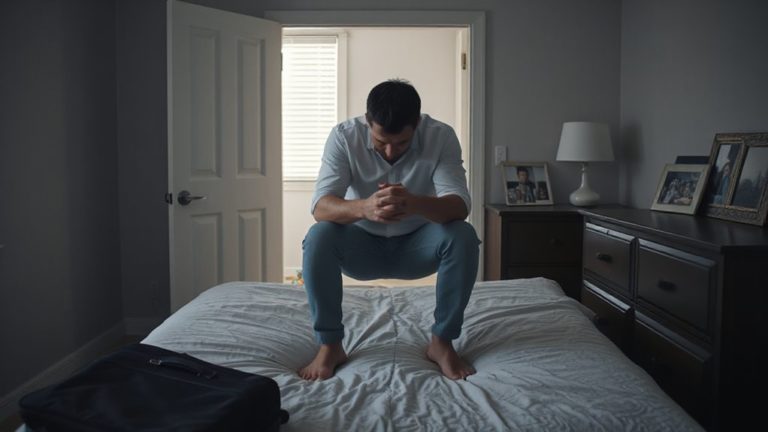
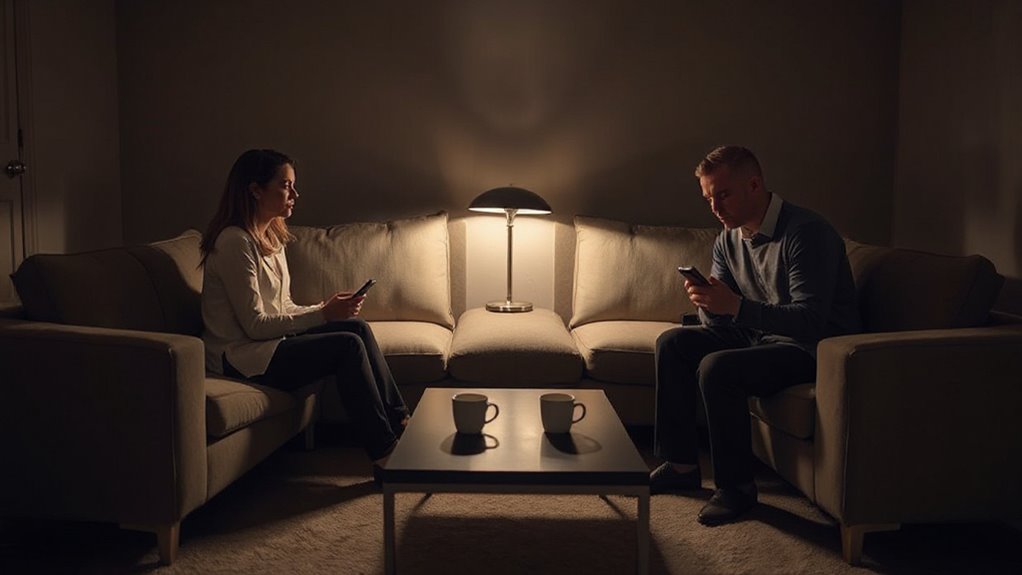
But silence carries risks. Self-silencing in adolescents links to unhappiness, stress, loneliness, and diminished self-worth. Social anxiety, headaches, sleep disturbances, depression, and frustration all correlate with forced or fearful silence. Trauma survivors may experience selective mutism or avoidance behaviors. Silence functions as a communicative act, sometimes signaling respect and harmony, other times wielding disapproval or punishment. Silence operates as multidimensional and fluid, functioning simultaneously as deliberate resistance, contemplation, politeness, or emotional regulation depending on context.
The takeaway? Intentional silence heals. Forced silence harms. The difference matters. Choose quiet deliberately, not out of fear or obligation, and the brain responds with clarity, resilience, and sharpened senses that last long after the noise returns.