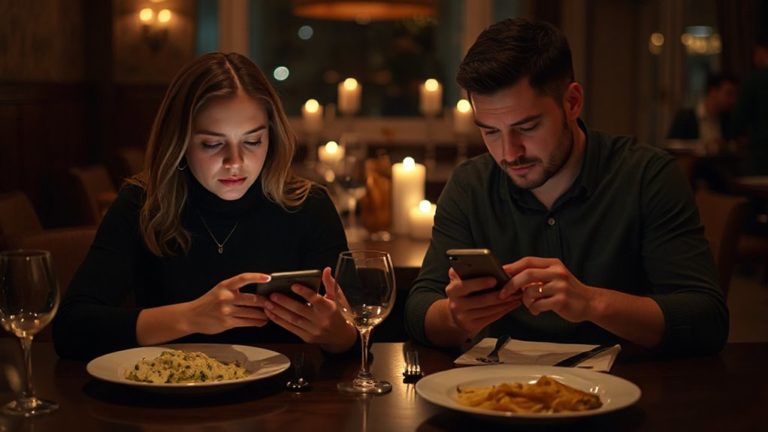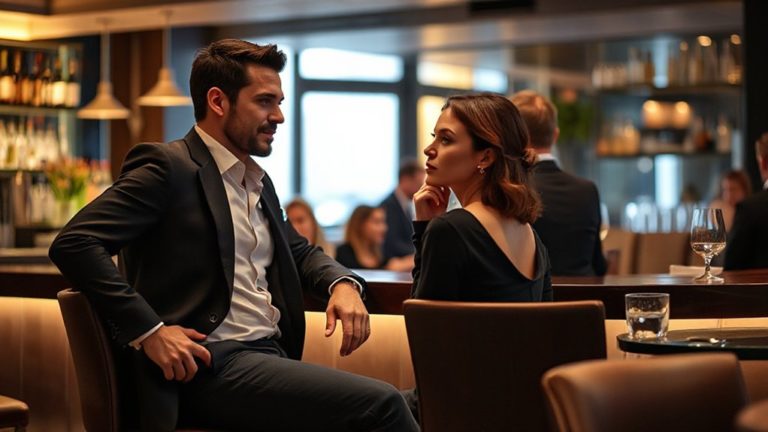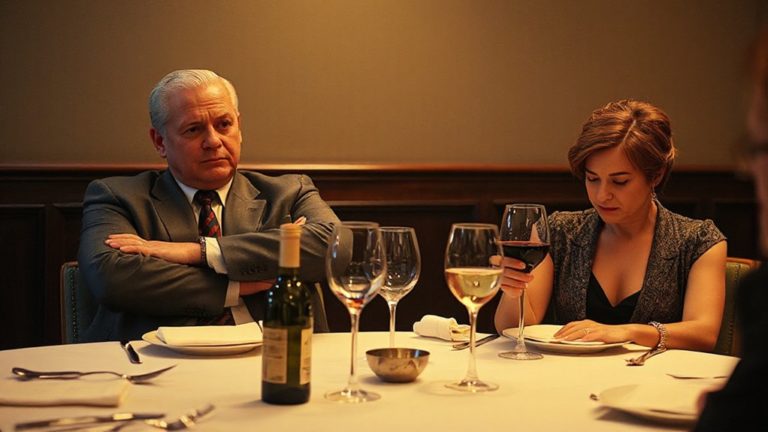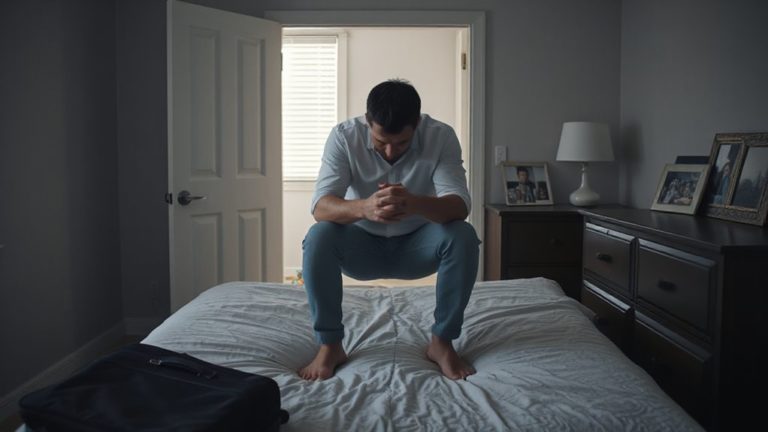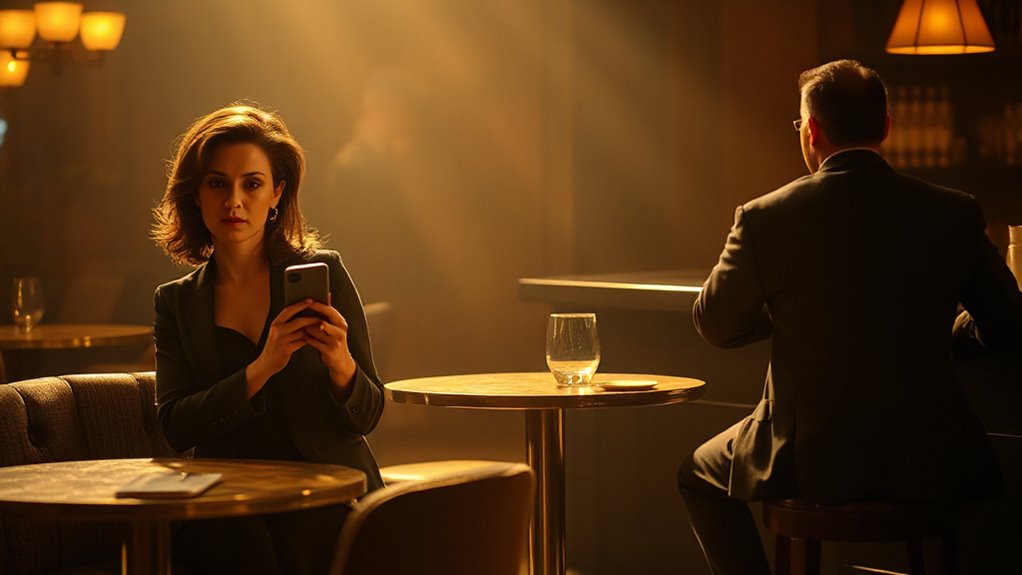



Dating rejection stings, there’s no getting around it. About 87% of single adults admit they fear it, and 65% say past rejections have knocked their self-esteem down a peg. But here’s the kicker: how you handle rejection determines whether you grow or shrink.
Rejection hurts everyone, but your response to it separates those who evolve from those who retreat.
The problem starts when rejection sensitivity takes over. Research shows it correlates with decreased relationship satisfaction and higher negative feelings overall. Worse, 43% of people with rejection fear simply avoid dating opportunities altogether, while 29% actively sabotage promising relationships before anyone can hurt them first. That’s not protection, that’s self-destruction.
Online dating makes this messier. Unlimited options create what researchers call a “rejection mind-set.” After scrolling through 50 profiles, acceptance rates plummet from 26% to just 12.4%. Satisfaction with potential matches nosedives from 70.56 to 25.21. People become pickier, more critical, more likely to say no. The break point hits around the 31st profile for women, 34th for men, then the decline steepens fast. Everyone starts looking flawed when you’re drowning in choices.
But here’s something useful: online rejection actually feels less significant than face-to-face rejection. People report indifference to being passed over online, and rejection sensitivity doesn’t seem to amplify negative emotions in those digital interactions the way it does in person. Online platforms also let people express their true selves more freely, which buffers some of the sting. Digital interactions can provide an emotional buffer and more control over pacing, which helps some people recover faster from rejection emotional buffers.
Still, recovery matters more than the hit itself. Those with higher rejection sensitivity before dating showed slower recovery afterward. The pattern is clear: if you walk in expecting rejection, you’ll struggle to bounce back when it happens. Keeping emotional distance becomes a go-to strategy to avoid the pain of rejection, but this self-protective approach costs you genuine intimacy and connection. For many, the roots trace back to childhood or adolescence, where early painful rejections leave lasting scars that shape how they approach dating as adults.